Laser cutting tool
Laser cutting tools, essential in modern manufacturing, provide unmatched accuracy, speed, and flexibility across various industries and applications.
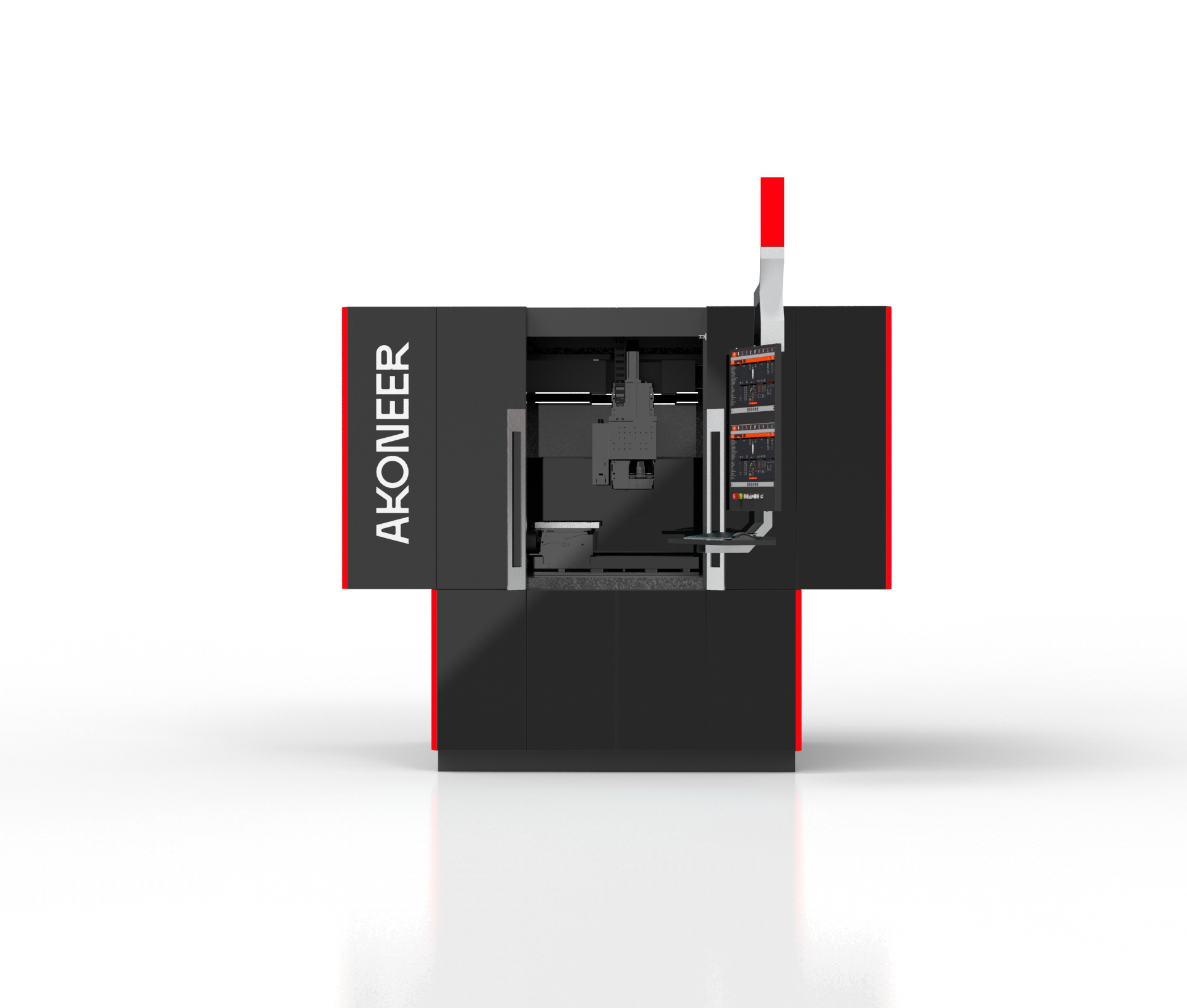
The laser cutting tool has revolutionized the manufacturing industry, providing precision, speed, and versatility that traditional cutting methods cannot match. This article delves into the technology, applications, benefits, and considerations of laser cutting tools, offering insights into why they have become an essential component in modern manufacturing processes.
Understanding laser cutting technology
Laser cutting tools utilize a high-powered laser beam to cut materials with extreme accuracy. The laser generates intense heat that melts, burns, or vaporizes the material along a defined path. Three primary types of lasers are used in cutting: CO2 lasers, fiber lasers, and Nd:YAG lasers. CO2 lasers are commonly used for non-metal materials such as wood and acrylic. Fiber lasers, offering power ranges from 2 to 6 kW, are suitable for cutting metals and are known for their efficiency and precision. Nd:YAG lasers are often used for drilling and engraving applications. Each type has its strengths and is selected based on the material and desired outcome.
The process begins with a computer-aided design (CAD) file that guides the laser's path. This digital approach allows for intricate designs to be executed with minimal material waste. The laser cutting tool is controlled by a computer numerical control (CNC) system, ensuring consistent and repeatable results with a repeatability of ±0.02 mm. This technological framework has made laser cutting a preferred choice in industries where precision is paramount, such as aerospace, automotive, and electronics.
Applications in various industries
Laser cutting tools are employed across a wide range of industries due to their versatility. In the automotive sector, they manufacture complex parts with high precision. The aerospace industry relies on laser cutting for components that require exact tolerances and intricate designs. In the electronics industry, laser tools are essential for cutting small, precise parts used in devices like smartphones and computers.
The architectural and construction industries benefit from laser cutting for creating detailed metal and glass components. The ability to cut custom shapes and designs allows for innovative architectural solutions. Additionally, the medical field uses laser cutting to produce surgical instruments and implants with exact specifications. For instance, Tesla utilizes laser cutting in its Gigafactory to produce components with a kerf of approximately 0.1 mm, enhancing production efficiency and reducing waste. The adaptability of laser cutting tools to different materials and designs makes them invaluable in these diverse applications.
Benefits of laser cutting tools
One of the primary advantages of laser cutting tools is the precision they offer. The ability to cut materials with accuracy down to fractions of a millimeter ensures that parts fit together perfectly, reducing the need for additional processing. This precision is accompanied by high cutting speeds, reaching up to 30 m min⁻¹, which increases production efficiency and reduces lead times.
Laser cutting also provides a high degree of flexibility. The same machine can cut a variety of materials, including metals, plastics, and composites, without needing retooling. This adaptability reduces downtime and allows manufacturers to switch between different projects seamlessly.
Another significant benefit is the quality of the cut edges. Laser cutting produces clean edges with minimal burrs, reducing the need for secondary finishing processes. This not only saves time but also reduces costs associated with additional labor and materials.
Considerations and challenges
While laser cutting tools offer numerous benefits, there are considerations and challenges associated with their use. The initial investment in laser cutting equipment can be substantial, particularly for high-powered lasers used in industrial applications. Additionally, operating and maintaining these machines require skilled technicians to ensure optimal performance and safety.
Material thickness can also be a limitation for some laser cutting tools. While they excel in cutting thin to medium-thickness materials, such as steel up to 20 mm thick, very thick materials may require alternative cutting methods. Additionally, reflective materials like copper and brass can pose challenges due to their ability to reflect the laser beam, potentially affecting the quality of the cut.
Safety is another critical consideration. The intense light and heat generated by the laser can pose risks to operators if not properly managed. Protective measures, such as appropriate shielding and eye protection, are essential to ensure a safe working environment. Regular maintenance of the equipment is also vital to prevent malfunctions and ensure consistent performance.
Future prospects and innovations
The future of laser cutting tools appears promising, driven by continuous advancements in technology. Developments in laser power and control systems are expected to enhance the capabilities and efficiency of laser cutting tools. Innovations in software and automation may further streamline the cutting process, allowing for even more complex designs to be executed with ease.
Environmental considerations are also likely to influence the evolution of laser cutting technology. As industries strive to reduce their carbon footprint, the demand for energy-efficient laser systems is expected to grow. New materials and cutting techniques that minimize waste will also be a focus of future innovations.
Overall, laser cutting tools have transformed manufacturing by offering unparalleled precision, speed, and versatility. As technology continues to advance, these tools will likely become even more integral to a wide range of industries.