Laser cutting titanium
Laser cutting enhances the efficiency and adaptability of titanium manufacturing across aerospace, medical, and automotive industries.
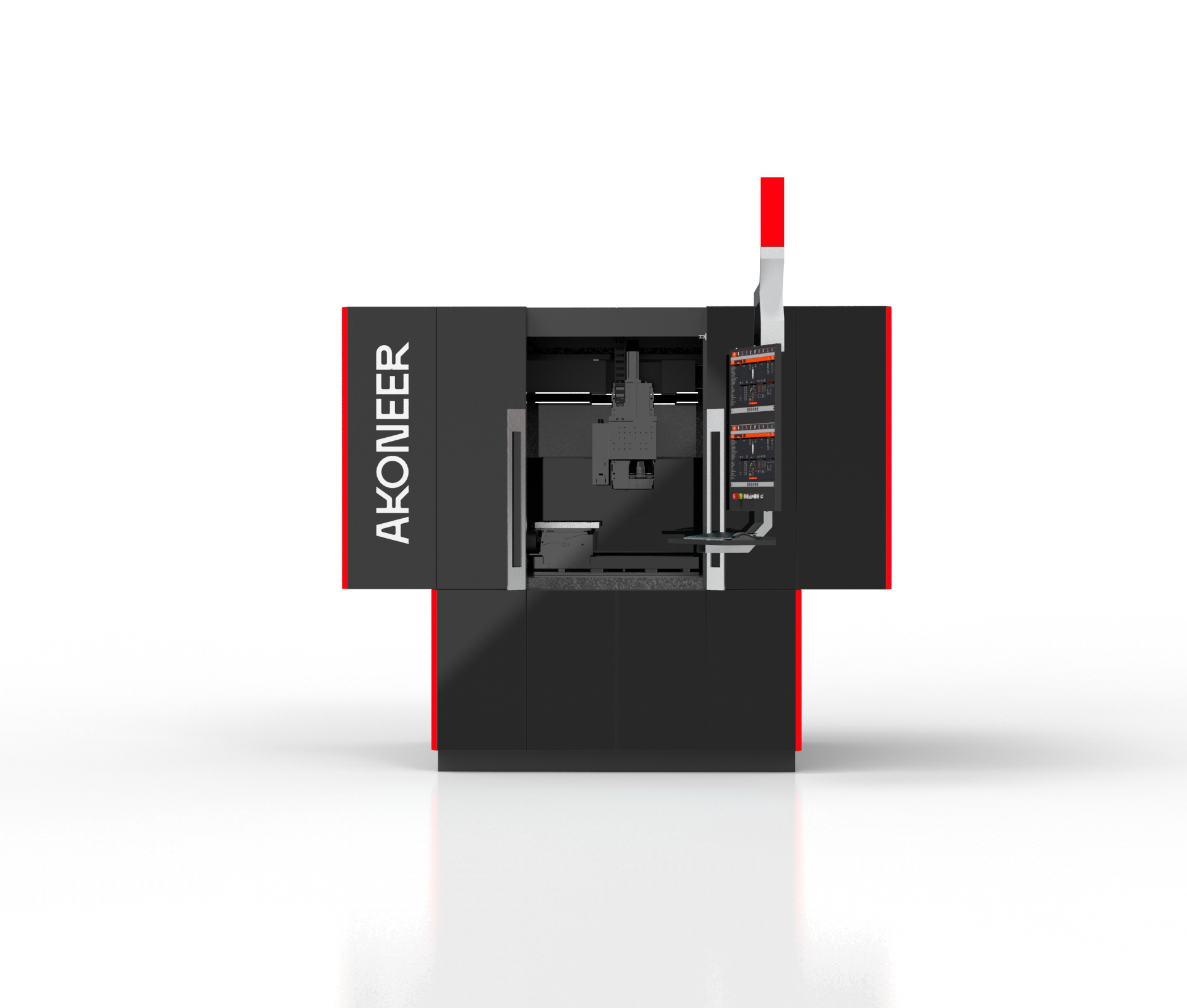
In the world of modern manufacturing, laser cutting has transformed the way materials are shaped and tailored. Titanium, known for its strength, lightweight nature, and resistance to corrosion, is one of the most notable materials to benefit from this technology. Used in industries from aerospace to medical devices, titanium presents unique challenges due to its physical properties. Laser cutting provides a solution that combines precision and efficiency, making it a preferred method for working with this versatile metal.
The properties of titanium
Titanium is as strong as steel but significantly lighter, making it ideal for applications where weight is a concern. Its high melting point and excellent corrosion resistance make it suitable for harsh environments, yet these properties can complicate cutting with traditional methods. Conventional techniques often result in tool wear, material waste, or reduced quality. Laser cutting addresses these issues by using a focused beam of light to cut through titanium with minimal contact, reducing wear and extending tool life.
How laser cutting works
Laser cutting employs a high-powered laser beam, typically ranging from 2 to 6 kW, directed through optics to cut materials precisely. The laser generates a concentrated light beam that is amplified and focused on the titanium surface, heating it beyond its melting point for a clean cut. Controlled by a computer numerical control (CNC) system, the process ensures accuracy and consistency. It allows for intricate designs and complex shapes to be cut with high precision, achieving a kerf of approximately 0.1 mm and repeatability of ±0.02 mm, making it ideal for industries that demand tight tolerances and detailed work.
Advantages of laser cutting titanium
Laser cutting offers numerous advantages over traditional methods for working with titanium. It achieves narrow kerfs and smooth edges, reducing the need for secondary finishing. This precision maximizes material usage, lowering costs. The non-contact nature minimizes mechanical stress, preserving structural integrity. The process can be adapted for different thicknesses and grades of titanium, enhancing its applicability across various sectors. For instance, Boeing integrates laser cutting in its aerospace components, achieving a 20% reduction in material waste and a 15% increase in production speed.
Industrial applications
The aerospace industry is a primary beneficiary of laser cutting technology, as titanium's strength-to-weight ratio is ideal for aircraft components. Laser cutting allows the precise fabrication of complex parts like engine components and structural elements. In the medical field, titanium's biocompatibility makes it suitable for implants and surgical instruments, where laser cutting provides the precision necessary for customization. The automotive industry uses laser cutting for manufacturing lightweight parts that contribute to fuel efficiency. These applications highlight the versatility of laser cutting in meeting diverse industry demands.
Challenges and considerations
While laser cutting titanium offers many benefits, challenges remain. Titanium's reflective surface can affect laser efficiency, requiring power and speed adjustments for optimal results. The process generates heat, which can lead to thermal distortion if not carefully managed. Adequate cooling and ventilation are crucial to prevent overheating and ensure clean cuts. Setting up laser cutting systems can be costly, but the long-term benefits of reduced waste, increased precision, and versatility often outweigh these initial investments.
Future trends in laser cutting technology
As technology advances, the capabilities of laser cutting systems continue to expand. Innovations such as fiber lasers, which offer higher efficiency and faster processing speeds, are becoming increasingly popular. Developments in automation and artificial intelligence are enhancing precision and efficiency. These advancements are likely to increase the adoption of laser cutting for titanium and other challenging materials. As industries demand more complex and precise components, laser cutting is poised to play a critical role in meeting these needs.
Laser cutting titanium is a sophisticated process offering significant advantages in precision, efficiency, and versatility. By addressing the challenges of working with titanium, laser cutting has become invaluable in industries such as aerospace, medical, and automotive manufacturing. As technology evolves, the potential for laser cutting to revolutionize manufacturing processes and expand its applications will only grow. Manufacturers embracing these advancements will be well-equipped to meet modern production demands and maintain a competitive edge in their fields.