Laser cutting tempered glass
Laser cutting of tempered glass presents unique challenges and opportunities due to its strength and safety features.
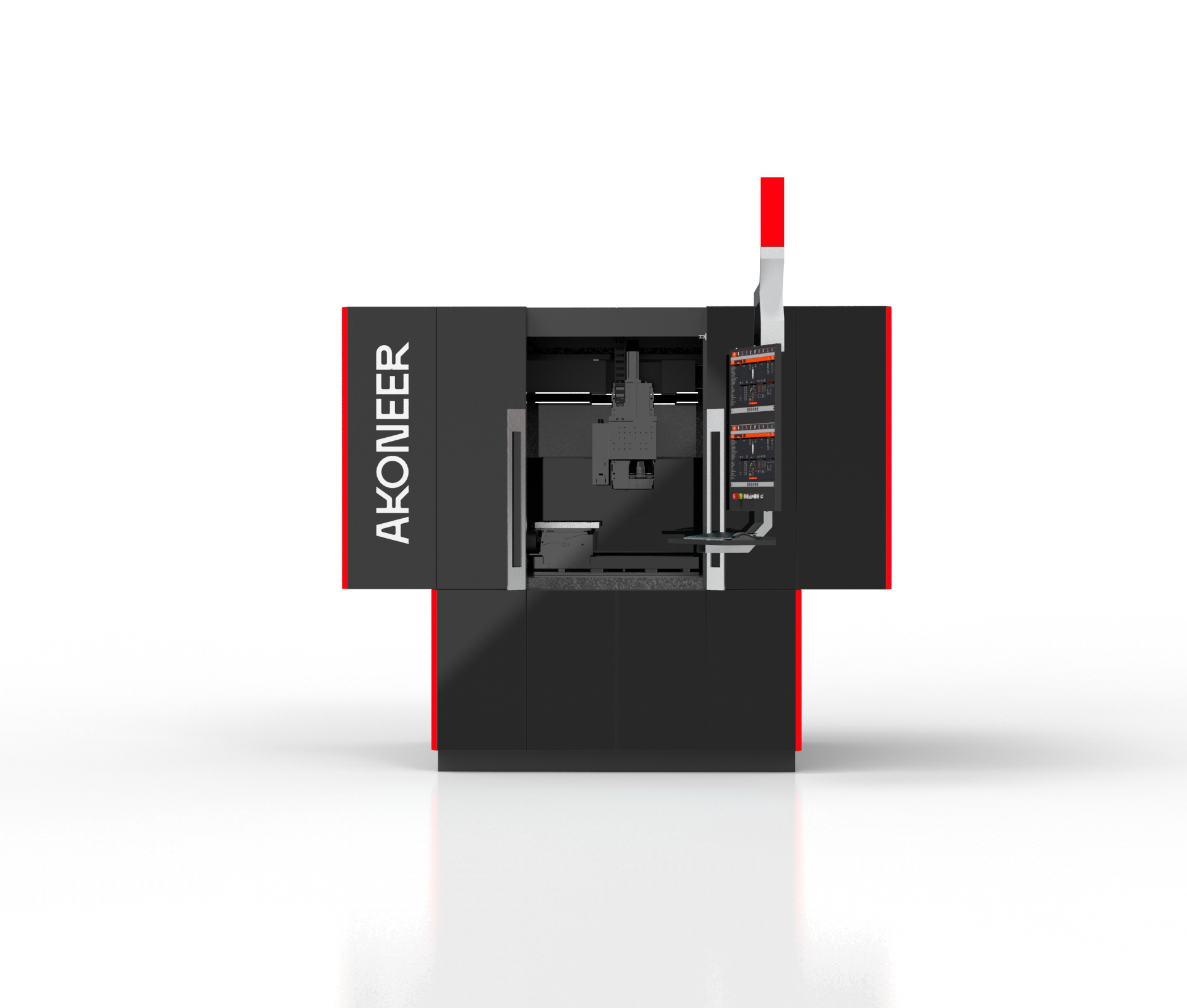
The process of laser cutting tempered glass has gained significant attention due to its challenges and opportunities. Tempered glass, renowned for its strength and safety features, poses unique difficulties when cutting. Understanding these challenges and the technology involved provides valuable insights for industries reliant on precision and efficiency.
Understanding tempered glass
Tempered glass is a type of safety glass processed through controlled thermal or chemical treatments, enhancing its strength compared to normal glass. The outer surfaces are compressed, while the inner surfaces are in tension, making it four to five times stronger than untreated glass. When broken, tempered glass shatters into small, blunt pieces, reducing injury risk. Widely used in automotive windows, shower doors, and architectural elements, its durability and safety features make it ideal for environments prioritizing human safety.
Challenges in laser cutting
While laser cutting offers precision and efficiency, tempered glass presents specific challenges due to its inherent properties. Internal stresses that enhance strength can lead to cracking or shattering if cut improperly. Traditional cutting methods, like diamond wheels, often fail due to internal tension. The heat from a laser can cause rapid expansion and contraction, resulting in fractures. Therefore, precise control of laser intensity, speed, and focus is crucial. Even minute deviations can cause catastrophic failure, making the process complex and demanding.
Technological advances in laser cutting
Recent advancements have made laser cutting of tempered glass more feasible. Techniques such as controlled cooling, where a cooling agent rapidly cools heated areas, mitigate breakage risks. Modern laser machines incorporate sensors and feedback systems adjusting the laser's output in real-time, preserving the glass's integrity. Picosecond and femtosecond lasers, emitting extremely short energy bursts, minimize heat penetration and reduce thermal stress. These advancements allow for precise cuts without compromising structural integrity. For instance, the Swiss company Bystronic uses femtosecond lasers in its machines, achieving cutting speeds of up to 30 meters per minute, significantly enhancing productivity in glass manufacturing.
Applications and benefits
The capability to laser cut tempered glass opens numerous applications across various industries. In the automotive sector, it enables precise shaping of glass components to meet stringent safety and design criteria. In architecture, custom glass elements with intricate designs enhance aesthetic appeal while maintaining safety standards. The electronics industry benefits from laser cutting in producing glass covers and screens, where precision is paramount. The primary advantage is achieving high precision and intricate designs without damaging the material, offering significant time and cost savings.
Safety and environmental considerations
Safety is critical when working with lasers, especially when cutting tempered glass. Proper protective equipment, such as goggles and gloves, is essential to protect operators from laser exposure and glass shards. Ensuring laser machines have appropriate ventilation systems prevents inhalation of glass dust and fumes. Environmentally, laser cutting is cleaner than traditional methods, generating less waste material and reducing the need for harmful chemicals. This aligns with eco-friendly manufacturing practices. However, companies must implement proper disposal and recycling measures for any waste produced during the cutting process.
Future prospects and developments
The future of laser cutting tempered glass looks promising, with ongoing research and development aimed at overcoming current limitations. Enhanced laser technology, coupled with artificial intelligence, may enable machines to adapt to different glass compositions automatically, optimizing the cutting process further. As industries continue to demand materials that are both strong and aesthetically pleasing, efficiently cutting tempered glass will become increasingly valuable. Integrating laser cutting with other manufacturing processes, such as 3D printing and automated assembly, will likely expand possibilities, driving innovation and efficiency across sectors.
The field of laser cutting tempered glass is continuously evolving, shaped by technological advancements and industrial demands. Understanding the complexities involved and leveraging modern cutting techniques can significantly enhance tempered glass applications, ensuring both safety and efficiency across a wide range of industries.