Laser cutting technology
Laser cutting tools, essential in modern manufacturing, provide unmatched accuracy, speed, and flexibility across various industries and applications.
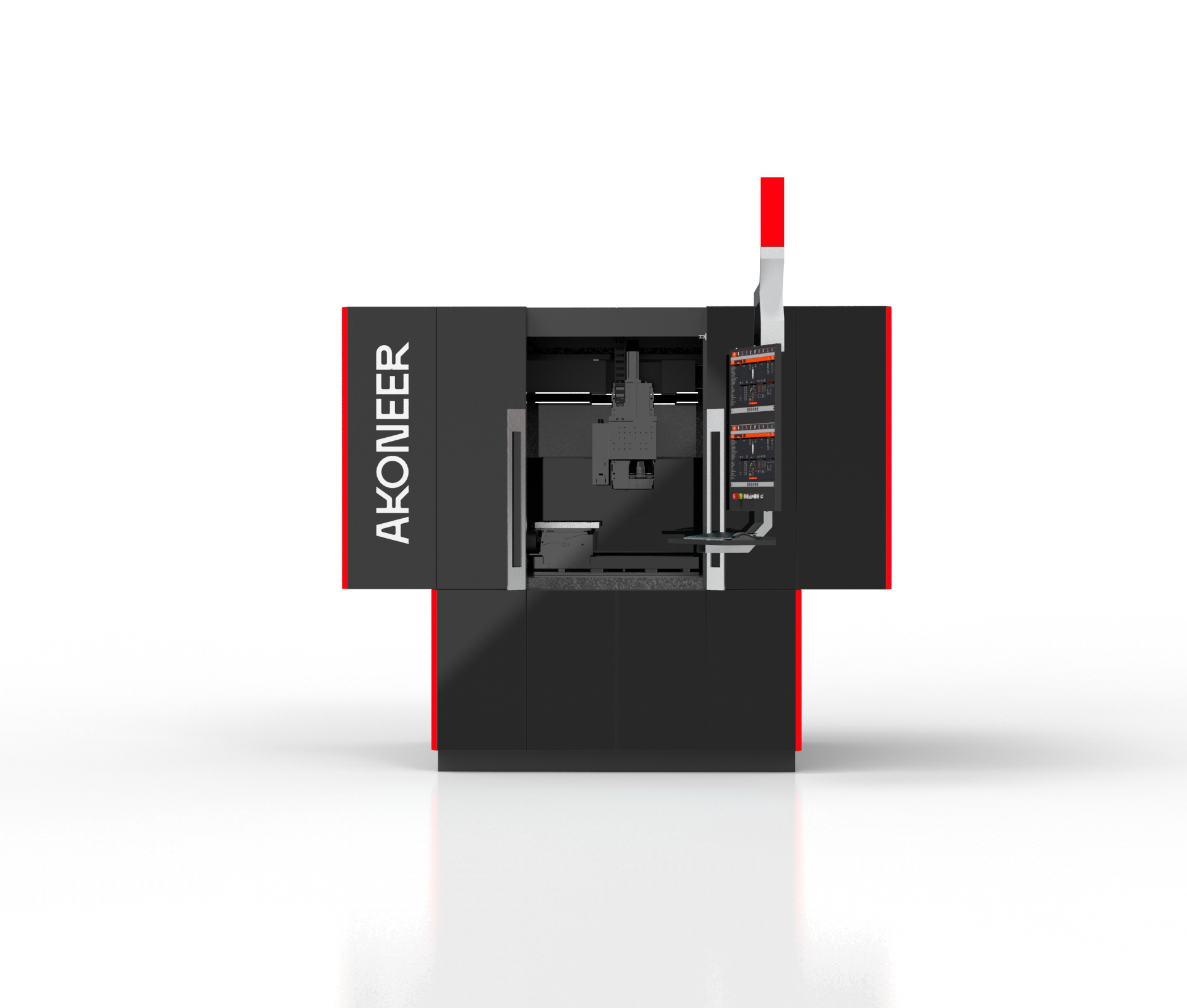
Laser cutting technology has transformed the manufacturing industry, offering high precision and efficiency in material processing. This technology is crucial in sectors like automotive, aerospace, electronics, and medical fields. By examining its core components, applications, and advantages, we can understand the pivotal role laser cutting plays in modern manufacturing processes.
Principles of laser cutting
Laser cutting operates by directing a high-powered laser beam to cut through materials. The laser is generated by exciting a lasing material with electrical discharges or lamps inside a sealed container. Once formed, the laser beam is focused through a lens onto the target material. This concentrated energy melts, burns, or vaporizes the material, resulting in a precise cut edge.
The precision of laser cutting is unrivaled, with kerf widths as narrow as 0.1 mm. This allows for intricate patterns with minimal waste and error. Laser power, typically between 2-6 kW, is adjustable to suit different materials, enhancing versatility. Automation further reduces human error, boosting efficiency.
Types of laser cutting
There are several types of laser cutting, each tailored for specific materials and applications. The most common include CO2 lasers, fiber lasers, and neodymium (Nd) and neodymium yttrium-aluminum-garnet (Nd:YAG) lasers.
CO2 lasers, effective for cutting non-metal materials like wood, acrylic, and plastic, can also handle metals such as mild steel and aluminum with suitable gas mixtures. Fiber lasers, known for their speed and precision, are ideal for cutting metals, including reflective materials like brass and copper. Nd and Nd:YAG lasers, with high energy and low repetition rates, are used in industries like medical and dental for precise cutting and drilling.
Applications of laser cutting technology
Laser cutting technology finds applications across diverse industries. In automotive, it is used for cutting precise parts like airbag fabrics and engine components, ensuring perfect fit for safety and performance. The aerospace sector uses laser cutting for lightweight materials, reducing aircraft weight and improving fuel efficiency.
The electronics industry utilizes laser cutting for small, intricate components, including printed circuit boards and semiconductors, where precision is paramount. In the medical field, it creates surgical instruments and implants, with precise and clean cuts maintaining sterility and functionality.
For instance, Tesla employs laser cutting in its Fremont factory to create precise battery components, enhancing the efficiency and reliability of its electric vehicles.
Benefits of laser cutting
Laser cutting offers numerous benefits. Its precision allows for intricate designs with minimal waste, translating into cost savings due to reduced material wastage and fewer errors. The technology's versatility enables it to cut a wide range of materials, including metals, plastics, wood, and fabrics, making it invaluable for manufacturers dealing with various materials.
The process is highly efficient, often faster than traditional methods, increasing production rates. Automation further boosts efficiency by reducing labor costs and potential human error. Additionally, laser cutting delivers high-quality cut edges with minimal burring, reducing the need for additional finishing processes and ensuring high-quality standards.
Challenges and considerations
Despite its advantages, laser cutting technology presents challenges. The initial investment in equipment can be significant, though long-term savings in materials and labor often offset this. Regular maintenance is essential to ensure equipment efficiency and high-quality cuts, including cleaning lenses, replacing gases, and calibrating the laser.
Safety is also a critical concern. High-powered lasers pose risks if not handled properly, necessitating adequate training and safety measures to prevent accidents.
The future of laser cutting technology
As technology advances, laser cutting is expected to become even more efficient and versatile. Innovations, such as higher power levels and improved beam quality, will enhance its capabilities. Additionally, integrating artificial intelligence and machine learning could lead to more intelligent and autonomous laser cutting systems.
Laser cutting has significantly impacted the manufacturing industry, and as advancements continue, its role in shaping the future of manufacturing will likely strengthen. With its precision, efficiency, and versatility, laser cutting will remain a cornerstone of modern manufacturing processes.