Laser cutting system
Laser cutting systems are essential for modern manufacturing, offering efficient and accurate material processing across various industries.
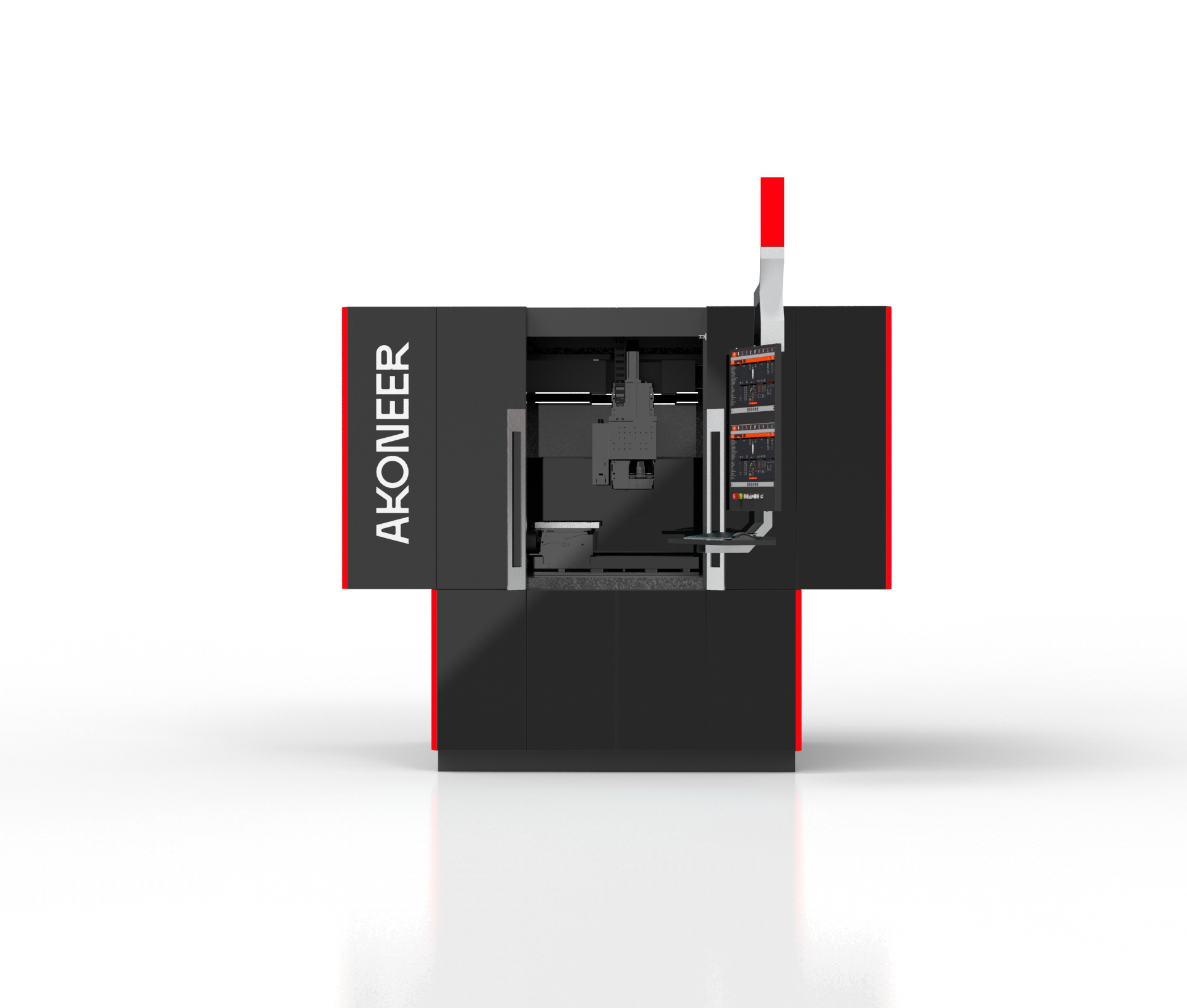
Laser cutting systems have become indispensable in modern manufacturing and engineering. Renowned for their precision and efficiency, these systems use focused laser beams to cut materials with exceptional accuracy. This article delves into the fundamental aspects of laser cutting systems, their applications, and their benefits.
Understanding the technology
At the core of a laser cutting system is the laser, which generates a concentrated beam of light. Directed towards the target material, the laser beam’s immense energy causes the material to melt, burn, or vaporize, resulting in a clean, precise cut with minimal waste. Typical laser cutting systems feature power outputs ranging from 2 to 6 kW and achieve cutting speeds of up to 30 m/min, with kerf widths approximately 0.1 mm and repeatability of ±0.02 mm.
Various lasers are employed in these systems, including CO2, fiber, and Nd:YAG lasers. CO2 lasers are suited for cutting non-metal materials like wood, acrylic, and plastics. Conversely, fiber lasers are ideal for cutting metals due to their higher efficiency and shorter wavelength. Nd:YAG lasers, while also used for metal cutting, are primarily employed in specialized applications requiring high peak power.
The choice of laser depends on factors like the material, desired cutting speed, and material thickness. A CNC (computer numerical control) component automates the cutting process, ensuring precision and repeatability.
Applications across industries
The versatility of laser cutting systems has led to their adoption across diverse industries. In the automotive sector, they are used to cut intricate shapes in both metal and non-metal components, enabling manufacturers to produce lightweight yet strong parts that enhance fuel efficiency. For instance, BMW utilizes fiber laser cutters to reduce production times by 50% while maintaining high precision.
In aerospace, laser cutting crafts complex components with high precision. The ability to cut materials such as titanium and composites makes laser cutting ideal for producing parts that meet the stringent specifications of aerospace engineering.
The electronics industry benefits from laser cutting systems due to the miniaturization of devices, requiring precise cuts and etching of circuit boards. Lasers provide the accuracy needed to produce intricate components without damaging delicate materials.
Moreover, laser cutting systems are used in the fashion and textile industry to cut fabrics and leather with precision, allowing designers to create intricate patterns that traditional cutting methods cannot achieve.
Advantages of laser cutting systems
Laser cutting systems offer numerous advantages over traditional methods. A significant benefit is precision. The focused laser beam ensures clean, accurate cuts, reducing the need for post-processing and minimizing material waste. Additionally, laser cutting is a non-contact process, eliminating tool wear and reducing the risk of material deformation, leading to lower maintenance costs and longer tool life.
The speed of laser cutting is another advantage, as laser systems can cut materials much faster than mechanical tools, increasing production efficiency and reducing manufacturing time. Moreover, laser cutting allows for greater design flexibility, enabling complex shapes and intricate designs without additional tooling, allowing manufacturers to quickly respond to design changes and customer demands.
Considerations and limitations
While laser cutting systems offer many benefits, there are considerations and limitations. One primary consideration is the cost of the equipment, which can be a barrier for small businesses. Material thickness is another limitation; while lasers effectively cut thin to moderately thick materials, they may struggle with very thick materials, making alternative cutting methods more suitable.
Material reflectivity is also a concern. Highly reflective materials, such as copper and aluminum, can challenge some laser types, as they may reflect the beam, reducing efficiency. Special techniques or coatings may be required to address this issue.
Finally, safety is crucial. High-power laser beams pose risks to operators, so proper safety measures, including protective eyewear and equipment enclosures, must be in place to prevent accidents.
The future of laser cutting
The future of laser cutting systems looks promising, with continuous advancements leading to even greater precision and efficiency. Developments in laser power and control systems are expected to broaden the range of materials and thicknesses that can be cut. Automation and integration with other manufacturing processes will likely enhance laser cutting systems' capabilities, enabling more seamless production lines and reducing manual intervention.
As industries continue to demand higher precision, faster production times, and greater design flexibility, laser cutting systems will remain a vital component of modern manufacturing. Ongoing research and development in this field will ensure these systems continue to evolve and meet the ever-changing needs of industry.