Laser cutting stent
Laser cutting plays a crucial role in the efficient and accurate production of stents, contributing significantly to advancements in medical treatments.
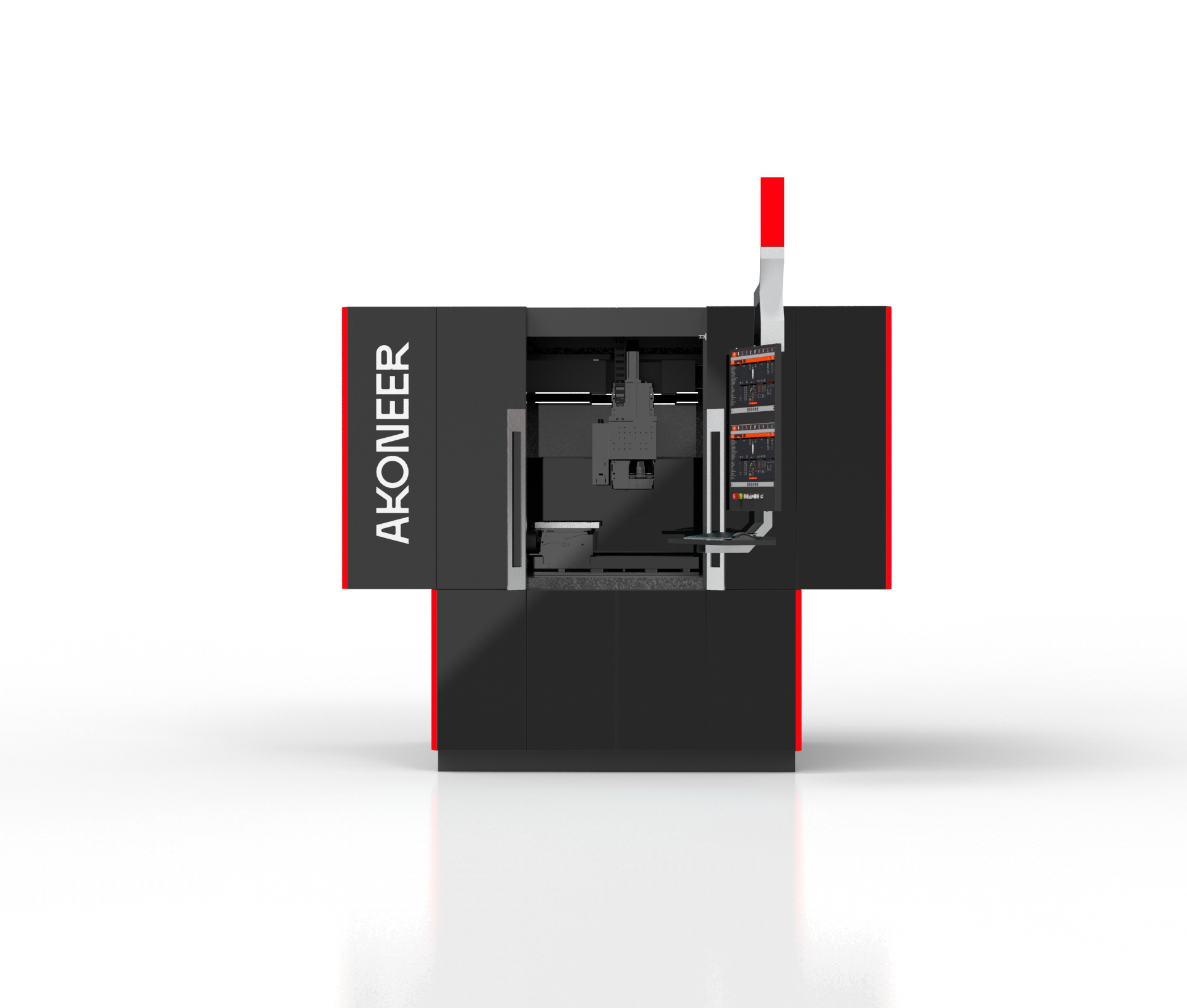
The medical field has seen remarkable advancements due to technology, and one such innovation is the laser cutting of stents. Stents play a crucial role in medical treatments, particularly in ensuring the patency of blood vessels. The precision and efficiency of laser cutting make it an ideal method for producing these life-saving devices. This article delves into the significance of laser cutting in stent manufacturing, examining the benefits, process, and future potential of this technology.
Understanding stents and their importance
Stents are small, tube-like structures used primarily to keep blood vessels open in the treatment of conditions like coronary artery disease. They support vascular walls and ensure proper blood flow, which is essential for reducing the risk of heart attacks and improving patient outcomes. The design and composition of stents must be meticulously crafted to function effectively without causing adverse reactions within the body.
The role of laser cutting technology
Laser cutting has become a cornerstone in stent manufacturing due to its precision and adaptability. The process utilizes a concentrated beam of light to cut materials with high accuracy. With a typical kerf of approximately 0.1 mm and repeatability of ±0.02 mm, this precision is crucial in stent manufacturing, where even the smallest defect can lead to serious complications. Laser cutting allows the creation of complex stent designs that are both strong and flexible, catering to diverse patient needs.
Advantages of laser cutting in stent production
Laser cutting offers numerous advantages in stent production. It provides a high degree of precision essential in creating intricate patterns and designs required for optimal stent performance. This precision reduces material waste, making the process cost-effective and environmentally friendly. Additionally, laser cutting offers flexibility to work with various materials, including metals and polymers, broadening the scope of stent designs and applications.
Laser cutting is a non-contact process, which means there is no physical tool that touches the material, reducing the risk of contamination and damage to the delicate structures of stents. Automated laser cutting processes enhance efficiency and consistency in stent production, ensuring high-quality outcomes. For example, Boston Scientific employs laser technology to achieve a cutting speed of 30 m min⁻¹, significantly increasing production rates and meeting high demand efficiently.
The process of laser cutting stents
The laser cutting process for stents begins with creating a detailed design using computer-aided design (CAD) software. This design translates into a series of instructions that guide the laser cutting machine. Stents are typically made from biocompatible materials such as stainless steel or cobalt-chromium alloys due to their strength and compatibility with the human body.
During laser cutting, the material is exposed to a focused beam of light that melts, burns, or vaporizes the target area. The laser's precision allows for the creation of intricate patterns, essential for the stent's mechanical performance and flexibility. After cutting, the stents undergo several finishing processes, such as polishing and coating, to ensure safe implantation.
Challenges and considerations
Despite its advantages, laser cutting stents is not without challenges. The required precision demands advanced technology and expertise, which can be costly. Maintaining the quality and consistency of stents throughout production is critical, as any defects can lead to serious medical complications.
Material choice also requires consideration, as different materials react differently to laser cutting. This necessitates careful selection and testing to ensure materials meet necessary standards for biocompatibility and mechanical performance.
Future of laser cutting in stent manufacturing
The future of laser cutting in stent manufacturing looks promising, with ongoing advancements in technology enhancing the capabilities and outcomes of the process. Innovations such as ultra-fast laser systems and improved automation are expected to increase the precision and efficiency of stent production further.
Research into new materials and stent designs continues, potentially leading to more effective and versatile stents. Integrating laser cutting with other technologies, such as additive manufacturing, is also being explored, which could open new avenues for creating complex, multi-material stents. In summary, laser cutting is a pivotal technology in stent production, offering precision, efficiency, and versatility. While challenges remain, the potential for innovation and improvement in this field is vast. As technology evolves, laser cutting will likely play a greater role in advancing medical treatments and improving patient care.