Laser cutting silicon carbide
Laser cutting provides an effective solution for processing silicon carbide, a material known for its hardness and thermal properties, in industrial applications.
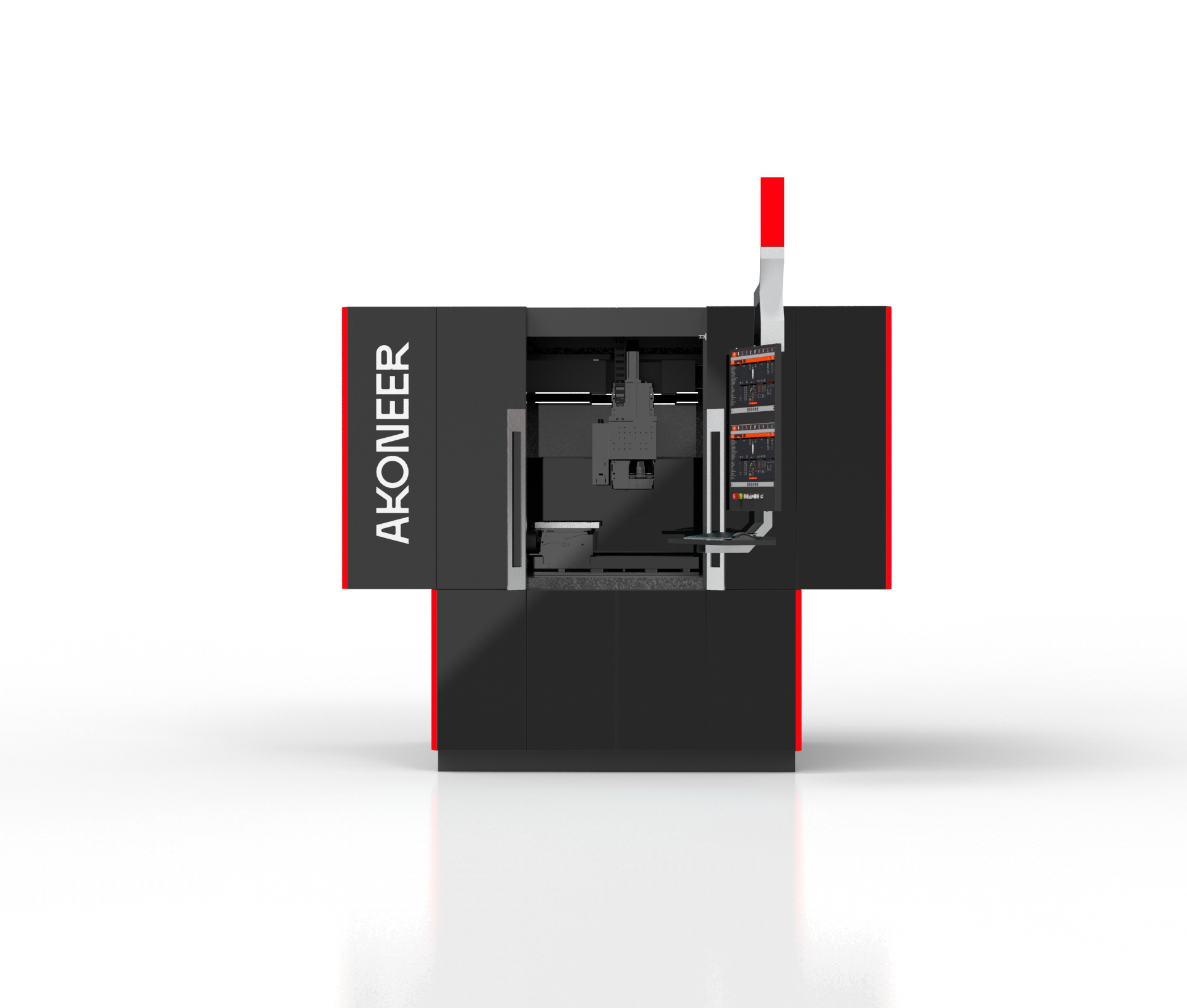
Silicon carbide (SiC) is renowned for its exceptional hardness, thermal conductivity, and chemical stability. These properties make it ideal for industrial applications, such as semiconductors, abrasives, and heating elements. However, these same characteristics often challenge traditional machining methods in terms of efficiency and precision. Laser cutting has emerged as a viable solution, offering distinct advantages for processing this hard material.
Understanding silicon carbide properties
Silicon carbide consists of silicon and carbon atoms arranged in a crystalline structure. Its hardness is second only to diamond, making it resistant to abrasion and wear. With thermal conductivity significantly higher than many metals, SiC efficiently dissipates heat, crucial for high-temperature applications. SiC's chemical inertness makes it resistant to corrosion and chemical reactions. These properties drive its widespread use in high-performance applications but also demand advanced machining techniques for desired precision and quality.
The mechanics of laser cutting
Laser cutting is a subtractive process using a high-powered laser beam to melt, burn, or vaporize material. By exciting lasing material with electrical currents, light is amplified and focused through lenses. The beam achieves extremely high temperatures in small areas, enabling precise cuts through hard materials like silicon carbide. Computer numerical control (CNC) systems finely control the process, ensuring consistent and accurate results. Lasers typically range from 2 to 6 kW in power, with cutting speeds up to 30 m min⁻¹, and a kerf width around 0.1 mm.
Advantages of laser cutting for silicon carbide
Laser cutting offers unparalleled precision, essential for intricate designs or tight tolerances. The non-contact process minimizes material damage or deformation, crucial for brittle materials like silicon carbide. It's a fast process, reducing production time and increasing efficiency, with minimal waste—beneficial economically and environmentally. Automation enables high-volume production with consistent results. The repeatability of laser cutting can achieve ±0.02 mm, making it ideal for industries demanding high accuracy.
Challenges in laser cutting silicon carbide
Despite its advantages, laser cutting silicon carbide presents challenges. The material's high hardness and thermal conductivity require lasers with sufficient power for clean cuts. Excessive power may cause thermal stress, leading to micro-cracks. Operators must calibrate power and speed carefully. Silicon carbide's reflective nature can affect laser absorption, necessitating specific laser types, such as fiber or CO2 lasers, for efficient processing.
Recent developments in laser cutting technology
Advancements in laser technology have significantly improved cutting efficiency and quality for silicon carbide. Innovations in laser sources, like fiber and ultrafast lasers, enhance power and precision, reducing thermal damage. Beam delivery systems and optics developments contribute to more consistent performance and increased flexibility in processing complex geometries. Integration with advanced software enables real-time monitoring and adjustments, ensuring high-quality results even in challenging conditions. These advancements expand potential applications in silicon carbide machining.
Applications of laser-cut silicon carbide
Precision-cut silicon carbide opens up numerous possibilities across industries. In semiconductors, laser cutting produces intricate components for electronics, where precision is critical. The automotive and aerospace sectors benefit from silicon carbide's lightweight and durable nature for components requiring high thermal resistance and structural integrity. Additionally, laser-cut silicon carbide is used in advanced ceramics for ballistic armor and industrial abrasives. A real-world example is Applied Materials, which employs laser technology for semiconductor wafer processing, significantly enhancing production speed and precision.
Future prospects and innovations
The future of laser cutting silicon carbide is promising, with ongoing research focused on improving efficiency and expanding capabilities. Emerging technologies, like hybrid laser systems and multi-axis cutting, aim to enhance precision and flexibility further. Advancements in material science may lead to new silicon carbide composites with tailored properties for specific applications. As demand for high-performance materials grows, laser cutting will likely play an increasingly important role in enabling the next generation of silicon carbide-based technologies. Integrating artificial intelligence and machine learning into laser cutting processes may revolutionize the industry, offering predictive maintenance, adaptive control, and optimized performance.
In summary, laser cutting represents a significant advancement in machining silicon carbide. Its precision, efficiency, and adaptability make it essential for industries reliant on high-performance materials. As technology evolves, laser cutting will undoubtedly unlock new possibilities for silicon carbide applications, driving innovation and progress across various sectors.