Laser cutting reflective material
Laser technology enables efficient cutting of challenging reflective materials like aluminum and copper, addressing unique challenges to maintain equipment integrity and cutting quality.
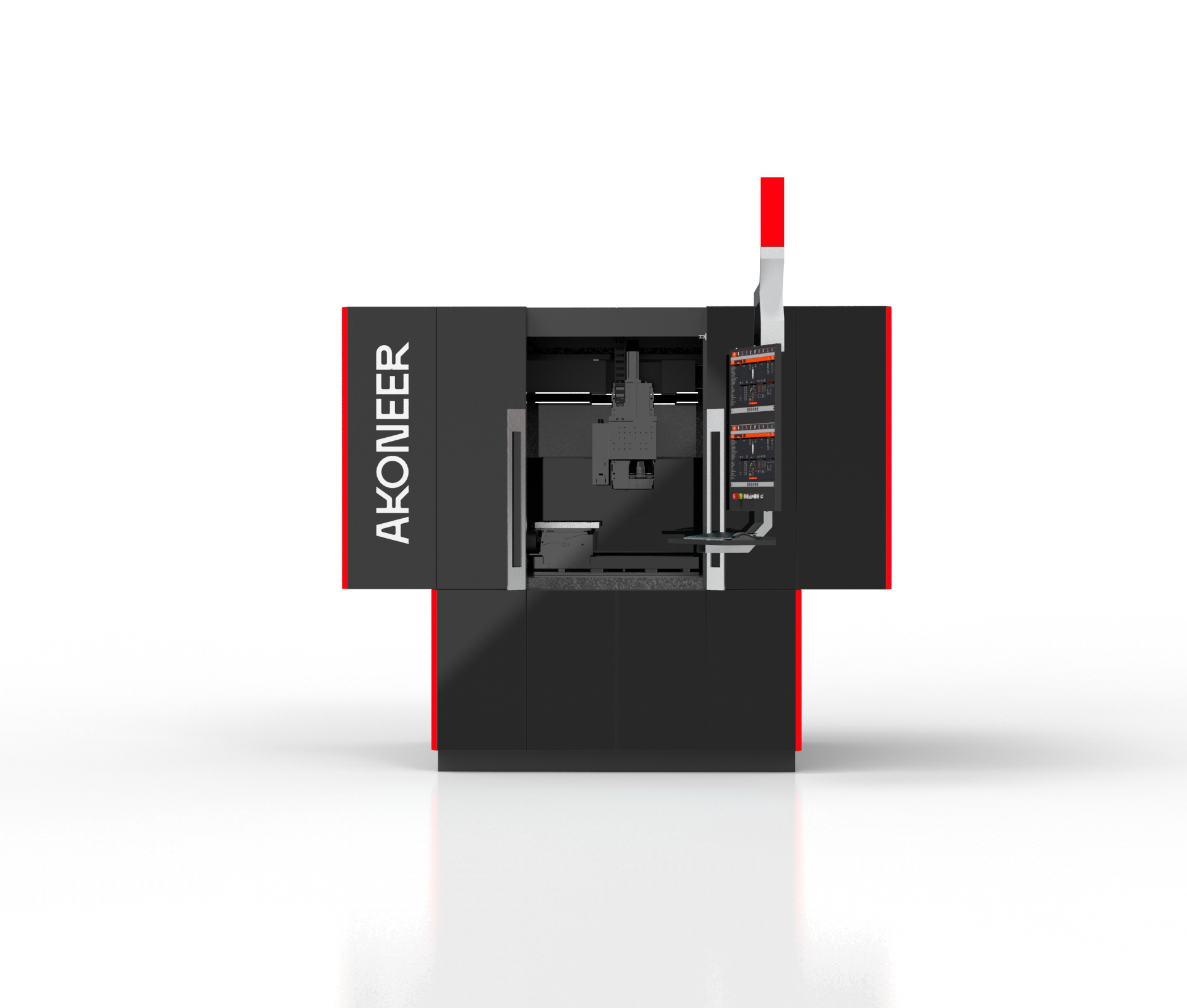
The world of laser technology has expanded rapidly, showcasing its versatility and efficiency across various industries. One of the more challenging applications is cutting reflective materials, such as aluminum, copper, and certain alloys. These materials pose unique challenges due to their ability to reflect laser light, which can lead to decreased efficiency and potential damage to the equipment. Understanding the intricacies of laser cutting reflective materials is essential for achieving precision and maintaining equipment integrity.
Understanding reflective materials
Reflective materials are characterized by their ability to reflect light instead of absorbing it. This property is beneficial in many applications but poses challenges in laser cutting. Materials like aluminum and copper are highly reflective due to their free electrons, which can reflect the laser beam meant to cut through them. This reflection can prevent the laser from transferring energy efficiently, making it difficult to achieve clean cuts.
In laser cutting, understanding these reflective properties is crucial. When a laser beam encounters a reflective surface, energy intended for cutting is instead reflected. This can result in poor cutting quality, increased wear on equipment, and potential safety hazards if the reflected beam is not properly managed. Addressing these challenges requires careful consideration of the laser type, power settings, and cutting techniques.
Choosing the right laser
Selecting the appropriate laser is critical when dealing with reflective materials. CO2 lasers and fiber lasers are the most common types used. Fiber lasers have gained popularity due to their ability to cut reflective materials more efficiently than CO2 lasers. This efficiency arises from the shorter wavelength of fiber lasers, which allows for better absorption by the material, reducing the amount of reflected energy.
Fiber lasers, with power levels typically between 2–6 kW, are particularly suitable for cutting metals like aluminum and copper. Their higher power density and wavelength characteristics make them more effective at penetrating the surface of reflective materials. Additionally, the robust construction of fiber lasers makes them less susceptible to damage from reflected beams, enhancing their longevity and reliability.
Techniques for cutting reflective materials
Several techniques can optimize laser cutting of reflective materials. One effective approach is to adjust the angle of incidence of the laser beam. By tilting the beam slightly, the amount of reflected energy can be minimized, allowing more energy to be absorbed by the material. This technique requires precise calibration to ensure effectiveness while maintaining safety standards.
Another strategy involves using assist gases, such as oxygen or nitrogen, to aid in the cutting process. These gases can react with the material, creating an exothermic reaction that enhances cutting efficiency. Oxygen, for instance, can improve cutting speed and quality by providing additional heat through oxidation. However, it is crucial to balance the use of assist gases to avoid unwanted reactions or excessive heat that could damage the material.
Safety considerations
Safety is paramount when working with lasers, especially when cutting reflective materials. The reflection of laser beams can pose significant risks to equipment and operators. Proper shielding and protective eyewear are essential to prevent accidents. Ensuring that the laser cutting area is equipped with reflective beam traps can help contain stray reflections, minimizing the risk of injury or equipment damage.
Regular maintenance and monitoring of laser equipment are vital. Reflective materials can cause wear on lenses and mirrors, potentially affecting performance. Routine inspections and cleaning can prevent these issues, ensuring the laser remains in optimal condition. For example, at Tesla's Gigafactory, fiber lasers are used to cut reflective materials with precision, maintaining a kerf of approximately 0.1 mm and repeatability of ±0.02 mm, contributing to manufacturing efficiency and reduced waste.
The future of laser cutting reflective materials
Advancements in laser technology continue to address the challenges posed by reflective materials. Innovations in laser design, such as adaptive optics and improved beam delivery systems, are enhancing the precision and efficiency of cutting these materials. Moreover, developments in material science are leading to the creation of coatings and surface treatments that reduce reflectivity, further facilitating laser cutting.
As the demand for lightweight and durable materials in industries such as aerospace, automotive, and electronics grows, so does the need for effective cutting solutions. Research and development efforts focus on improving laser systems and techniques to accommodate the unique properties of reflective materials. By selecting the right laser, employing effective strategies, and adhering to safety standards, manufacturers can achieve precise cuts while maintaining the integrity of their equipment. As technology evolves, the capabilities of laser cutting reflective materials will expand, offering new possibilities for innovation and efficiency in manufacturing.