Laser cutting applications
Laser cutting technology enhances manufacturing by enabling intricate designs and efficient production across industries like automotive, aerospace, fashion, and medicine.
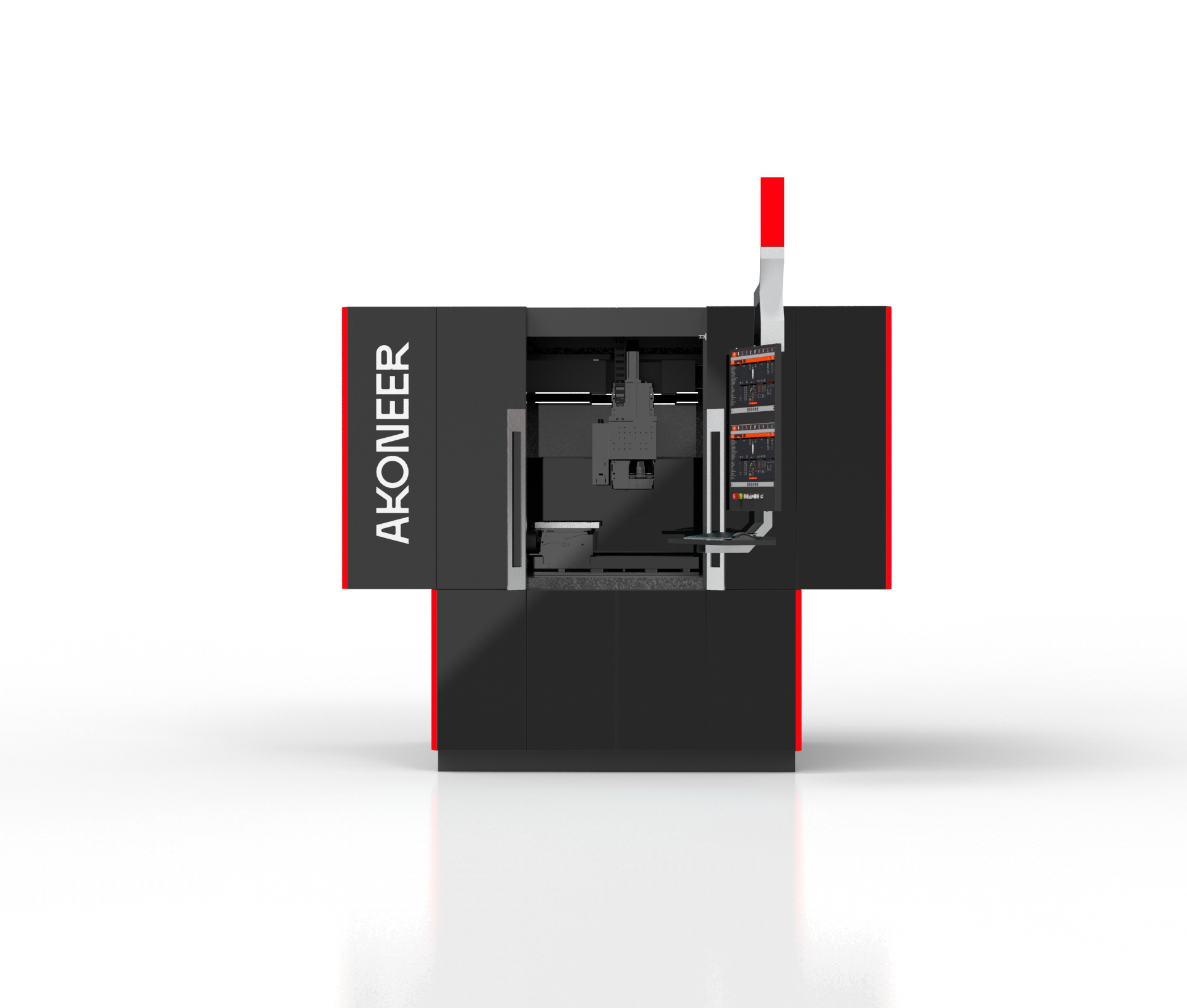
Laser cutting technology has revolutionized manufacturing and design, driving innovations across numerous industries. It utilizes a high-powered laser to cut, shape, or engrave materials with exceptional precision. This article delves into the diverse applications of laser cutting, highlighting its impact on industries such as automotive, aerospace, fashion, and medicine. By examining these applications, we can better understand how laser cutting contributes to modern advancements in technology and design.
Automotive industry
The automotive industry has greatly benefited from laser cutting technology, where precision is crucial for ensuring safety and performance. Laser cutting enables the accurate cutting of complex shapes and intricate parts, enhancing the overall efficiency and safety of vehicles. Components like airbag textiles, dashboards, and metal parts are often crafted using laser cutters, which typically operate at power levels ranging from 2 to 6 kW. This technology allows manufacturers to produce high-quality components with minimal waste, leading to significant cost savings and environmental benefits.
Additionally, laser cutting facilitates vehicle customization. Car enthusiasts can personalize their vehicles with custom designs on metal parts, seats, or interior panels—previously unattainable with traditional cutting methods. The precision and versatility of laser cutting make it an ideal tool for creating unique and detailed designs, enhancing both the aesthetic and functional aspects of automobiles.
Aerospace industry
In the aerospace sector, precision and reliability are paramount. Laser cutting plays a crucial role in producing components that meet strict industry standards. The ability to cut materials like titanium and aluminum with high precision, often with a kerf of approximately 0.1 mm, makes laser cutting an invaluable tool for aerospace manufacturing. Parts such as turbine blades, structural components, and intricate engine parts are often produced using this technology.
The precision offered by laser cutting ensures components fit together seamlessly, reducing the risk of mechanical failure. This is particularly important in aerospace, where even minor discrepancies can have significant consequences. Furthermore, laser cutting allows for the production of lightweight components, contributing to fuel efficiency and overall aircraft performance. At Rolls-Royce, laser cutting has reduced the weight of engine components, contributing to a 15% increase in fuel efficiency.
Fashion and textile industry
The fashion and textile industry has embraced laser cutting for its ability to create intricate designs with accuracy and speed. Designers utilize laser technology to cut fabrics, leather, and synthetic materials, enabling the production of complex patterns and detailed embellishments. This technology has opened up new possibilities for creativity and innovation in fashion design.
Laser cutting is also used for engraving and etching, allowing designers to add unique textures and patterns to garments and accessories. The precision of laser cutting ensures that each piece is consistent and meets the designer's specifications, streamlining the production process and reducing the time and labor required for traditional cutting and sewing methods.
Medical industry
In the medical field, laser cutting is employed in the manufacturing of medical devices and components. The technology is used to produce intricate parts for devices such as stents, implants, and surgical instruments. Precision and cleanliness are critical in medical manufacturing, and laser cutting provides a level of accuracy essential for producing safe and effective medical products.
Laser cutting also plays a role in developing prosthetics and orthotics. The ability to cut materials to fit the exact specifications of a patient ensures these devices are comfortable and functional. This customization improves patients' quality of life, demonstrating the significant impact of laser cutting technology in healthcare.
Electronics industry
The electronics industry relies heavily on laser cutting for producing components such as circuit boards, semiconductors, and connectors. The precision of laser technology allows for the creation of small, intricate components essential for modern electronic devices. As electronic devices become more compact and complex, the demand for precise cutting techniques continues to grow.
Laser cutting is also used in the production of flexible circuits and microelectronics, where traditional cutting methods are often inadequate. The ability to cut and engrave materials with precision ensures the functionality and reliability of electronic components, contributing to the advancement of technology in this rapidly evolving industry.
Architectural and interior design
Architects and interior designers use laser cutting to create detailed models, intricate patterns, and custom designs for various projects. The technology allows for cutting a wide range of materials, including wood, metal, and acrylic, enabling the creation of unique architectural elements and decorative pieces.
Laser cutting facilitates the production of complex geometric patterns and detailed engravings that enhance the aesthetic appeal of buildings and interior spaces. This level of customization and precision is invaluable for designers aiming to create visually stunning and functional environments.
Laser cutting technology profoundly impacts multiple industries, offering precision, efficiency, and versatility. Its applications in automotive, aerospace, fashion, medicine, electronics, and architecture demonstrate its role as a driving force in modern manufacturing and design. As technology continues to evolve, the potential for laser cutting applications will undoubtedly expand, further transforming the landscape of various industries.