Laser cutting and etching
Laser cutting and etching utilize focused light beams to efficiently modify materials, benefiting industries like manufacturing, art, and design.
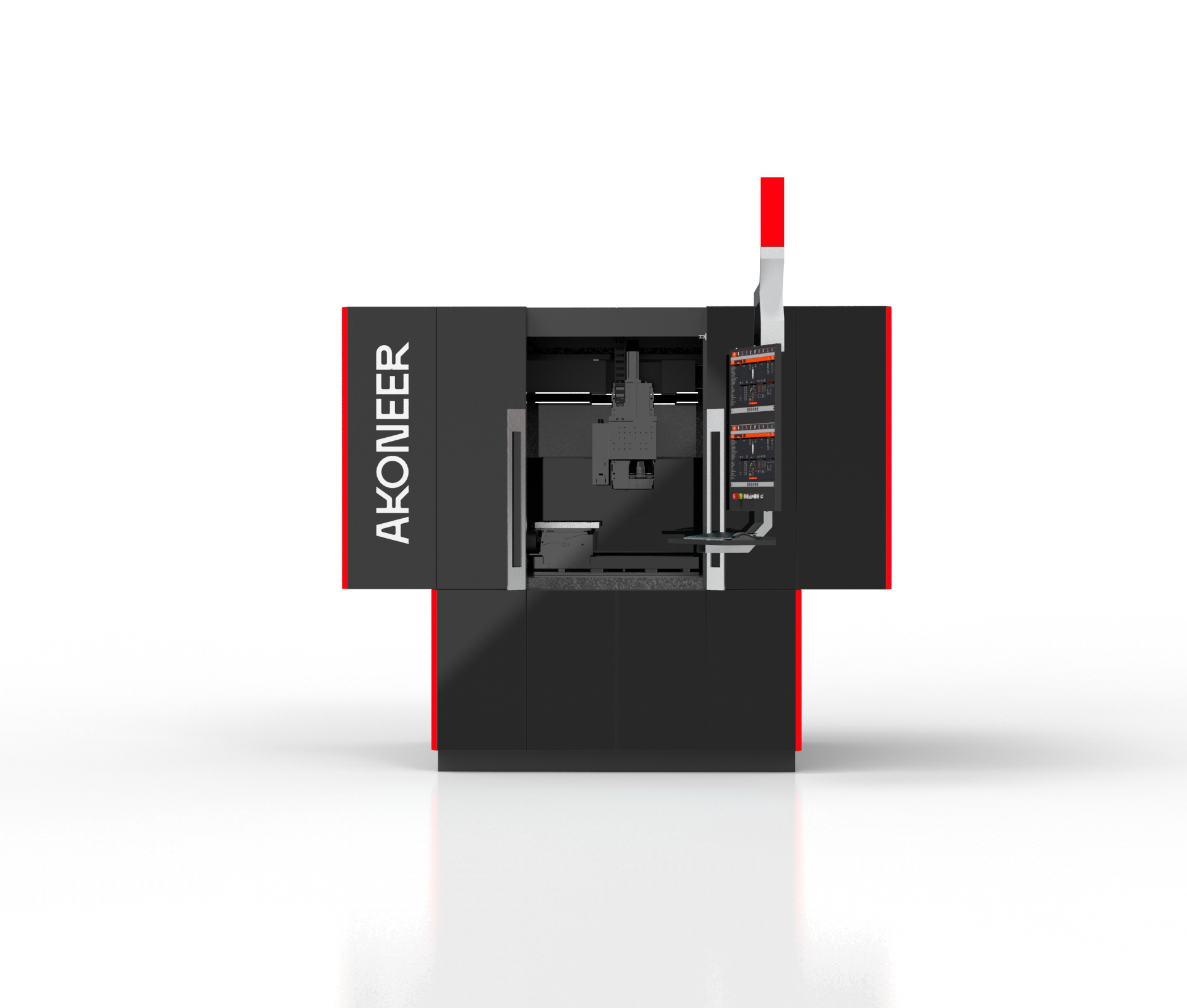
Laser cutting and etching are powerful applications of laser technology that have transformed industries such as manufacturing, art, and design. These processes use a concentrated beam of light to cut or engrave materials with precision and efficiency. Understanding how laser cutting and etching work, their applications, and their benefits is crucial for those looking to leverage this technology.
Understanding laser technology
At the core of laser cutting and etching is the laser—a device that emits a focused beam of light capable of cutting through or engraving materials. Lasers vary in power and wavelength, making them suitable for diverse applications. CO2 lasers are often used for cutting and etching a wide range of materials, while fiber lasers are ideal for metals due to their high intensity and precision. Typically, laser systems offer power outputs ranging from 2 to 6 kW, with repeatability of ±0.02 mm. Computer numerical control (CNC) systems guide the laser beam, allowing intricate designs with remarkable accuracy.
Principles of laser cutting
Laser cutting directs the laser beam onto a material, causing it to melt, burn, or vaporize along the designated path. This process begins with a design created in computer-aided design (CAD) software, translated into a format interpretable by the laser cutting machine. As the machine operates, the laser moves along the specified path, cutting through materials with minimal waste and high precision. Typical kerf widths are approximately 0.1 mm, and cutting speeds can reach up to 30 m per minute. Industries such as automotive, aerospace, and fashion use this technology to cut metals, plastics, textiles, and wood.
The process of laser etching
Laser etching, a subset of laser engraving, alters a material's surface to create a design, often without removing significant material. The laser beam interacts with the surface to change its color or texture, ideal for permanent markings like serial numbers or logos on metals, glass, and ceramics. Laser etching ensures high-quality results, making it popular in electronics, jewelry, and signage. For example, Tesla uses laser etching for its vehicle parts, ensuring precise and durable markings that enhance product quality.
Applications across industries
The versatility of laser cutting and etching makes them invaluable across multiple industries. In manufacturing, these processes streamline production by reducing material waste and minimizing post-processing. Fashion designers use laser cutting to create intricate patterns on fabrics and leather, enabling innovative designs. The architectural sector benefits from the precision of laser cutting for detailed models and components. In the art world, laser etching has opened new avenues for detailed engravings on various media.
Environmental and economic benefits
Laser cutting and etching offer significant environmental and economic advantages. The precision of laser technology reduces material waste, making it a more sustainable option compared to traditional methods. The non-contact nature of laser cutting reduces tool wear, lowering maintenance costs and extending machine lifespans. Increased efficiency translates into faster production times, significantly reducing operational costs. The ability to switch designs quickly without new tooling supports both mass production and custom, small-batch manufacturing.
Challenges and considerations
Despite their advantages, laser cutting and etching present challenges. Initial costs for laser machinery are high but often offset by long-term savings in production efficiency and material costs. Operators must be trained to handle machines safely and effectively to avoid hazards or material damage. The choice of laser type and settings must suit the processed material to ensure optimal results. Understanding these challenges is essential for informed decisions when integrating laser technology into operations.
Future prospects of laser technology
The future of laser cutting and etching is promising, with advancements in technology leading to greater precision and efficiency. Innovations like higher-powered lasers and sophisticated CNC systems expand the range of materials and design complexity. As industries evolve, laser technology's adaptability will play a crucial role in meeting new demands. Integrating laser processes with other technologies, such as 3D printing, could enhance production capabilities and open new possibilities for customization and innovation.
In summary, laser cutting and etching are transformative technologies that have reshaped numerous industries by offering precision, efficiency, and versatility. As these technologies advance, their applications and benefits are expected to grow, making them essential tools for modern manufacturing and design. Understanding the principles, applications, and potential challenges of laser cutting and etching can help businesses and individuals maximize this powerful technology.