Laser cutting accuracy
Laser cutting is essential in modern manufacturing, offering accuracy and efficiency across various industries.
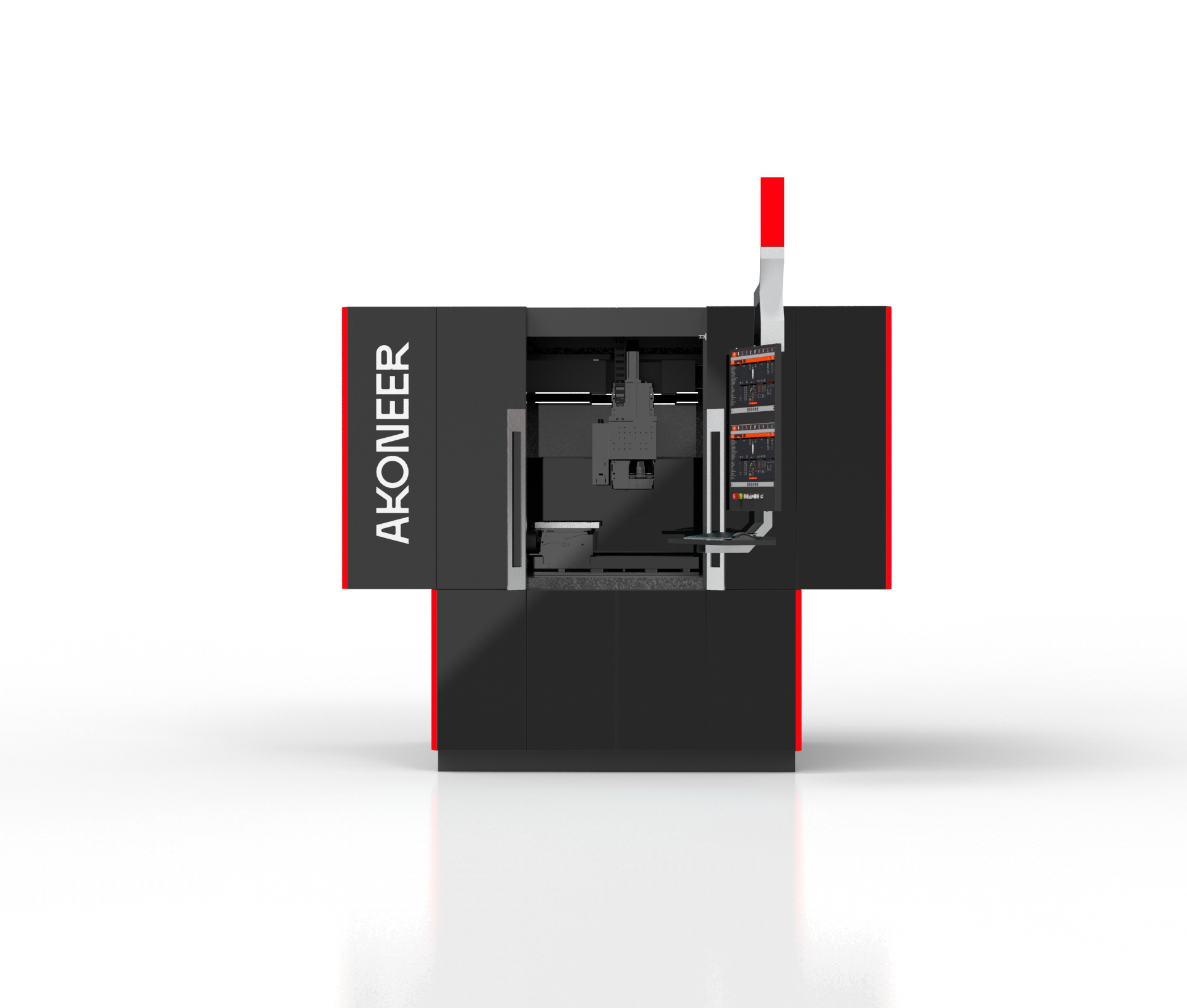
The precision and reliability of laser cutting have established it as a cornerstone of modern manufacturing processes. As industries evolve, the emphasis on laser cutting accuracy becomes increasingly significant. Understanding the nuances of this technology helps businesses make informed decisions about integrating laser cutting into their production lines.
Understanding laser cutting technology
Laser cutting uses a focused beam of light to cut materials. The process directs the laser through optics and CNC (computer numerical control) to cut materials like metals, plastics, and wood. This method's precision is one of its most compelling features. High-powered lasers can achieve intricate cuts with a repeatability of ±0.02 mm, which is often impossible with traditional methods. The laser's ability to focus on a small point results in a clean cut with a kerf of approximately 0.1 mm and minimal waste.
Factors influencing laser cutting accuracy
Several factors influence laser cutting accuracy. The type of laser—such as CO2, fiber, or Nd:YAG—affects the speed, edge quality, and precision. For instance, fiber lasers are particularly effective for cutting metals up to 20 mm thick. Material type also impacts the interaction with the laser beam; metals and plastics require different settings due to distinct thermal properties. Material thickness plays a role as well; thicker materials may need multiple passes or power adjustments to achieve desired accuracy.
The quality of the laser cutting machine is paramount. Machines with higher build quality maintain tighter tolerances and provide consistent results. Advanced software integration enhances accuracy by optimizing cutting paths and adjusting parameters in real time. For example, Tesla's Gigafactory utilizes high-precision laser cutting for automotive components, significantly reducing the need for secondary processing.
The role of machine calibration and maintenance
Regular calibration and maintenance are crucial for maintaining laser cutting accuracy. Components can wear out or become misaligned, leading to precision loss. Regular calibration ensures laser alignment and adherence to design specifications. Maintenance checks help identify potential issues, such as lens wear, which could scatter the laser beam and reduce accuracy.
Impact of laser cutting accuracy on manufacturing
Laser cutting accuracy directly impacts manufacturing efficiency and quality. Precise cuts ensure better part fit, essential in industries like aerospace and automotive, where tolerances are tight. High accuracy reduces the need for secondary processing, saving time and resources. Additionally, material optimization through accuracy minimizes waste, leading to cost savings and more sustainable production practices—especially vital in industries with expensive or scarce materials.
Technological advancements enhancing precision
Technological advancements continue to push laser cutting accuracy boundaries. Innovations in laser technology, such as ultrafast lasers, enable finer cuts with less thermal distortion. Advances in computer software allow precise control over cutting processes, enabling complex geometries previously unattainable. Real-time monitoring systems use sensors to track the process, making instantaneous adjustments. This not only improves accuracy but also reduces defects or errors.
Future trends in laser cutting accuracy
The future of laser cutting accuracy looks promising, with ongoing research enhancing precision. Emerging trends include using artificial intelligence and machine learning to optimize cutting parameters automatically. These technologies analyze data from previous cuts to predict optimal future settings, continuously improving accuracy. Additionally, integrating additive and subtractive manufacturing processes allows manufacturers to create complex parts with unprecedented accuracy, opening new possibilities for design and production.
Laser cutting accuracy is a vital aspect of modern manufacturing, impacting product quality and material efficiency. By understanding the factors influencing accuracy and keeping abreast of technological advancements, businesses can leverage laser cutting to its full potential. As technology evolves, the precision and versatility of laser cutting will only increase, offering exciting opportunities for innovation and improvement across various industries.