Laser cut stained glass
Laser cutting technology enhances stained glass artistry by increasing design complexity, reducing waste, and improving production efficiency for artists and manufacturers.
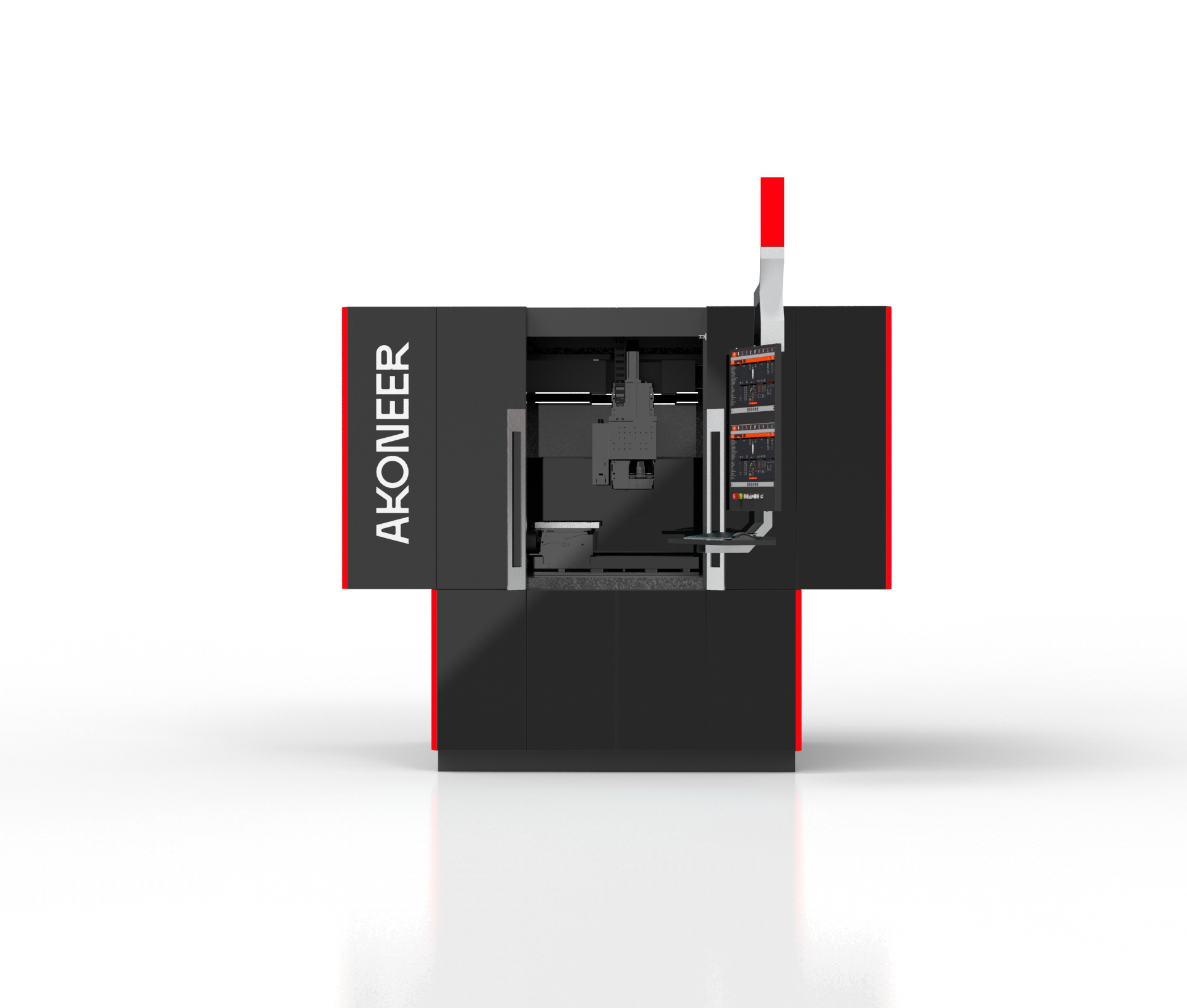
The interplay of light and color in stained glass has enchanted humanity for centuries. From the grand cathedrals of medieval Europe to modern architectural wonders, stained glass continues to captivate us with its beauty and complexity. The advent of laser cutting technology has revolutionized this ancient art form, bringing new possibilities and precision to artists and manufacturers alike.
The evolution of stained glass artistry
Stained glass has a rich history dating back over a millennium. Traditionally, artisans crafted stained glass by hand, cutting glass pieces into specific shapes and joining them with lead strips to form intricate patterns. This painstaking process required a high level of skill, often resulting in long production times and material waste.
With the introduction of laser cutting technology, the creation of stained glass has entered a new era. Laser cutting involves using a high-power laser beam, typically between 2–6 kW, to cut or engrave materials with exceptional accuracy. This technology enables artists to cut complex shapes with minimal effort, reducing production time and material waste while increasing the intricacy and precision of the designs.
How laser cutting works
Laser cutting machines use a focused beam of light to melt, burn, or vaporize material along a predetermined path. A computer-controlled system directs the laser, allowing for precise and repeatable patterns with a kerf as small as 0.1 mm. When applied to stained glass, the laser can cut through the glass with remarkable accuracy, producing edges that are smooth and free of chips.
This technology offers several advantages over traditional glass cutting methods. It facilitates the creation of highly intricate designs that would be challenging to achieve by hand. Additionally, laser cutting can handle a variety of glass types and thicknesses, making it a versatile tool for stained glass artists. By minimizing the risk of breakage and material waste, laser cutting contributes to more sustainable production practices.
Benefits of laser cut stained glass
The precision and efficiency of laser cutting technology have transformed the stained glass industry. Artists can now explore more complex and detailed designs without being constrained by manual techniques. This opens up new creative possibilities, allowing for the integration of intricate patterns and textures that were previously difficult to achieve.
Moreover, laser cutting enhances the consistency and quality of stained glass products. Each piece can be cut to exact specifications, ensuring a perfect fit and uniform appearance. This level of precision is particularly valuable in architectural applications, where consistency and accuracy are paramount. For example, the German company Derix Glass Studios has utilized laser technology to drastically reduce production times and material waste, increasing their output by over 30%.
Another significant advantage is the reduction in production time. Laser cutting accelerates the fabrication process, enabling artists and manufacturers to complete projects more quickly and efficiently. This is particularly beneficial for large-scale installations or projects with tight deadlines.
Applications in modern architecture
The benefits of laser cut stained glass extend beyond artistic endeavors, finding valuable applications in modern architecture. Architects and designers increasingly incorporate stained glass into contemporary buildings, using it to enhance both aesthetic appeal and functional design.
Incorporating stained glass into modern architecture offers a unique way to play with light and space. Laser cutting allows for the creation of custom designs that can be tailored to suit specific architectural requirements. For example, laser cut stained glass can be used in windows, partitions, and facades to filter natural light, creating dynamic visual effects and enhancing the ambiance of interior spaces.
Additionally, laser cut stained glass can be integrated into energy-efficient building designs. By controlling the amount and quality of light entering a space, stained glass can contribute to passive solar heating, reducing the need for artificial lighting and heating. This aligns with the growing emphasis on sustainability and energy efficiency in contemporary architecture.
Challenges and considerations
While laser cutting offers numerous advantages, there are also challenges and considerations to address. One of the primary concerns is the initial cost of acquiring laser cutting equipment. The technology requires a significant investment, which may be prohibitive for some artists or small studios. However, the long-term benefits in terms of efficiency and material savings can offset these initial costs.
Another consideration is the learning curve associated with operating laser cutting machines. Artists and technicians must become proficient in using computer-aided design (CAD) software and understanding the nuances of laser technology, with repeatability as precise as ±0.02 mm. Training and practice are essential to fully leverage the capabilities of laser cutting in stained glass production.
Additionally, while laser cutting minimizes the risk of breakage, working with glass still requires careful handling and attention to safety. Proper protective equipment and safety protocols are essential to ensure a safe working environment.
The future of stained glass art
As laser cutting technology continues to advance, its impact on stained glass artistry is likely to grow. Ongoing developments in laser technology, such as increased power and improved precision, are poised to further enhance the capabilities of laser cut stained glass.
Moreover, as more artists and architects embrace this technology, we can expect to see even more innovative and creative applications of stained glass in both art and architecture. The fusion of traditional craftsmanship with cutting-edge technology promises to keep the art of stained glass alive and evolving, inspiring future generations with its timeless beauty.