Laser cut glass
Laser cutting technology enables efficient and accurate processing of glass, opening new possibilities in various industries.
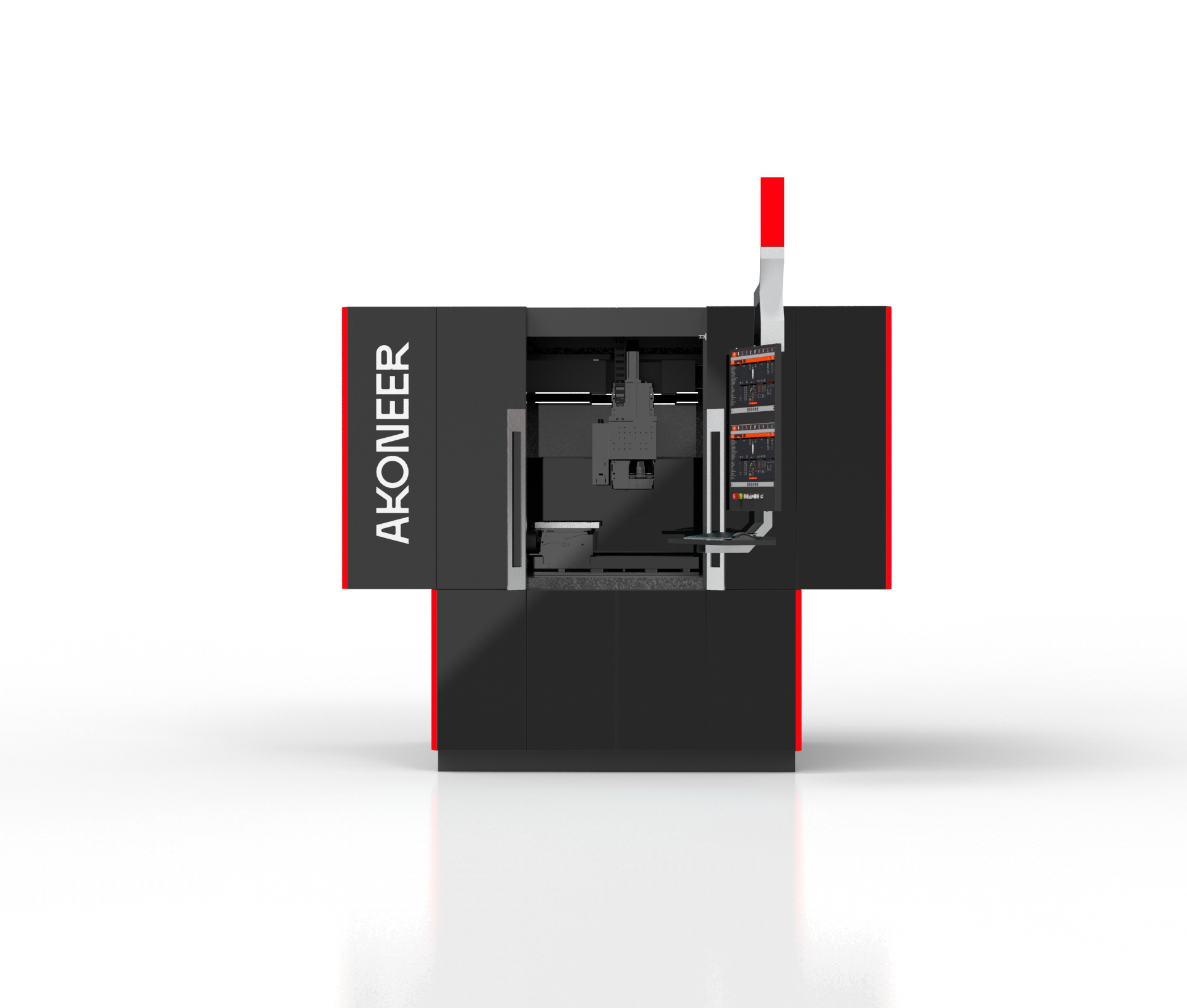
Laser cutting technology has revolutionized various industries by providing precision and efficiency in material processing. Among the materials that benefit significantly from laser cutting is glass. The interaction between laser technology and glass has opened new possibilities in fields ranging from architecture to microelectronics. Understanding the intricacies of laser-cut glass involves examining the technology behind it, its advantages, potential applications, and considerations for its use.
The technology behind laser cutting glass
Laser cutting uses a concentrated beam of light to cut through materials with precision. Cutting glass is more complex due to its brittle nature. The laser focuses on a small area, causing localized heating. Glass is typically cut using CO2 lasers or ultrafast lasers. CO2 lasers emit infrared light absorbed by glass, heating it to fracture along the desired line. Ultrafast lasers deliver pulses at incredibly high speeds, minimizing the heat-affected zone and resulting in cleaner cuts. This precision is crucial, reducing the risk of cracking and ensuring smooth edges. For instance, ultrafast lasers can achieve repeatability of ±0.02 mm, essential for high-precision applications.
Advantages of laser cutting glass
The benefits of using lasers to cut glass are numerous. Precision is a significant advantage, allowing intricate designs and tight tolerances difficult to achieve with traditional methods. Laser cutting is a contactless process, reducing the likelihood of scratches and other surface imperfections. The speed of laser cutting, with cutting rates up to 30 m/min, makes it ideal for mass production. Furthermore, the process is highly automated, reducing labor costs and increasing product consistency. The ability to cut complex shapes without tooling changes is particularly beneficial for custom or small-batch production. A notable example is Corning Incorporated's use of ultrafast lasers to enhance the quality of smartphone glass, reducing waste by 20% and improving throughput by 15%.
Applications of laser cut glass
Laser-cut glass has applications across various industries. In architecture and interior design, it enables the creation of custom glass panels, intricate patterns, and decorative elements that enhance aesthetic appeal. The precision of laser cutting is valuable in the automotive industry, where it produces components like windows and mirrors with exact specifications. In the electronics sector, laser-cut glass is essential for manufacturing items like smartphone screens and microchips, where precision is paramount. The medical industry benefits from laser-cut glass in devices such as lab equipment and diagnostic tools. The versatility of laser-cut glass makes it a crucial component in modern manufacturing and design.
Considerations when laser cutting glass
While laser cutting offers numerous benefits, important considerations must be kept in mind. The type of glass being cut is a critical factor, as different compositions react differently to laser energy. For instance, tempered glass is challenging to cut with lasers due to its pre-stressed nature, which can cause it to shatter under localized heat. The thickness of the glass also affects the laser cutting process, with thicker glass requiring more powerful lasers or multiple passes. Safety is another consideration, as laser cutting produces fumes and particulates that require proper ventilation and filtration. Additionally, the initial cost of laser cutting equipment, which can range from $50,000 to $200,000, is substantial, though often offset by increased efficiency and reduced waste.
Future trends in laser cut glass
The future of laser-cut glass looks promising, with advancements in technology continually expanding its capabilities. Innovations in laser technology, such as more efficient and powerful lasers, are expected to enhance the precision and speed of the cutting process. Increased automation and the integration of artificial intelligence into laser cutting systems are likely to improve efficiency and reduce the need for manual oversight. Additionally, as the demand for customized products grows, laser-cut glass is poised to play a significant role in meeting these needs. The sustainability of laser cutting, with its ability to minimize waste and energy consumption, aligns with the growing emphasis on environmentally friendly manufacturing practices.
Laser-cut glass is a vital technology that bridges the gap between design creativity and manufacturing precision. Its ability to produce intricate designs with high accuracy and efficiency makes it indispensable across various industries. As technology continues to evolve, laser-cut glass will likely become even more integral to modern manufacturing, offering new opportunities for innovation and design. Understanding the technology and its applications is essential for harnessing its full potential and driving future advancements.