Internal laser drilling
Internal laser drilling offers unmatched accuracy and efficiency, transforming manufacturing processes across various industries.
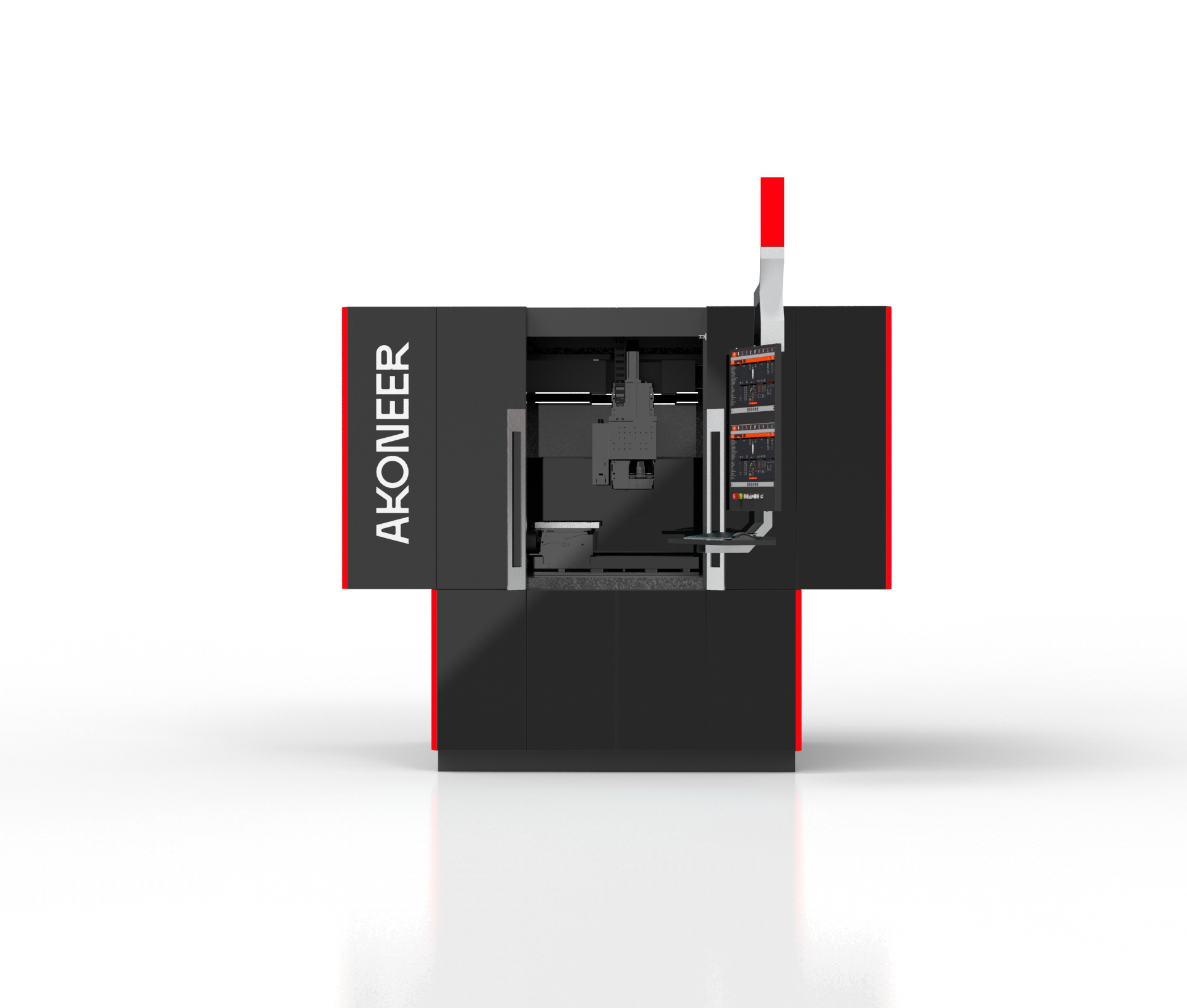
Internal laser drilling represents a significant advancement in precision manufacturing. As industries demand more intricate designs and components, traditional drilling often falls short. Utilizing focused laser beams, this technique offers unmatched precision, efficiency, and versatility. By examining its technology, applications, benefits, and challenges, we can better understand how internal laser drilling is reshaping industries.
The technology behind internal laser drilling
At the core of internal laser drilling is the laser, which emits light via optical amplification based on the stimulated emission of electromagnetic radiation. Unlike traditional methods relying on mechanical force, laser drilling uses focused light beams to heat, melt, or vaporize material. This method is ideal for creating small, precise holes in materials that are difficult to machine with conventional methods.
The laser's wavelength and power are selected based on the material and desired outcome. For instance, ultraviolet lasers are used for minimal thermal impact, while infrared lasers might be chosen for deeper penetration. With precision allowing for holes as small as a few microns, laser drilling is perfect for applications requiring exact specifications. Typically, lasers used in this process range from 2–6 kW, and they can achieve repeatability of ±0.02 mm.
Applications in various industries
Internal laser drilling is used across numerous industries, each benefiting from its unique capabilities. In aerospace, where weight and precision are critical, laser drilling creates cooling holes in turbine blades, enhancing efficiency and extending component life under high temperatures. In the medical field, it's crucial for manufacturing micro-sized components for devices and implants, ensuring they meet stringent standards.
The electronics industry leverages laser drilling for microelectronic components like circuit boards and microchips. The ability to drill precise holes enables more compact and efficient designs, leading to smaller, more powerful devices. For example, a collaboration between Siemens and a major electronics manufacturer utilized laser drilling to increase production speed by 30%, significantly improving output quality.
Advantages over traditional drilling methods
One primary advantage of internal laser drilling is its precision. Traditional methods can suffer from inaccuracies due to tool wear, but laser drilling eliminates physical contact, ensuring consistent results. The process offers greater flexibility, applicable to metals, ceramics, and polymers, often challenging for conventional methods. Automation is easily incorporated, reducing manual intervention and increasing efficiency.
Another significant benefit is reduced material waste. As lasers vaporize material, minimal debris is generated compared to mechanical drilling, reducing cleanup needs and ensuring a cleaner environment. The process can handle steel thicknesses up to 20 mm with cutting speeds of 30 meters per minute.
Challenges and considerations
Despite its advantages, internal laser drilling presents challenges. The initial cost of laser equipment is a significant investment, though long-term benefits often offset this. Thermal effects on drilled material can alter properties, affecting performance. Careful selection of laser parameters and cooling methods is essential to mitigate these effects.
Moreover, skilled operators are needed to handle and maintain laser equipment. Adequate training is vital to maximize the benefits of this technology.
Future prospects and innovations
As technology advances, the capabilities of internal laser drilling are expected to expand. Ongoing research into new laser types and methods promises enhanced precision, reduced costs, and broader material applicability. Innovations in automation and software integration will likely enhance control systems, allowing more complex drilling patterns and improved efficiency.
The potential for integration with other advanced manufacturing technologies, like additive manufacturing, opens new possibilities for creating complex components with previously impossible internal structures.
The impact of internal laser drilling on the industry
Internal laser drilling is more than a technological advancement; it's a catalyst for innovation across multiple sectors. Its ability to deliver precise, efficient, and versatile solutions positions it as a key player in transforming manufacturing processes.
As industries push boundaries, internal laser drilling will undoubtedly play a crucial role in meeting future demands. By embracing this technology, companies can achieve new precision and efficiency levels, ultimately driving progress and competitiveness in their fields.