Intelligent laser engraving machine
Intelligent laser engraving machines enhance production efficiency and quality across industries through advanced automation and adaptability.
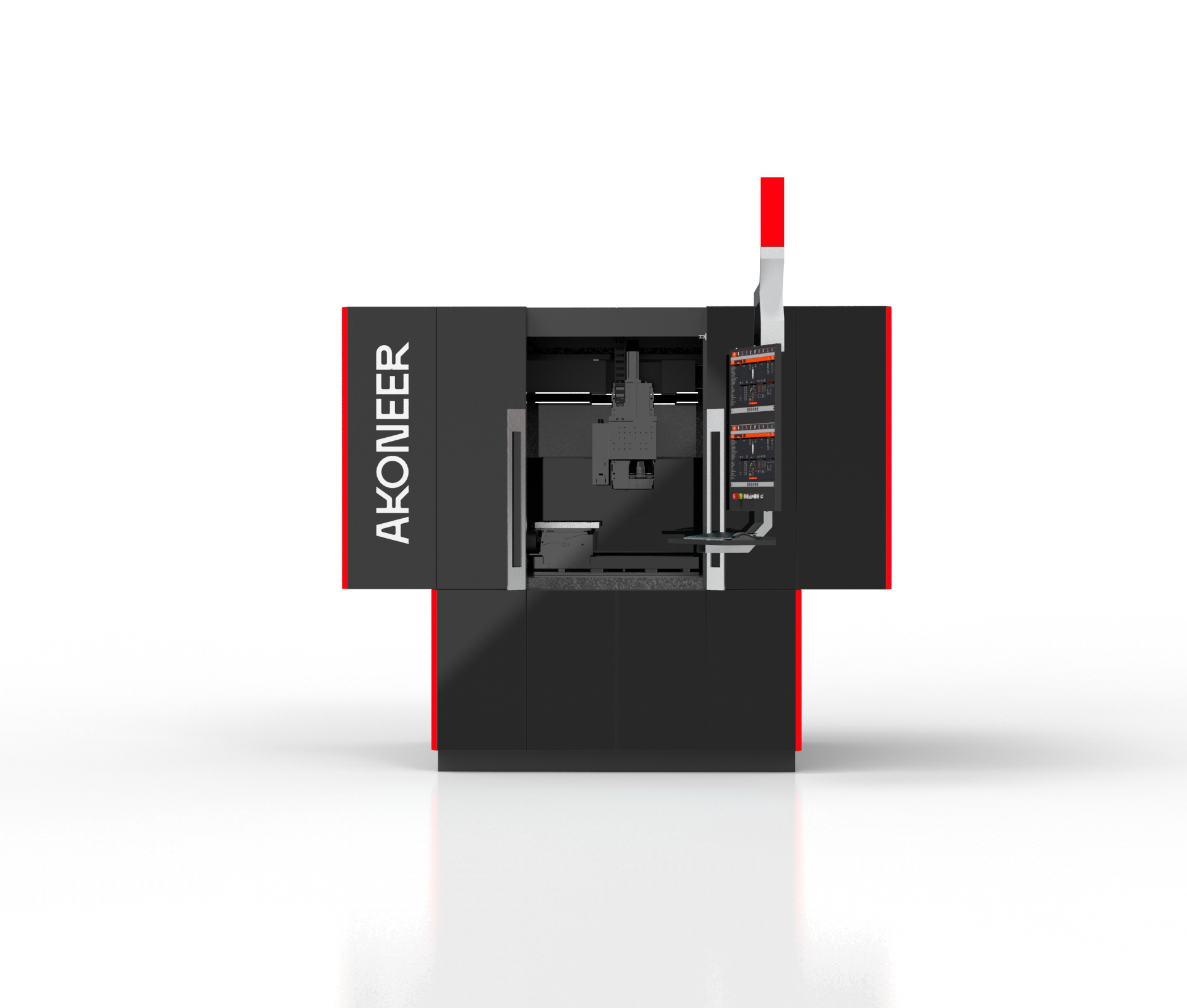
In the realm of manufacturing and customization, laser engraving technology stands out as a game-changer. The evolution from traditional methods to intelligent laser engraving machines marks a significant advancement in how industries approach design, production, and personalization. This article delves into the characteristics, applications, and benefits of these advanced machines, offering insights into their transformative impact on various sectors.
Technological advancements in laser engraving
Intelligent laser engraving machines represent a leap forward in technology, combining precision with automation and data processing capabilities. Unlike their predecessors, these machines utilize advanced software to interpret complex designs and execute them with remarkable accuracy. With repeatability as precise as ±0.02 mm, the integration of artificial intelligence allows for adaptive learning, enabling the machine to adjust settings based on material type, thickness, and design complexity. This adaptability reduces the need for human intervention and ensures consistent quality across production runs.
Furthermore, intelligent laser engravers often come equipped with user-friendly interfaces that simplify the design process. Supporting a wide range of file formats, these systems enable seamless integration with design software like AutoCAD and Adobe Illustrator. The result is a reduction in production time and minimization of errors, contributing to cost savings and increased efficiency. With a cutting speed that can reach up to 30 m/min, production processes are streamlined significantly.
Diverse applications across industries
The versatility of intelligent laser engraving machines makes them invaluable across various sectors. In the automotive industry, they are used for marking parts with serial numbers, logos, and other essential information. This aids in traceability and ensures compliance with industry regulations. In the electronics sector, they label components and circuit boards with precision, a task critical for assembly and quality control processes.
In arts and crafts, these machines enable artists and craftsmen to create intricate designs with ease. With the capability to engrave on diverse materials such as wood, metal, glass, and plastic, a world of possibilities for customized products opens up. Jewelry designers can engrave detailed patterns on metal surfaces, while fashion designers can personalize leather goods with precision and speed.
Benefits of intelligent laser engraving
Intelligent laser engraving machines offer numerous benefits that enhance productivity and product quality. One of the most significant advantages is their precision. The laser technology provides clean and accurate engravings, crucial for industries where detail and clarity are paramount. Moreover, the speed at which these machines operate reduces lead times, allowing businesses to meet tight deadlines and adapt quickly to market demands.
Another benefit is the reduction in waste. Traditional engraving methods often generate significant material waste due to errors and imprecision. Intelligent laser engravers minimize this by ensuring that each cut or engraving is executed perfectly the first time. This conserves resources and contributes to sustainability efforts within manufacturing processes.
Additionally, these machines are designed for longevity and reliability. With fewer mechanical parts subject to wear and tear, maintenance requirements are reduced, resulting in less downtime and lower operational costs. The robust nature of intelligent laser engravers makes them a long-term investment for businesses seeking durable and dependable equipment. For instance, a top electronics manufacturer reported a 25% increase in production efficiency after integrating intelligent laser engravers, thanks to their precision and speed.
Challenges and considerations
Despite their numerous advantages, there are challenges associated with implementing intelligent laser engraving machines. One primary consideration is the initial cost. These machines represent a significant investment, and businesses must assess their needs and potential return on investment before committing. However, the long-term benefits often justify the upfront expense, particularly for companies with high production volumes.
Another challenge is the need for skilled operators. While the machines are designed to be user-friendly, understanding their capabilities and optimizing their use requires training. This involves not only technical skills but also familiarity with design software and production processes. Investing in employee training is essential to fully leverage the potential of these advanced machines.
Future prospects of laser engraving technology
The future of laser engraving technology is promising, with continuous advancements on the horizon. As artificial intelligence and machine learning technologies evolve, intelligent laser engravers will become even more efficient and versatile. We can expect to see further integration with IoT (Internet of Things) devices, enabling real-time monitoring and remote operation, which will enhance productivity and flexibility.
In addition, as the demand for personalized products grows, these machines will play an increasingly central role in customization. The ability to produce bespoke items quickly and efficiently will become a key competitive advantage for businesses in many industries.
In summary, intelligent laser engraving machines are not just tools; they are pivotal in shaping the future of manufacturing and design. Their precision, efficiency, and adaptability make them indispensable assets in a world where customization and quality are paramount. As technology continues to advance, these machines will undoubtedly lead the way in innovation and excellence.