Industrial laser printing
Industrial laser printing is a key technology in manufacturing, offering efficient, durable marking solutions across diverse materials and industries.
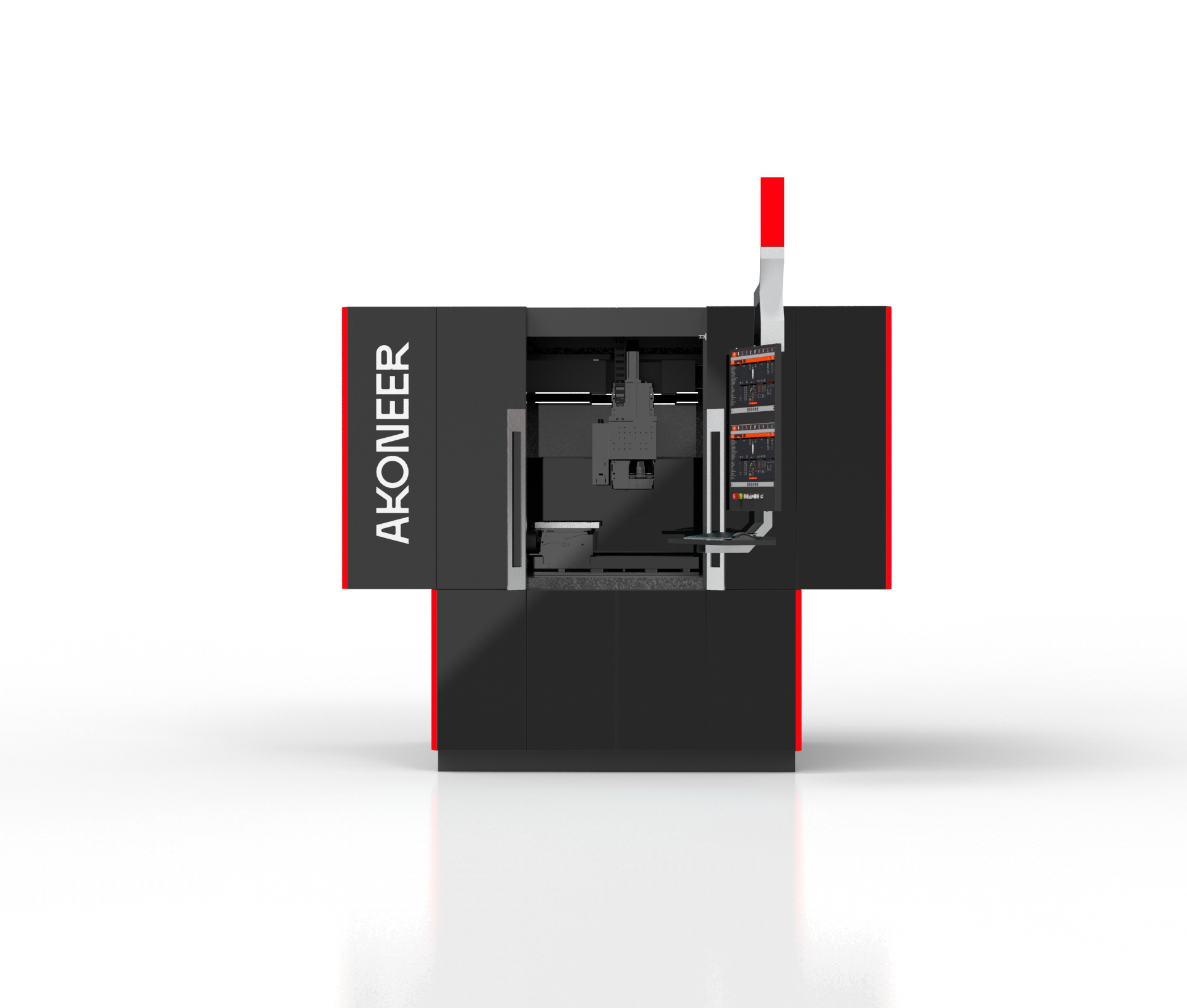
Industrial laser printing has emerged as a transformative technology in the manufacturing sector, leveraging precision and speed to revolutionize how products are marked, customized, and processed. This article delves into its applications, benefits, and future potential, providing a comprehensive understanding of its significance in modern industry.
The role of laser technology in manufacturing
Laser technology has long been essential in manufacturing processes, known for its ability to cut, engrave, and mark with exceptional accuracy. In industrial laser printing, lasers apply detailed markings or designs on various materials, including metals, plastics, and ceramics. The non-contact process means the material isn't physically touched by the machine, reducing wear and tear while ensuring high precision.
Industrial laser printing focuses on creating high-resolution images or text on surfaces. This is achieved through meticulously controlled laser beams that alter the material's surface, either by removing material or changing its color. The precision allows for intricate designs that traditional printing methods struggle to achieve. Typical lasers operate with power levels ranging from 2 to 6 kW, offering repeatability of ±0.02 mm.
Applications across various industries
The versatility of industrial laser printing has led to its adoption across a wide range of industries. In the automotive sector, laser printing marks engine components and electronic parts with serial numbers and barcodes, ensuring traceability and compliance with industry standards. The aerospace industry relies on it for similar purposes, marking parts with crucial identification information.
In the electronics sector, laser printing is essential for labeling circuit boards and components where space is limited and precision is crucial. The medical field benefits from laser printing by labeling medical devices and surgical instruments with permanent, sterile markings. Additionally, the packaging industry uses laser printing to create high-quality, durable labels that withstand environmental challenges.
Advantages over traditional printing methods
Industrial laser printing offers significant advantages over conventional techniques. One major benefit is durability; laser-printed marks resist abrasion, heat, and chemicals, making them ideal for harsh environments. This durability ensures markings remain legible throughout a product's lifecycle, a critical factor in industries where traceability is essential.
Speed and efficiency are also notable advantages. Once a design is programmed, the laser quickly and accurately applies the marking without needing additional materials like inks or solvents. This reduces the cost of consumables and minimizes environmental impact, aligning with sustainability goals in manufacturing. The flexibility of laser printing allows for quick design changes without physical setup, ideal for customized or short-run production.
For instance, a prominent electronics manufacturer adopted laser printing for its circuit boards, achieving a 30% reduction in production time while maintaining high precision, even on intricate designs.
Technological advancements fueling growth
Recent technological advancements have expanded the capabilities of industrial laser printing. Innovations in laser sources, such as fiber lasers, have enhanced the precision and efficiency of marking processes. Fiber lasers offer high beam quality and energy efficiency, suitable for a wide range of materials and applications.
Software developments have also played a crucial role in the evolution of laser printing. Advanced software enables sophisticated design capabilities and integration with other manufacturing systems, allowing for seamless data exchange and process automation. This enhances productivity and reduces the potential for errors.
Additionally, integrating artificial intelligence and machine learning into laser printing systems is beginning to take shape. These technologies can optimize printing processes by analyzing data in real-time and making adjustments to improve quality and efficiency.
Future potential and challenges
The future of industrial laser printing looks promising, with ongoing research and development efforts aimed at expanding its applications and enhancing its capabilities. As industries demand greater precision and efficiency, laser printing is poised to meet these needs with innovative solutions.
However, challenges remain. The initial cost of laser printing equipment can be high, deterring smaller businesses from adopting the technology. Additionally, there is a learning curve associated with mastering laser printing systems. Manufacturers must invest in training and development to fully leverage the benefits of laser printing.
Despite these challenges, the potential benefits are substantial. Industrial laser printing's ability to provide precise, durable, and flexible marking solutions makes it an invaluable tool in modern manufacturing. As technology continues to advance, industrial laser printing is expected to play an even more significant role in shaping the future of production processes.
In summary, industrial laser printing is a versatile and efficient technology that offers numerous advantages over traditional methods. Its applications span multiple industries, and ongoing technological advancements continue to enhance its capabilities. While challenges exist, the future potential of industrial laser printing holds promise for further innovation and growth in the manufacturing sector.