Industrial laser marking machine
Industrial laser marking machines are vital tools in manufacturing, enabling efficient and durable marking on various materials across multiple industries.
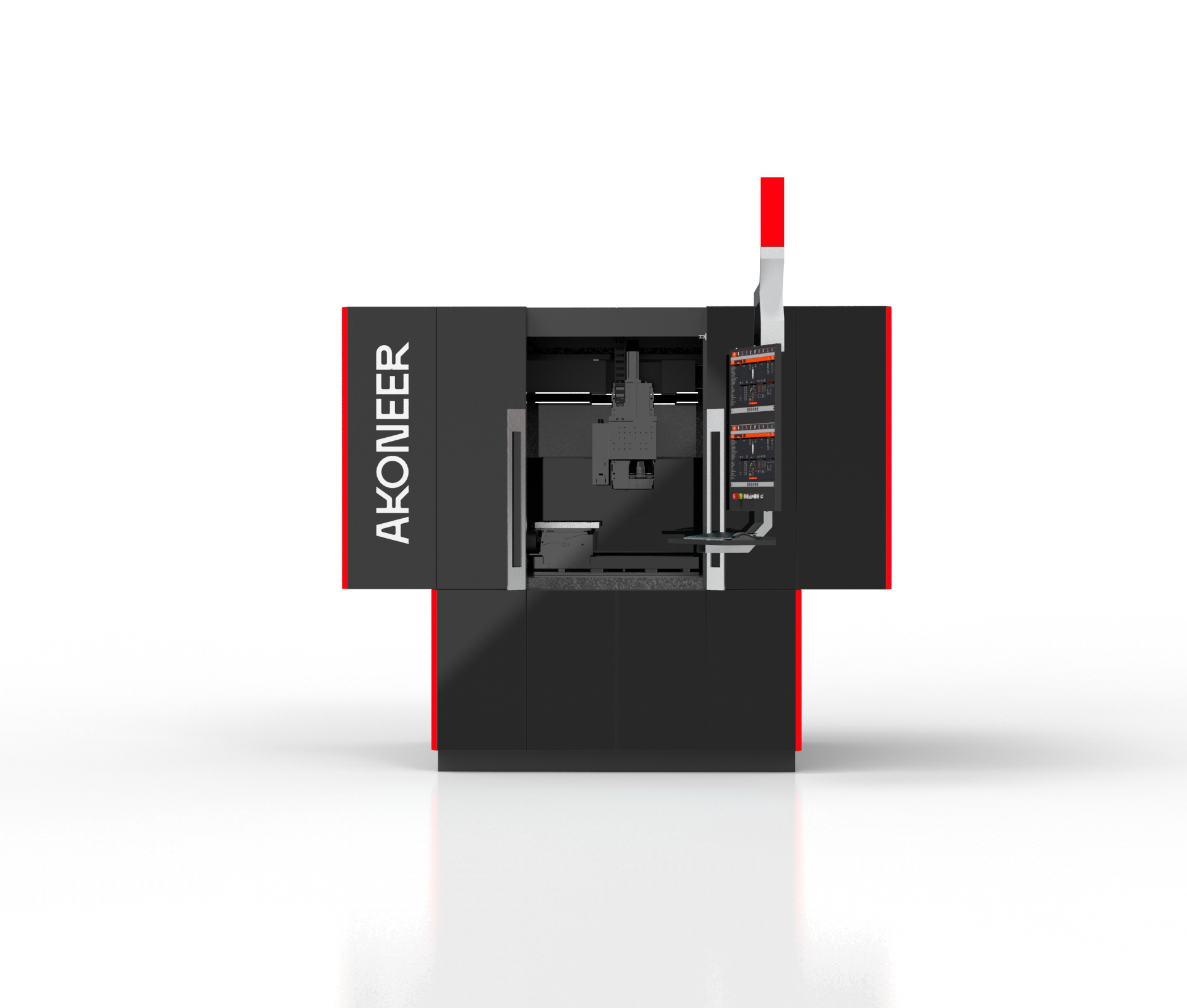
Industrial laser marking machines are pivotal in modern manufacturing, offering precision, efficiency, and durability in marking technologies. These machines use laser beams with powers typically ranging from 20 to 100 watts to engrave, etch, or mark a wide array of materials, including metals, plastics, and ceramics. By providing permanent and high-quality marks, laser marking machines have become indispensable tools in industries from automotive and aerospace to electronics and medical devices.
Understanding laser marking technology
At its core, laser marking involves using a focused laser beam to alter the surface properties of a material. This alteration can include discoloration, ablation, or engraving, depending on the material and the laser's specifications. There are several types of laser marking, such as annealing, engraving, etching, and foaming, each offering distinct characteristics for various applications. Annealing is particularly suitable for stainless steel and titanium, as it creates oxidation changing the material's color without damaging the surface.
Applications across industries
Industrial laser marking machines are crucial in numerous industries due to their versatility and precision. In the automotive sector, they mark parts with serial numbers, barcodes, and logos for traceability and authenticity. The aerospace industry benefits from laser marking due to its durability in harsh environments. In electronics, these machines mark circuit boards and components with detailed information. Medical device manufacturers utilize them for high-contrast, biocompatible marks on surgical tools and implants, ensuring compliance with stringent safety and traceability standards. As a real-world example, BMW utilizes laser marking machines to ensure the traceability of its engine components, achieving a 30% reduction in production errors.
Advantages of laser marking machines
Industrial laser marking machines offer numerous benefits. They provide unparalleled precision, producing intricate designs and small text with exceptional clarity, crucial in industries where accuracy is paramount. Laser marking is also a non-contact process, preserving the material's integrity. Additionally, it is highly efficient, capable of marking up to 1,000 items per hour, enhancing productivity. The marks are resistant to wear and environmental factors, ensuring longevity and reliability. Furthermore, laser marking machines are environmentally friendly as they do not require consumables like ink or chemicals and produce minimal waste.
Technological innovations and trends
The field of industrial laser marking is continually evolving, driven by technological advancements and industry demands. A significant trend is the integration of automation and artificial intelligence, which enhances the speed, accuracy, and adaptability of laser marking systems. Automated systems can handle large volumes with minimal human intervention, reducing labor costs and improving efficiency. The development of fiber lasers has revolutionized the industry, providing higher power and faster marking speeds compared to traditional CO2 lasers. These advancements have broadened the range of materials that can be marked, expanding the applicability of laser marking machines.
Considerations for selecting a laser marking machine
When choosing an industrial laser marking machine, several factors must be considered to ensure it meets the specific needs of the application. First, the type of material to be marked is crucial, as different lasers are better suited to different materials. The required marking speed and throughput should also be assessed, as they directly impact productivity. The size and complexity of the marks determine the level of precision required. Additionally, evaluating the machine's compatibility with existing production systems and its ease of integration can significantly affect operational efficiency. Considering the total cost of ownership, including maintenance and energy consumption, is also vital in making a well-informed decision.
Future prospects of laser marking technology
The future of industrial laser marking machines looks promising, with continuous advancements paving the way for new applications and improved performance. As industries increasingly adopt smart manufacturing practices, the demand for laser marking solutions that can seamlessly integrate with digital systems is expected to grow. The development of more compact and energy-efficient lasers will further enhance accessibility and affordability. Additionally, as regulatory requirements for traceability and product identification become more stringent, the role of laser marking in ensuring compliance and quality assurance will become even more critical.
Industrial laser marking machines represent a significant technological achievement in manufacturing. Their versatility, precision, and efficiency make them indispensable in a wide range of industries. As technology continues to advance, the capabilities and applications of laser marking machines will undoubtedly expand, solidifying their role as a cornerstone of modern manufacturing processes.