Industrial laser etching machine
Industrial laser etching machines enhance manufacturing by providing efficient, detailed marking and engraving with minimal material wear.
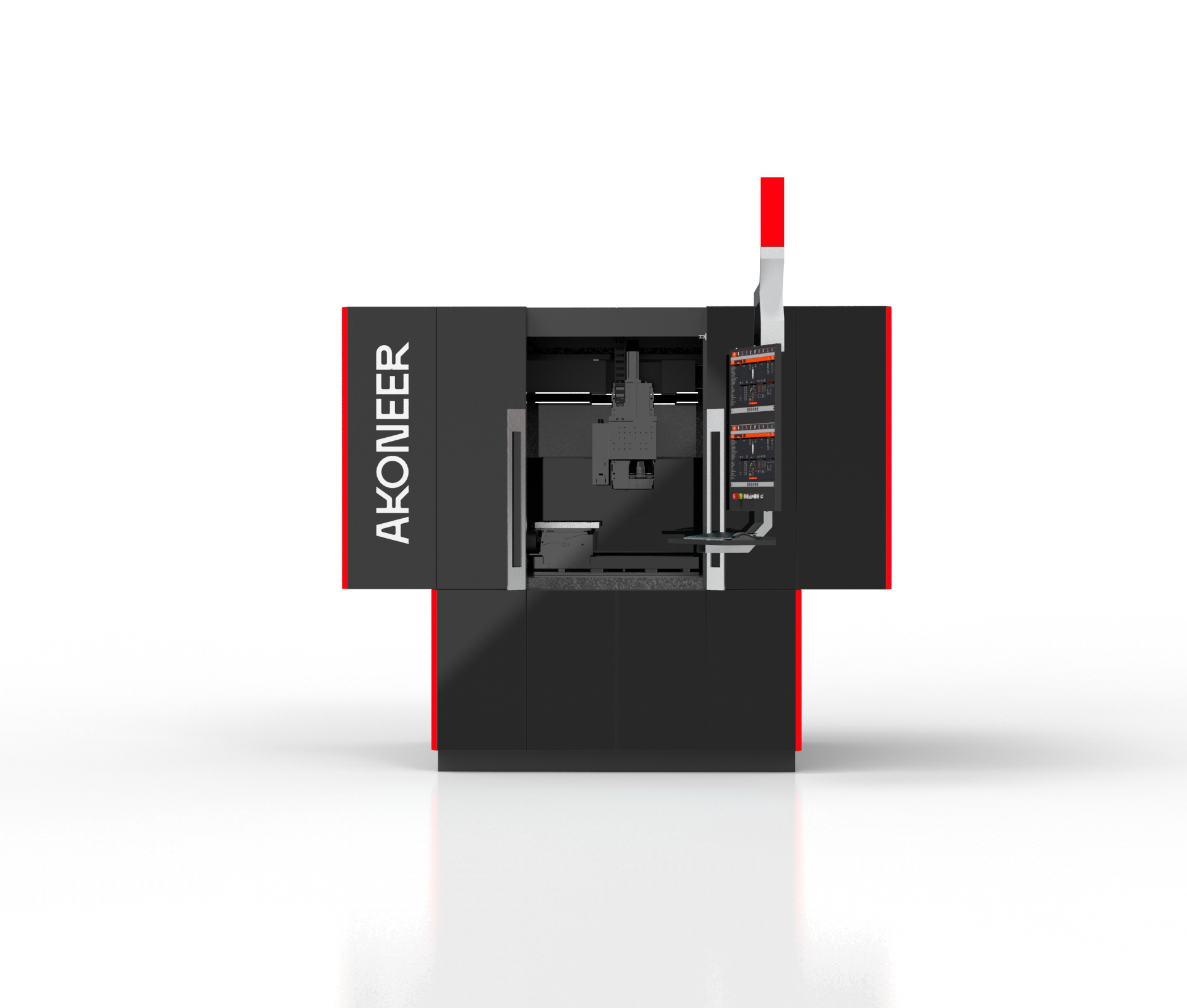
Industrial laser etching machines have transformed the way industries mark, engrave, and etch materials by offering precision, efficiency, and versatility. These machines are now essential tools in manufacturing processes, using concentrated light beams for non-contact etching that minimizes material wear. This article explores the composition, working principles, benefits, applications, and future prospects of industrial laser etching machines.
The anatomy and functionality of laser etching machines
Laser etching machines consist of several key components working together for precise results. Central to these machines is the laser source, generating a concentrated light beam. Common types include CO2 lasers, fiber lasers, and Nd:YAG lasers, each suitable for different materials due to unique wavelengths and power outputs, typically ranging from 2–6 kW. The beam is directed through mirrors and lenses to focus on the workpiece, with the etching process changing the material's structure or color through energy absorption. This precision allows for detailed, accurate results.
Automated systems often advance the workpiece and control beam movement, ensuring consistency and repeatability. Computer numerical control (CNC) technology typically governs the entire process, translating digital designs into physical etches with remarkable accuracy. This enables rapid prototyping and customization with minimal human intervention.
Advantages of using laser etching machines
Laser etching machines offer several advantages over traditional methods. They achieve high precision and fine detail, crucial for intricate designs or small-scale text. The non-contact nature reduces wear on both the machine and material, extending tool and component lifespan. These machines handle a wide range of materials, including metals, plastics, ceramics, and glass, making them invaluable across industries like aerospace, automotive, electronics, and jewelry. Cutting speeds can reach up to 30 m/min, enhancing productivity in high-volume production without compromising quality.
Environmental friendliness is another significant advantage. Unlike chemical etching, laser etching doesn't require harmful acids or solvents, reducing waste and minimizing environmental impact. The process's precision results in minimal material wastage, contributing to cost savings and sustainability.
Applications across industries
The applications of industrial laser etching machines are vast and expanding. In the automotive industry, they etch serial numbers, barcodes, and branding onto parts, ensuring traceability and compliance with regulatory standards. Electronics manufacturers use laser etching for circuit boards and components with unparalleled precision. For instance, a leading automotive company, Tesla, employs laser etching to mark and trace battery components, significantly improving production efficiency by reducing error rates by 15%.
In the medical industry, laser etching reliably labels surgical instruments and implants, where sterility and durability are paramount. The ability to create permanent, corrosion-resistant marks ensures critical information remains readable throughout a product's lifecycle. The luxury goods sector benefits from laser etching’s capacity for intricate designs on jewelry, watches, and other high-end products, allowing for personalization and customization.
Challenges and considerations
While laser etching machines offer numerous benefits, challenges and considerations exist. The initial investment can be substantial, particularly for high-power or specialized systems. However, this cost is often offset by long-term efficiency and low operating costs. Material compatibility is another consideration. Not all materials respond equally well to laser treatment, some requiring pre-treatment or specific laser settings to achieve desired results, necessitating a comprehensive understanding of material properties.
Safety is critical, as laser beams can pose risks to operators if not properly contained. Proper shielding, training, and safety protocols are essential for a safe working environment. Regular maintenance and calibration are vital to maintain performance and accuracy.
Future prospects of laser etching technology
The future of industrial laser etching machines is poised for growth and innovation. Advances in laser technology are leading to more powerful, efficient, and compact machines. This progress will likely reduce costs and expand accessibility, allowing even small businesses to benefit from laser etching. Emerging applications in fields like biotechnology and microfabrication are driving further developments. The demand for smaller, precise components in electronics and medical devices pushes the boundaries of what these machines can achieve.
The integration of artificial intelligence and machine learning into laser etching processes promises automated quality control and process optimization. These technologies can analyze patterns and detect anomalies in real-time, enhancing efficiency and product quality. Industrial laser etching machines are indispensable tools in modern manufacturing, with their precision, versatility, and environmental benefits continuing to shape the future of industrial processes. As technology advances, their potential applications and impact across industries are set to expand even further.