Industrial laser engraving machine
Industrial laser engraving machines enhance manufacturing efficiency and versatility by employing focused light beams to craft intricate designs across various materials.
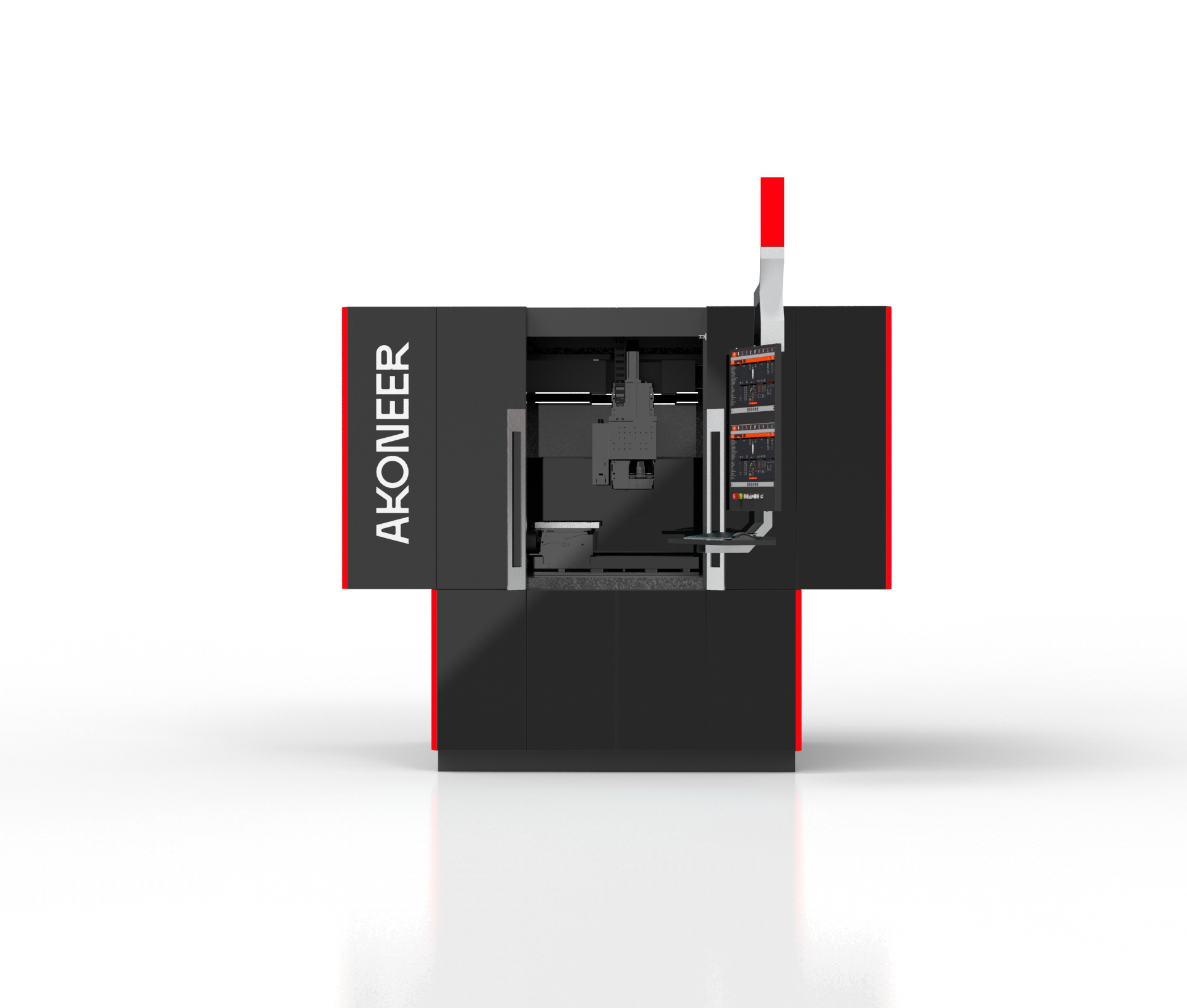
The industrial laser engraving machine is a pivotal tool in modern manufacturing and artistry, renowned for its precision, speed, and versatility. This article delves into the various aspects of these machines, from their basic functions and working principles to their applications in diverse industries. By exploring the technological advancements and benefits of laser engraving machines, one can appreciate their impact on efficiency and productivity in industrial settings.
Understanding laser engraving technology
Laser engraving technology employs a focused beam of light to remove material from a surface, creating intricate designs or text. Mirrors or optical fibers direct the beam, allowing for precise patterns. This non-contact process reduces wear on both the machine and the workpiece. Modern laser engravers come with sophisticated software for detailed designs. The main components include the laser source, generating the beam, and the motion control system, guiding it across the workpiece. The type of laser, such as CO2, fiber, or YAG, determines the materials that can be engraved and the engraving depth. CO2 lasers typically handle non-metals like wood, acrylic, and glass, while fiber lasers are suitable for metals and plastics. These machines often feature power ranges from 2 to 6 kW, with a kerf of approximately 0.1 mm and repeatability of ±0.02 mm.
Applications across industries
Industrial laser engraving machines find applications across various industries, each leveraging the technology for unique benefits. In manufacturing, companies use these machines for marking parts with barcodes, serial numbers, or logos, enhancing traceability and brand identity. For instance, a leading automotive manufacturer uses laser engraving to mark parts and components, ensuring each piece is identifiable and trackable through the supply chain. This process improved their traceability by 25% while reducing error rates. In the electronics sector, laser engraving marks circuit boards and components with precision, ensuring each piece meets stringent quality standards. The medical industry benefits from laser engraving for marking surgical instruments and devices where durability and legibility are crucial. Additionally, the jewelry industry uses laser engraving to personalize pieces with intricate designs and text, offering customers bespoke creations.
Advantages of laser engraving machines
Industrial laser engraving machines offer numerous advantages. Their precision creates detailed and complex designs with unmatched accuracy, essential in industries like aerospace and electronics. With cutting speeds reaching up to 30 m/min, laser engraving significantly reduces production times, allowing high-volume runs while maintaining consistent quality. The non-contact nature minimizes material and machine wear, leading to lower maintenance costs and longer machine life. Furthermore, laser engraving is environmentally friendly, producing minimal waste and featuring energy-efficient machines. The versatility of laser engravers enables them to work with a variety of materials, from metals and plastics to glass and leather.
Considerations when selecting a laser engraving machine
When choosing an industrial laser engraving machine, several factors must be considered to ensure it meets specific business needs. The material type is crucial, as different lasers suit different materials. Consider the required detail level and production volume, as some machines are better for high-detail work or high-volume production. The work area's size determines the material size that can be engraved. Additionally, the laser's power influences engraving speed and depth, so matching power to the application is vital. Budget constraints play a role, as higher-end machines with more features generally cost more. However, investing in quality can lead to long-term savings through increased efficiency and reduced maintenance costs.
Future trends in laser engraving technology
The future of industrial laser engraving machines promises exciting advancements. Automation and artificial intelligence integration can further enhance precision and efficiency, reducing human error and increasing production speeds. The development of more compact and portable laser engraving machines expands accessibility for smaller workshops and on-site applications. As technology advances, the cost of these machines is likely to decrease, making them more affordable for small businesses and entrepreneurs. Additionally, there's a growing emphasis on sustainability, with manufacturers striving to develop greener technologies, including energy-efficient machines and processes that minimize environmental impact, aligning with global efforts to reduce carbon footprints.
In summary, industrial laser engraving machines are a cornerstone of modern manufacturing, offering precision, efficiency, and versatility across various industries. As technology evolves, these machines will undoubtedly become even more integral to production processes, driving innovation and efficiency in the industrial landscape.