Industrial laser marking machine manufacturer
Industrial laser marking machines are essential in manufacturing for engraving, etching, and marking a variety of materials with accuracy and efficiency.
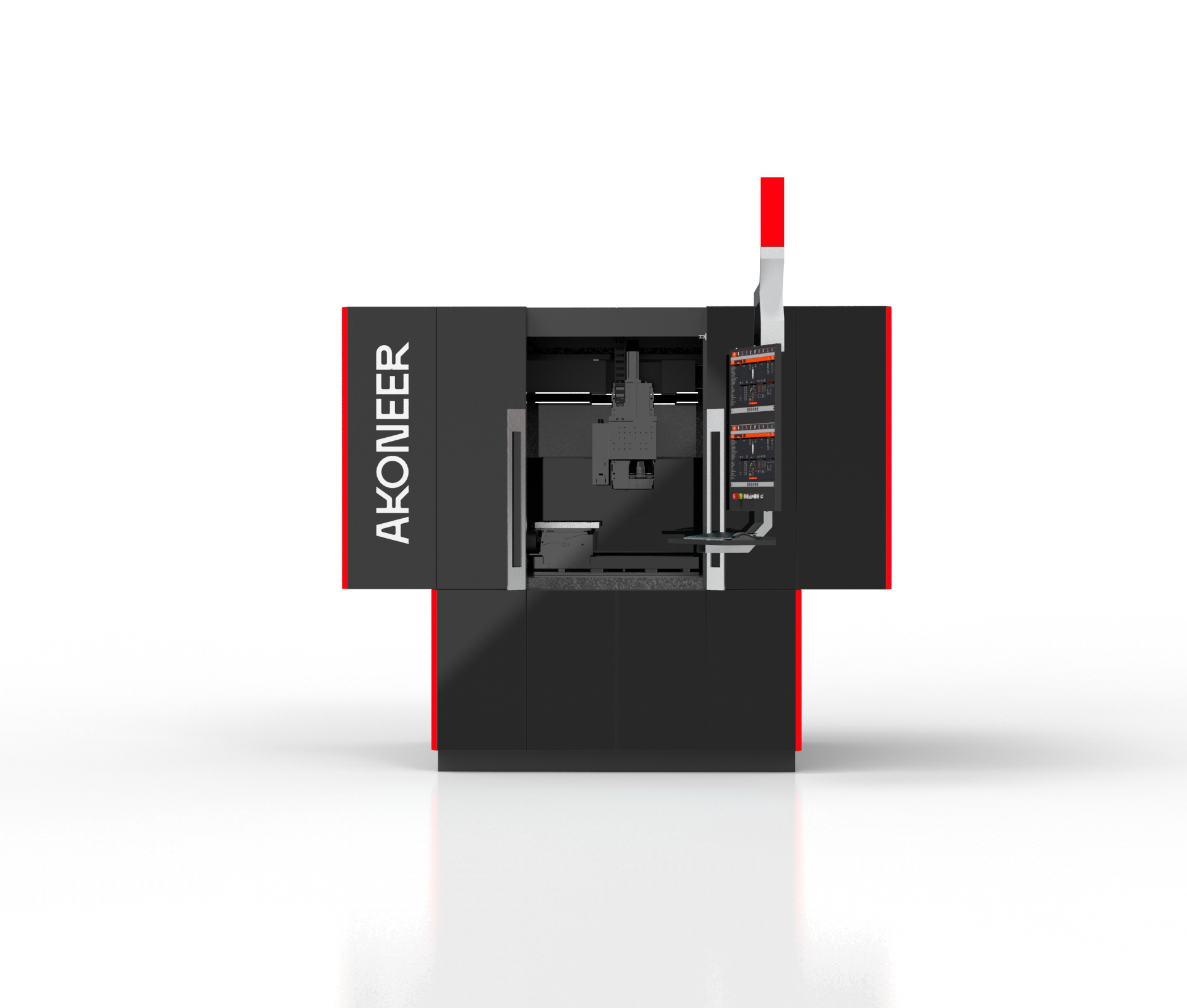
Industrial laser marking machines have become essential tools in modern manufacturing. Their precision in engraving, etching, and marking a wide range of materials has made them indispensable for industries from aerospace to consumer electronics. As a manufacturer, understanding the technology, applications, and advantages of these machines is crucial for thriving in today's competitive markets.
The technology behind laser marking machines
Laser marking machines use a focused beam of light to create permanent marks on material surfaces. The technology relies on the interaction between the laser and the substrate to achieve effects like engraving, annealing, or foaming. Depending on the application's needs, different lasers are used, including fiber, CO2, and UV lasers.
Fiber lasers, for instance, offer high efficiency and can mark metals and plastics with remarkable precision, operating at a wavelength easily absorbed by these materials. They can achieve repeatability of ±0.02 mm, crucial for applications where speed and accuracy are vital. CO2 lasers are ideal for marking organic materials such as wood and leather, operating at a wavelength that these substrates absorb well. UV lasers provide a cold marking process, beneficial for sensitive materials like glass and certain plastics.
Applications across industries
The versatility of laser marking machines is evident in their widespread use across various industries. In the automotive sector, they mark components with serial numbers, barcodes, and QR codes, ensuring traceability and compliance with standards. The aerospace industry uses laser marking for parts identification and inventory management, where precision and durability are paramount.
In the medical field, laser marking engraves surgical instruments and medical devices with unique identifiers, ensuring regulatory compliance and enhancing patient safety. The electronics industry leverages laser marking for branding and component identification, benefiting from the technology's ability to produce high-resolution marks on small surfaces.
Advantages of laser marking technology
Laser marking machines offer several advantages over traditional methods. A significant benefit is the non-contact process, which minimizes equipment wear and reduces maintenance costs. The precision of laser marking ensures high-quality, consistent results, even with intricate designs and complex shapes. With cutting speeds up to 30 m/min, lasers provide efficient production without sacrificing quality.
The permanence of laser marks is another advantage, as they resist fading, abrasion, and harsh environmental conditions. This durability is crucial in industries where parts face extreme temperatures, chemicals, or physical stress. Additionally, laser marking is environmentally friendly; it doesn't require inks, chemicals, or consumables, reducing waste and contamination. This aligns with the growing emphasis on sustainable manufacturing practices.
Challenges and considerations
While laser marking technology offers numerous benefits, manufacturers must address certain challenges. The initial investment can be substantial, although long-term savings in maintenance and consumables often justify the cost. Selecting the right type of laser requires careful consideration of factors like material type, desired mark quality, and production speed.
Operators must be properly trained to ensure safe and efficient equipment use. High-energy laser beams can pose safety risks if mishandled. Implementing appropriate safety measures and protocols is essential to protect workers and maintain compliance with occupational safety regulations.
Future trends in laser marking
The future of laser marking technology looks promising, with ongoing advancements and innovations. The integration of automation and artificial intelligence is expected to enhance the capabilities of laser marking machines, allowing for greater customization and flexibility in production processes. The development of more energy-efficient lasers and improved beam quality will expand the range of applications and materials that can be marked.
A real-world example is the implementation by Siemens in their electronics division, where laser marking technology reduced the defect rate by 25% and improved production speed by 15%. As industries continue to demand higher precision and efficiency, manufacturers are likely to focus on developing machines that deliver even faster production speeds without sacrificing quality. The trend towards miniaturization in electronics and medical devices will also drive the need for marking solutions capable of producing microscopic marks with exceptional clarity.
In summary, industrial laser marking machines have cemented their place as vital tools in modern manufacturing. Their precision, versatility, and efficiency make them an attractive option for a wide range of industries. As technology continues to evolve, manufacturers must remain informed and adaptable to leverage the full potential of laser marking solutions in an ever-changing market landscape.