How to laser etch glass
Industrial laser marking machines are essential in manufacturing for engraving, etching, and marking a variety of materials with accuracy and efficiency.
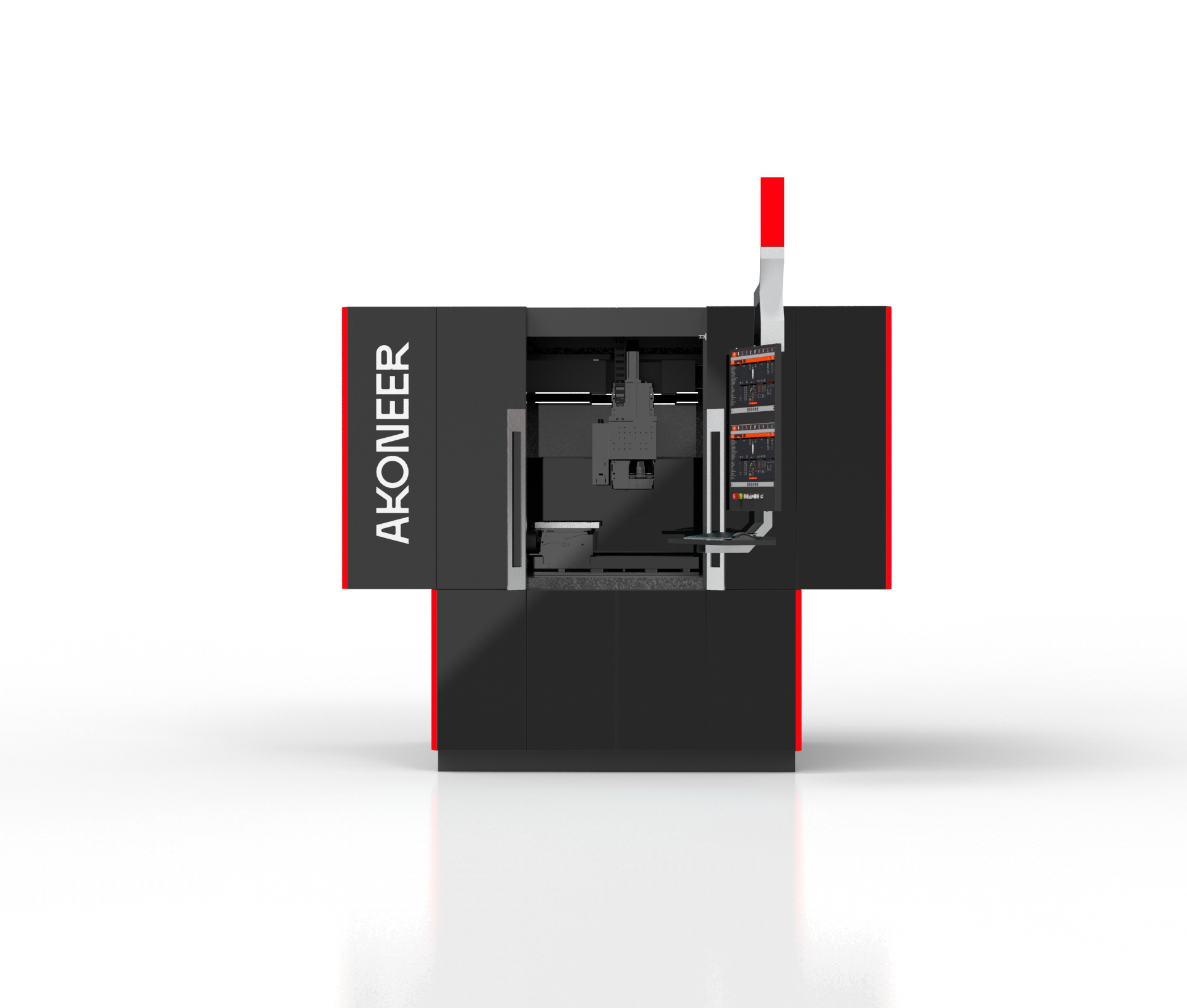
Laser etching on glass has become a popular technique for customizing and personalizing items, from decorative pieces to corporate gifts. This method involves using a laser beam to etch or engrave designs onto the glass surface. While glass etching may seem complex, understanding the fundamental principles and processes can make it accessible even to beginners.
Understanding the basics of laser etching
Laser etching is a subtractive manufacturing process that employs a focused laser beam to remove material from an object's surface. For glass, the laser creates microfractures, resulting in a frosted look. Its precision allows for detailed designs, making it ideal for intricate artwork and text.
The most common laser for etching glass is the CO2 laser. It emits light in the infrared spectrum, absorbed by the glass, causing microscopic fractures. The power, usually in the range of 40 to 60 watts, and speed of the laser can be adjusted for different effects, from light frosting to deeper etching. Repeatability of ±0.02 mm ensures consistent quality.
Choosing the right equipment
Equipment choice is crucial for successful laser etching. A CO2 laser machine with a power range of 40 to 60 watts generally suffices for most glass etching projects. More powerful lasers are suitable for thicker glass or detailed designs, though they require more skill to operate.
Consider the machine's working area size, as a larger area offers more flexibility in design. A quality motion control system ensures precise, repeatable results. Safety is also critical. Laser etching generates fumes and glass particles, so proper ventilation and protection are essential. Machines often come with built-in ventilation systems, but additional safety gear like goggles and masks is recommended.
Preparing the glass surface
Before etching, ensure the glass surface is clean and free of debris. Dirt or oils can interfere with the laser's effectiveness. Clean the glass with mild detergent and water, then rinse and dry with a lint-free cloth.
Use masking tape to protect areas not to be etched, especially in multi-color or layered projects. Apply the tape to protected areas and remove it post-etching. Beginners should practice on scrap glass to refine techniques and settings.
Designing for laser etching
Design plays a significant role in the laser etching process. Simple designs with bold lines and contrasts work best, as fine details are harder to reproduce. Text should be legible, and designs should avoid excessive intricacy.
Specialized software for laser engraving can create and edit designs, allowing users to adjust size, orientation, and engraving depth. Ensure the design is compatible with the laser machine's specifications, particularly regarding file format and resolution.
The etching process
Once the design is finalized and the glass prepared, the etching process can begin. Place the glass in the laser machine and upload the design file to the software. Adjust power, speed, and frequency settings based on glass type and desired effect. Starting with a low-power setting and gradually increasing it is often effective.
The laser follows the design path, etching the glass surface as specified. Depending on the design's complexity and the glass's thickness, the process can take from a few minutes to several hours. Monitoring is essential to ensure correct progress. Adjustments can be made mid-process if necessary, but this requires experience.
Post-etching considerations
After etching, inspect the glass to ensure the design is correct. Clean any remaining debris with a soft brush or cloth. If the etching is not as deep or defined as desired, a second pass may be needed, but proceed cautiously to avoid damage.
Remove the masking tape and polish the glass to enhance the etched design's appearance. A glass cleaner can remove fingerprints or smudges, leaving the product ready for display or use.
Applications and benefits of laser etching glass
Laser etching on glass is used across industries, from personalized gifts and awards to architectural elements and artistic installations. Its precision and versatility suit both small-scale projects and large production runs. A notable example is the use by companies like Crystal D, which has significantly reduced production time, improving output by 30% while maintaining high-quality standards.
The main advantage is the ability to produce permanent, high-quality designs without inks or additional materials, making it cost-effective and environmentally friendly. Understanding the process of laser etching glass opens up creative possibilities. With the right equipment, preparation, and design, anyone can achieve professional results, adding personalization and artistry to glass products.