How to laser engrave glass
Learn how laser engraving on glass can turn ordinary items into personalized creations with endless customization possibilities.
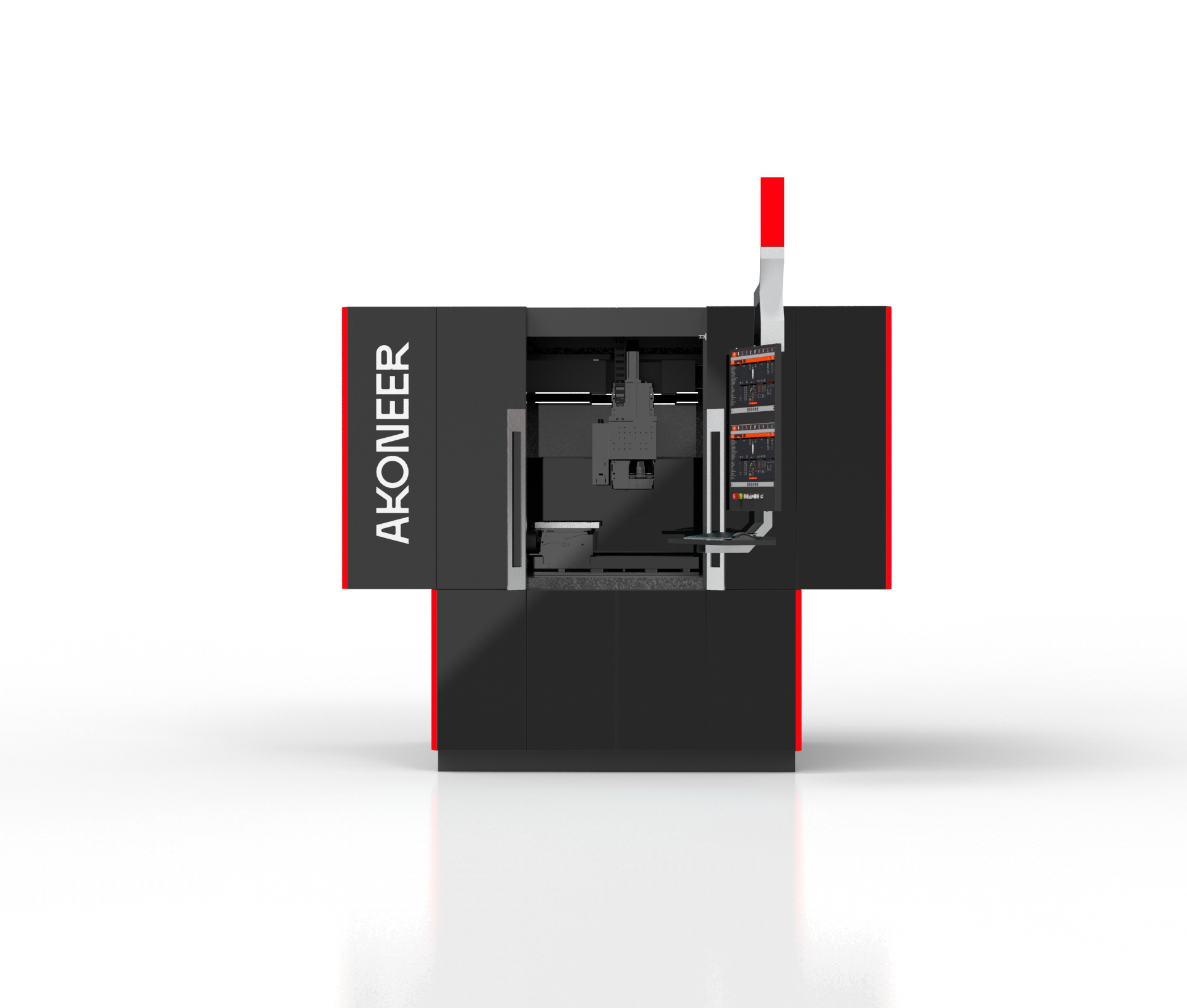
Laser engraving on glass can transform everyday items into personalized works of art. This process combines precision technology with creative design, offering endless opportunities for customization. Whether you are a business owner looking to offer bespoke products or an enthusiast eager to explore new crafting techniques, understanding how to effectively laser engrave glass is essential.
Understanding the basics of laser engraving on glass
Laser engraving on glass involves using a laser beam to etch designs into the surface of glass items. The laser beam is a concentrated burst of energy that removes a thin layer of the glass surface, creating a frosted appearance. Unlike traditional methods, laser engraving is non-contact, meaning the glass is altered without any physical contact, reducing the risk of cracks. The type of laser typically used is a CO2 laser, favored for its ability to produce high-quality engravings on various materials, including glass. CO2 lasers generally operate at power levels ranging from 30 to 120 watts, with a kerf of about 0.1 mm. Settings such as power and speed, often around 300 mm/s, are adjusted based on the glass type and desired effect. Understanding these settings is crucial to achieving the best results without damaging the glass.
Preparing your glass and work area
Preparation is a critical step in laser engraving. Before beginning, the glass surface should be meticulously cleaned to remove dust, oils, or contaminants. These impurities can affect the engraving quality and lead to uneven results. A simple solution of water and mild detergent can be used, followed by a thorough rinse and drying with a lint-free cloth. The work area must accommodate the laser machine and ensure safety. Adequate ventilation is necessary as engraving can produce fumes and small particles. The laser machine should be placed on a stable surface and checked for wear or malfunction. Safety goggles specific to the laser’s wavelength are also recommended to protect the eyes from accidental exposure.
Choosing the right design and software
The design is a critical component of the engraving process. It's important to select a design that complements the glass item. Complex designs may require advanced software and a higher skill level but can result in stunning engravings. Simpler designs are easier to execute and often preferred for beginners. Design software like Adobe Illustrator, CorelDRAW, or laser-specific programs is used to create or modify the design before it is sent to the engraver. The design must be converted into a compatible format like .ai or .dxf, with accurate dimensions to ensure it fits perfectly on the glass surface.
Executing the engraving process
Once the design is finalized, it is uploaded to the laser machine's control system. The glass is placed in the machine's work area, usually on a specialized tray or jig to hold it securely in place. The machine's settings, including speed and power, are adjusted according to the glass type and design intricacy. A test run on a scrap piece of glass can help verify that the settings are correct. During engraving, the laser beam moves over the glass according to the design instructions. The machine's precision ensures consistent and accurate engraving, matching the original design. Monitoring the process is important to prevent issues like misalignment or excessive heat buildup. Companies like Laser Engraving Solutions have reduced production times by 30% while maintaining high-quality standards with CO2 laser engravers.
Finishing and caring for your engraved glass
After engraving, the glass may require additional cleaning to remove dust or residue. A soft brush or compressed air can gently remove these particles. If necessary, a final clean with water and a lint-free cloth will ensure the glass shines. Proper care of engraved glass is essential to maintain its appearance. Avoid abrasive cleaners or harsh chemicals that can damage the etched design. Regular gentle cleaning will preserve the engraving and keep the glass looking its best.
Applications and opportunities
Laser engraving on glass opens a wide range of applications, from creating personalized gifts and awards to customizing home décor and business branding. It allows for unique personal touches on items such as wine glasses, mirrors, and glassware. For businesses, offering laser-engraved glass products can differentiate services and appeal to customers seeking personalized options. With the advancement of laser technology, the possibilities for creative expression and business opportunities continue to grow. By mastering the technique of laser engraving on glass, individuals and businesses alike can explore new avenues of artistry and profit.