Glass laser tube
Glass laser tubes are essential for efficient and adaptable laser cutting and engraving across diverse industries.
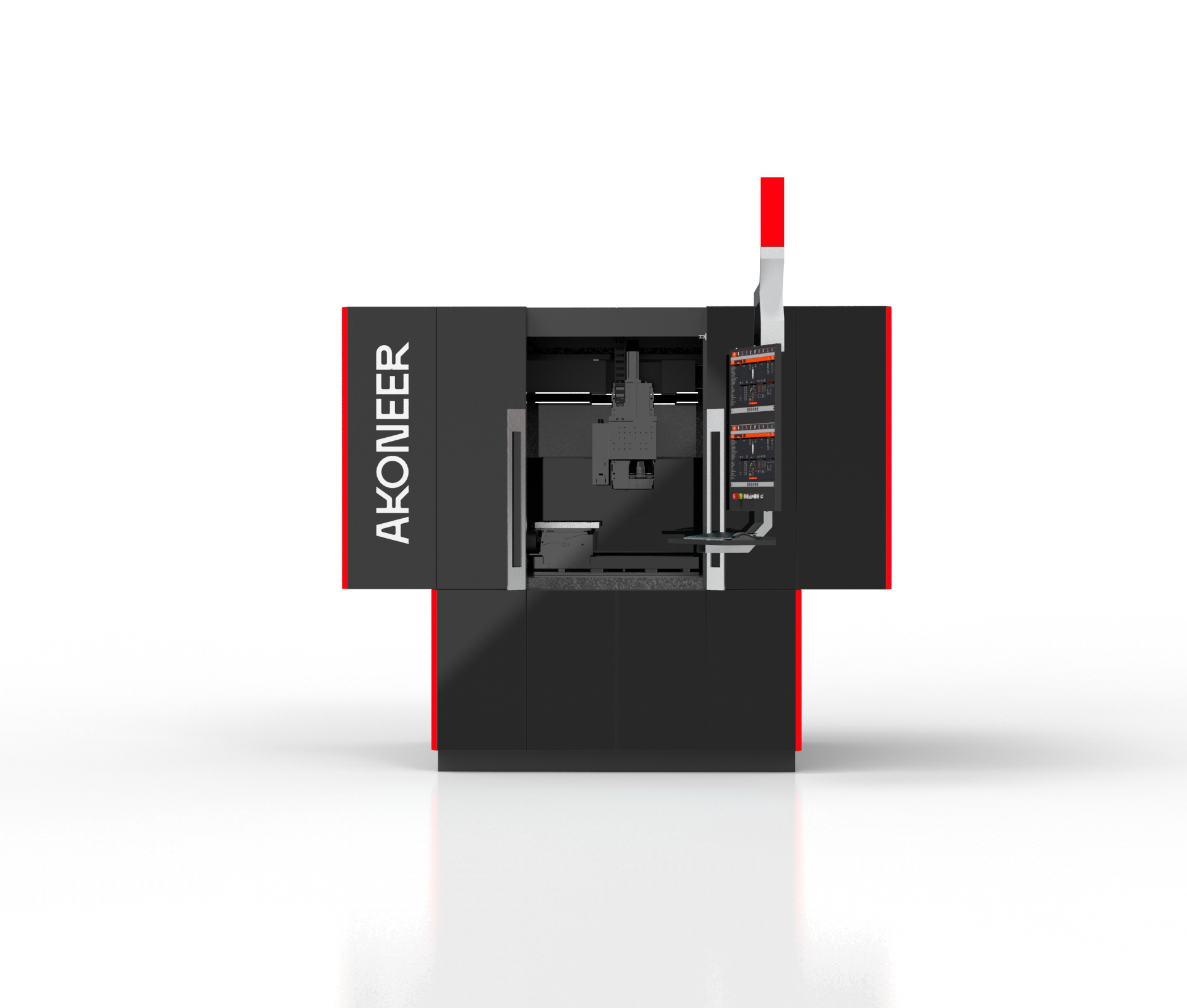
In the world of laser technology, the glass laser tube is a crucial component that significantly impacts the operation of laser cutting and engraving machines. Despite the availability of various types of laser tubes, the glass laser tube is favored for its efficiency, cost-effectiveness, and adaptability. This article explores the key aspects of glass laser tubes, including their construction, functionality, advantages, common applications, and maintenance.
Construction and design
The construction of a glass laser tube is ingeniously designed to optimize laser production. These tubes are typically made from high-quality borosilicate glass, capable of withstanding high temperatures and pressures. Inside the tube, a mixture of gases—primarily carbon dioxide (CO₂), nitrogen, and helium—is sealed at low pressure. Electrodes at each end generate the electricity needed to excite the gas molecules. When an electrical current passes through, it excites the gas mixture, causing CO₂ molecules to emit photons, creating a continuous laser beam. Mirrors are positioned at either end of the tube, with one fully reflective and the other partially reflective, to amplify the light and direct the laser beam through the partially reflective mirror. This focused light is used for cutting, engraving, or marking materials.
Functionality and efficiency
Glass laser tubes are known for their high efficiency in converting electrical energy into laser energy. They produce a continuous wave laser output, ideal for applications requiring consistent and precise cutting or engraving. The CO₂ laser wavelength, typically around 10.6 micrometers, is well-suited for interacting with diverse materials, including wood, acrylic, glass, leather, and some metals. These tubes can operate at power levels of 40 to 150 watts, enabling cutting speeds of up to 20 m/min with a kerf of approximately 0.1 mm. The design allows for efficient thermal management, crucial in preventing overheating and ensuring stable beam quality over extended periods. The simplicity of their design also aids in easy integration into various laser machines, making them versatile within the industry.
Advantages of glass laser tubes
One primary advantage of glass laser tubes is their cost-effectiveness. Compared to metal laser tubes, glass tubes are generally more affordable to produce and replace. This affordability does not compromise performance, as they deliver precise and high-quality laser outputs. Another significant advantage is their adaptability. Glass laser tubes can be manufactured in various lengths and diameters, allowing for customization to specific applications and machine configurations. This flexibility makes them attractive for manufacturers seeking tailored solutions. Additionally, glass laser tubes offer longevity; with proper maintenance, they can provide thousands of hours of operation before replacement. This durability, combined with low replacement cost, makes them a practical choice for many businesses.
Common applications
The versatility of glass laser tubes is evident in their wide range of applications. In manufacturing, they are used for cutting and engraving materials such as acrylic, wood, plastic, and leather, commonly found in signage, furniture, and fashion industries where precision is crucial. In arts and crafts, glass laser tubes allow for detailed designs on various substrates, offering precision and control that traditional tools cannot match. They are also employed in electronic component production, where precision cutting and marking are essential, contributing to efficient and quality manufacturing processes.
Maintenance and care
To ensure the longevity and optimal performance of a glass laser tube, regular maintenance is essential. Keeping the tube clean is critical, as dust and debris can accumulate on the surface and mirrors, affecting laser beam quality. Regular cleaning with appropriate materials and methods prevents contamination. Monitoring the cooling system is another crucial task. Glass laser tubes rely on water cooling to dissipate heat; ensuring the system functions correctly and the water remains clean helps prevent overheating and extends the tube's lifespan. Operators should also regularly inspect electrical components and connections, as proper handling can prevent issues that might disrupt performance.
The glass laser tube is an indispensable component in laser technology. Its efficient design, adaptability, cost-effectiveness, and wide range of applications make it a preferred choice for many industries. Proper maintenance and care are vital to maximizing its lifespan and ensuring consistent performance, allowing businesses and individuals to fully harness laser technology's potential.