Glass laser etching
Glass laser etching enables intricate designs on glass surfaces, offering versatility and durability across various industries.
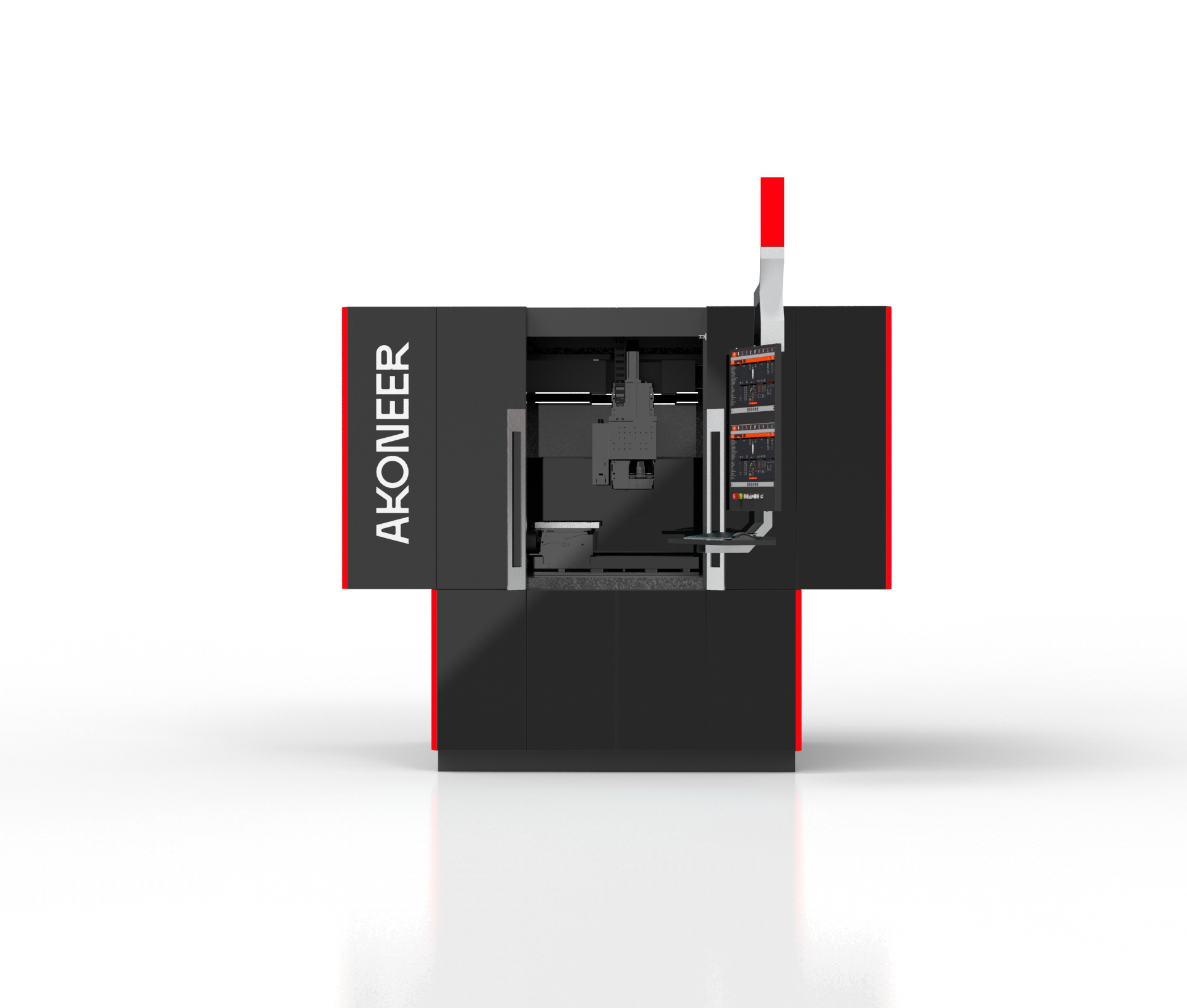
Laser etching on glass is an innovative process that allows for precise and intricate designs to be engraved onto glass surfaces. Its versatility and precision have made it increasingly popular across various industries. From artistic applications to industrial uses, glass laser etching offers a wide range of possibilities. This article delves into the various aspects of glass laser etching, exploring its processes, applications, advantages, and challenges.
Understanding the process of glass laser etching
Glass laser etching uses a concentrated beam of light to etch patterns onto glass surfaces. The process involves a laser machine that emits a focused beam, which interacts with the glass surface to create marks, patterns, or designs. The laser's intensity, speed, and movement are controlled by software, allowing for complex designs to be achieved with high precision. The etching process does not require physical contact with the glass, reducing the risk of damage or breakage.
The technology involves laser beams absorbed by the glass surface, causing micro-abrasions that result in a frosted appearance. CO2 lasers, typically operating at powers between 30–100 watts, are commonly used due to their effectiveness in interacting with glass materials. The repeatability of the laser etching process can be as precise as ±0.02 mm, ensuring detailed outcomes.
Applications of glass laser etching
Glass laser etching is utilized in a wide range of applications across different sectors. In the decorative arts, it creates intricate designs on glassware, mirrors, and decorative panels. Artists and designers appreciate the precision and flexibility provided by laser etching, enabling them to create detailed and personalized artworks.
In the industrial sector, glass laser etching is employed for marking and labeling purposes. It is particularly useful for engraving serial numbers, barcodes, or logos on glass products, ensuring durability and resistance to wear. The automotive industry uses laser etching for components such as glass windows and mirrors, where precision and durability are crucial.
The architectural field also benefits from glass laser etching, where it is used to produce customized glass panels for buildings. These panels can feature company logos, decorative patterns, or functional designs such as privacy screens, enhancing the aesthetic and functional aspects of architectural projects. For instance, the company Corning uses laser etching to customize the Gorilla Glass used in high-tech architectural designs, providing both aesthetic and functional benefits.
Advantages of glass laser etching
One of the primary advantages of glass laser etching is its precision. The ability to produce highly detailed and intricate designs makes it ideal for applications requiring fine craftsmanship. Additionally, the non-contact nature of the process minimizes the risk of damage to delicate glass surfaces.
Laser etching is versatile, applicable to various types of glass, including float glass, tempered glass, and laminated glass. This versatility allows for a wide array of design possibilities, catering to different industries and artistic endeavors.
The durability of laser-etched designs is another significant advantage. Unlike methods such as screen printing or decals, laser etching creates a permanent mark that is resistant to fading and wear. This makes it suitable for applications where longevity and resistance to environmental factors are essential.
Challenges in glass laser etching
Despite its advantages, glass laser etching presents certain challenges. One main difficulty lies in the brittleness of glass. Although the process is non-contact, the heat generated by the laser can cause stress and potential cracking, especially if not properly controlled. Careful calibration of laser settings, such as speed and power, is crucial to ensure optimal results.
Another challenge is the potential for reduced clarity in etched areas. The frosted effect may not be desirable for all applications, particularly when transparency is essential. Balancing design clarity with the aesthetic appeal of frosted patterns can be a complex task for designers and manufacturers.
The initial cost of acquiring laser etching equipment can also be a barrier. High-quality laser machines, which can cost upwards of $10,000, require significant investment, posing a challenge for smaller enterprises or individual artists looking to enter the market.
Future trends in glass laser etching
The future of glass laser etching looks promising, with ongoing advancements in laser technology and software development. Innovations such as ultrafast lasers and more sophisticated software are expected to enhance the precision and speed of the etching process, opening new possibilities for complex and multi-layered designs.
Sustainability is becoming a focus, with efforts to reduce energy consumption and enhance the efficiency of laser machines. As more industries adopt sustainable practices, the demand for energy-efficient and environmentally friendly etching processes is likely to grow.
As laser etching technology continues to evolve, its applications in fields such as custom architecture, interior design, and consumer products are expected to expand. The ability to customize and personalize glass components will remain a key driver of innovation in this field.
Glass laser etching represents a versatile and dynamic technology with applications spanning various industries. Its precision, durability, and adaptability make it a valuable tool for artists, manufacturers, and designers alike. As technology continues to advance, the potential for glass laser etching to transform both functional and aesthetic aspects of glass products is boundless.