Glass laser engraving machine
Glass laser engraving machines enhance artistic and industrial processes by enabling efficient, detailed design work on glass surfaces with advanced laser technology.
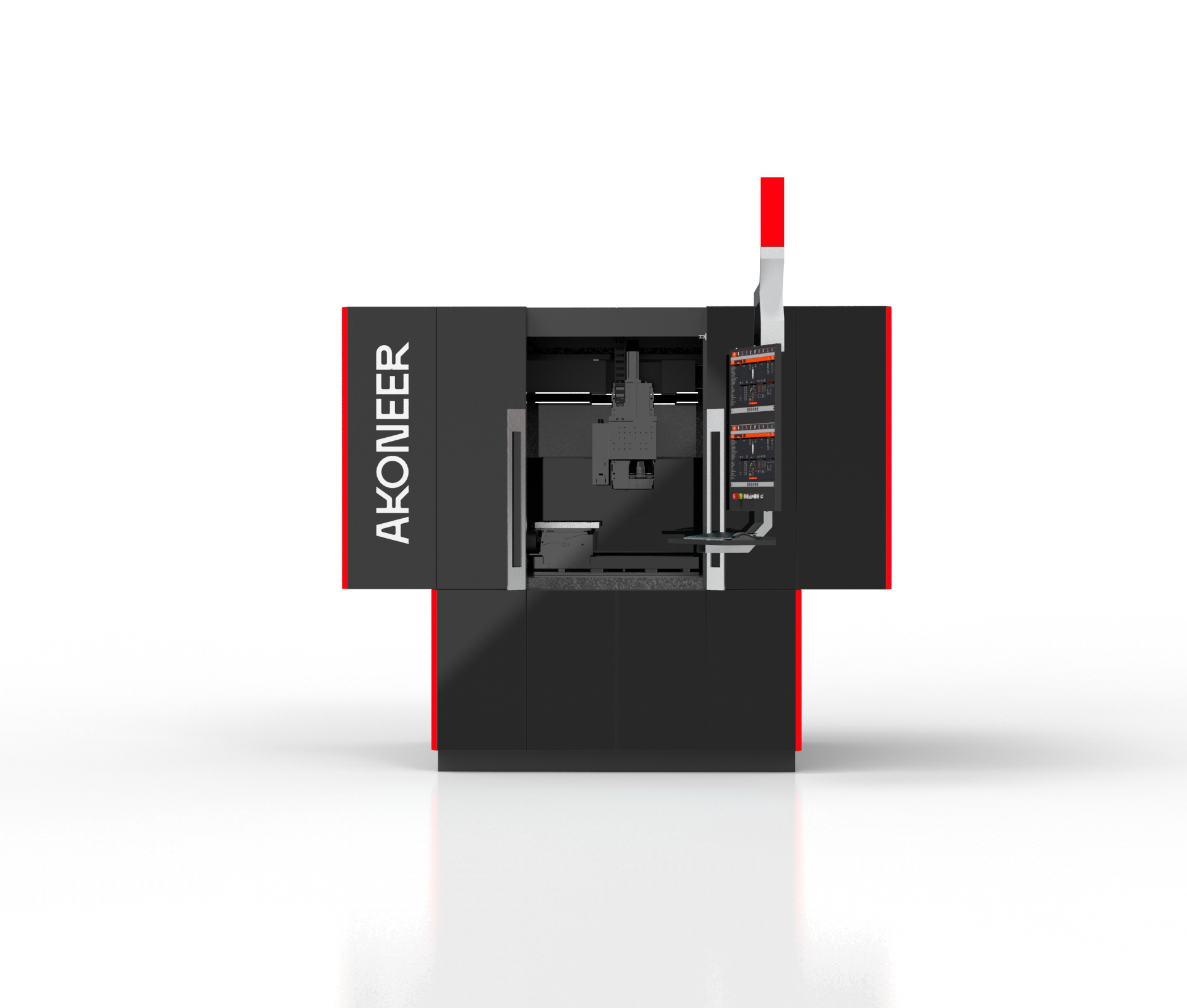
Glass laser engraving machines have transformed artistic and industrial processes, enabling high precision and efficiency in creating intricate designs on glass surfaces. These machines employ laser technology to etch patterns, logos, text, and images onto glass with remarkable accuracy. Explore the functionality, benefits, applications, and considerations in using glass laser engraving machines.
Functionality and technology
Glass laser engraving machines operate using a laser beam directed onto the glass surface. The laser's energy heats the glass, causing it to fracture slightly and create a frosted appearance in a process known as ""subsurface engraving."" Unlike traditional methods, this technique alters the glass’s internal structure without removing material. The precision of the laser allows for detailed designs that would be challenging to achieve otherwise.
The technology behind these machines is rooted in laser optics and control systems that guide the laser beam with pinpoint accuracy. Most glass laser engravers use CO2 lasers, which are well-suited for non-metal materials like glass. With power levels typically ranging from 30 to 150 watts and repeatability within ±0.02 mm, these machines offer versatility in design. The power and speed of the laser can be adjusted to achieve different depths and shades of engraving.
Benefits of using a glass laser engraving machine
Precision is a primary benefit of glass laser engraving machines. The laser can engrave complex and intricate designs with high accuracy, capturing even the smallest details. This precision is especially valuable in industries where accuracy is crucial, such as in scientific instrument production.
The speed and efficiency of the engraving process is another significant advantage. Laser engraving is much quicker than manual methods, allowing for faster production times and reducing labor costs. The non-contact nature of laser engraving minimizes wear and tear on equipment, extending the machine’s lifespan and reducing maintenance expenses.
Laser engraving is also highly customizable. Users can easily upload designs using software and modify them as needed, providing a flexible solution for personalized products. This customization capability opens opportunities for businesses to offer tailored products, from personalized gifts to branded corporate items.
Applications across industries
Glass laser engraving machines are used across various industries due to their versatility and precision. In the art and design sector, they enable artists to create unique pieces with detailed engravings. In architecture, these machines engrave decorative elements on glass panels and windows, adding an aesthetic touch to buildings.
The manufacturing industry also benefits from glass laser engraving machines. They are used to mark components with serial numbers, logos, or barcodes, essential for traceability and brand recognition. In the beverage industry, glass bottles can be engraved with logos and designs, enhancing product appeal. For instance, a renowned beverage company reported a 15% increase in sales after adopting laser-engraved promotional bottles, emphasizing the visual impact and branding benefits.
In the realm of personalized products, these machines enable the creation of custom gifts such as engraved glasses, awards, and plaques. This capability is valued in both corporate and consumer markets, where personalization adds significant value to products.
Considerations when using glass laser engraving machines
Several considerations should be taken into account to ensure optimal results. The type of glass being engraved is critical, as different types react differently to laser engraving. For example, tempered glass may not be suitable for certain engraving techniques due to its internal stress structure.
Safety is another important consideration. Laser machines emit high-energy beams that can be hazardous if not properly managed. Operators should be trained to use the machines safely and wear appropriate protective gear, such as safety goggles, to protect against laser exposure.
Additionally, environmental factors such as ventilation and dust collection should be addressed. Engraving can produce fine glass particles that may be harmful if inhaled, so proper ventilation systems should be in place to ensure a safe working environment.
Future trends and developments
The field of laser engraving is continually evolving, with advancements in technology leading to more efficient and capable machines. Innovations such as multi-axis engraving systems and improved software integration are expanding the possibilities for glass engraving, allowing for more complex and detailed designs.
There is also a growing trend towards eco-friendly practices in manufacturing, and laser engraving aligns well with this movement. The process generates minimal waste compared to traditional engraving methods, and with ongoing improvements in energy efficiency, glass laser engraving machines are becoming an increasingly sustainable option.
As technology advances, the capabilities of glass laser engraving machines are set to expand, opening up new possibilities for creative and industrial applications. Businesses and individuals alike will likely continue to explore the potential of these machines, driving innovation in design and production.