Glass laser engraving
Explore the advancements and diverse applications of glass laser engraving technology, offering efficient and intricate design solutions across various industries.
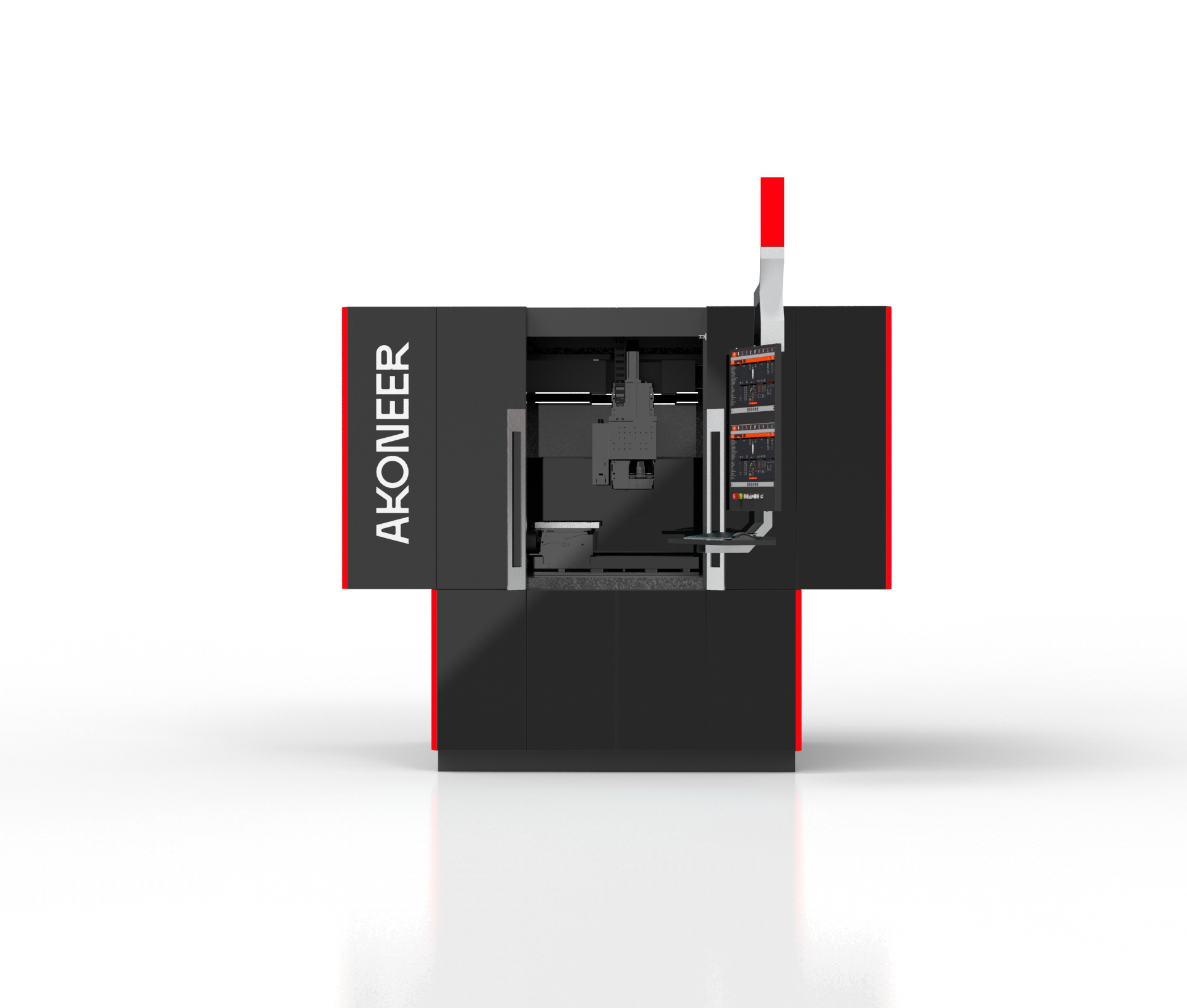
Glass laser engraving is a sophisticated technology that has transformed how we create detailed designs on glass objects. This technique uses laser beams to etch designs or text into the glass surface, offering unmatched precision and versatility. Understanding this technology's workings and applications can illuminate its impact across industries from art and design to manufacturing.
How laser engraving works
Laser engraving employs a focused beam of light to remove material from a surface, creating designs. When used on glass, the laser beam's intense heat causes slight fracturing, producing a frosted appearance. The laser's precision allows for fine lines and detailed patterns, enabling complex designs that are intricate and consistent. This non-contact process minimizes the risk of breakage or damage, as the glass surface remains untouched by physical tools. Typical laser power ranges from 2 to 6 kW, with repeatability often around ±0.02 mm, ensuring high-quality results.
Applications in art and design
The art and design industry has embraced glass laser engraving for its ability to create unique, personalized pieces. Artists use this technology to etch detailed images, patterns, or text onto glass items, from vases and sculptures to window panes and decorative panels. The precision of laser engraving allows for reproducing intricate designs that are challenging to achieve manually. Moreover, it facilitates mass production without compromising detail, making it attractive for commercializing artwork. A case in point is Crystal D, a company that utilizes laser engraving to produce awards and trophies, enhancing production efficiency and customization options significantly.
Use in manufacturing and industry
In manufacturing and industrial sectors, glass laser engraving has substantial applications. It is commonly used to produce custom glassware, such as engraved wine glasses, awards, and trophies. Businesses often require branded glass items for promotional purposes, and laser engraving provides a cost-effective, precise method for adding logos or text. Additionally, industries that need precise marking, such as automotive and aerospace, use laser engraving to create permanent, durable markings on glass components, ensuring traceability and compliance with regulatory standards.
The advantages of laser engraving on glass
Laser engraving offers several advantages for glass. The process is highly precise, producing detailed designs that are consistent across multiple items, crucial for maintaining high-quality standards. Additionally, laser engraving is a clean process; unlike sandblasting or chemical etching, it produces no dust or requires hazardous chemicals, making it safer and more environmentally friendly. Furthermore, the versatility of laser engraving allows for customization, enabling businesses and individuals to create personalized items catering to specific needs or preferences. A typical laser can achieve a kerf of approximately 0.1 mm, highlighting its precision capabilities.
Challenges and considerations
Despite its benefits, laser engraving faces challenges. The type of glass used is a primary consideration, as different glasses respond uniquely to laser engraving. Tempered or laminated glass may not be suitable. The glass's thickness can also affect engraving quality, with thicker glass sometimes yielding less precise outcomes. Manufacturers need to understand these variables and adjust processes to achieve optimal results.
Future developments in glass laser engraving
As technology evolves, the capabilities of glass laser engraving are expected to expand. Advances could lead to greater precision and speed, allowing for more complex designs and faster production. New software developments might enhance creative freedom for designers, simplifying the design process and expanding customization options. Research into new materials and techniques may also open new possibilities, making laser engraving more integral to various industries.
In summary, glass laser engraving is a transformative technology offering precision, versatility, and efficiency. Its applications in art, design, and industry underscore its value for creative expression and functional production. Despite challenges, the future of glass laser engraving looks promising, with innovations poised to broaden its scope and capabilities. As more sectors recognize this technology's benefits, its adoption is likely to grow, further cementing its role in modern manufacturing and design.