Glass laser engraver
Explore the advancements and diverse applications of glass laser engraving technology, offering efficient and intricate design solutions across various industries.
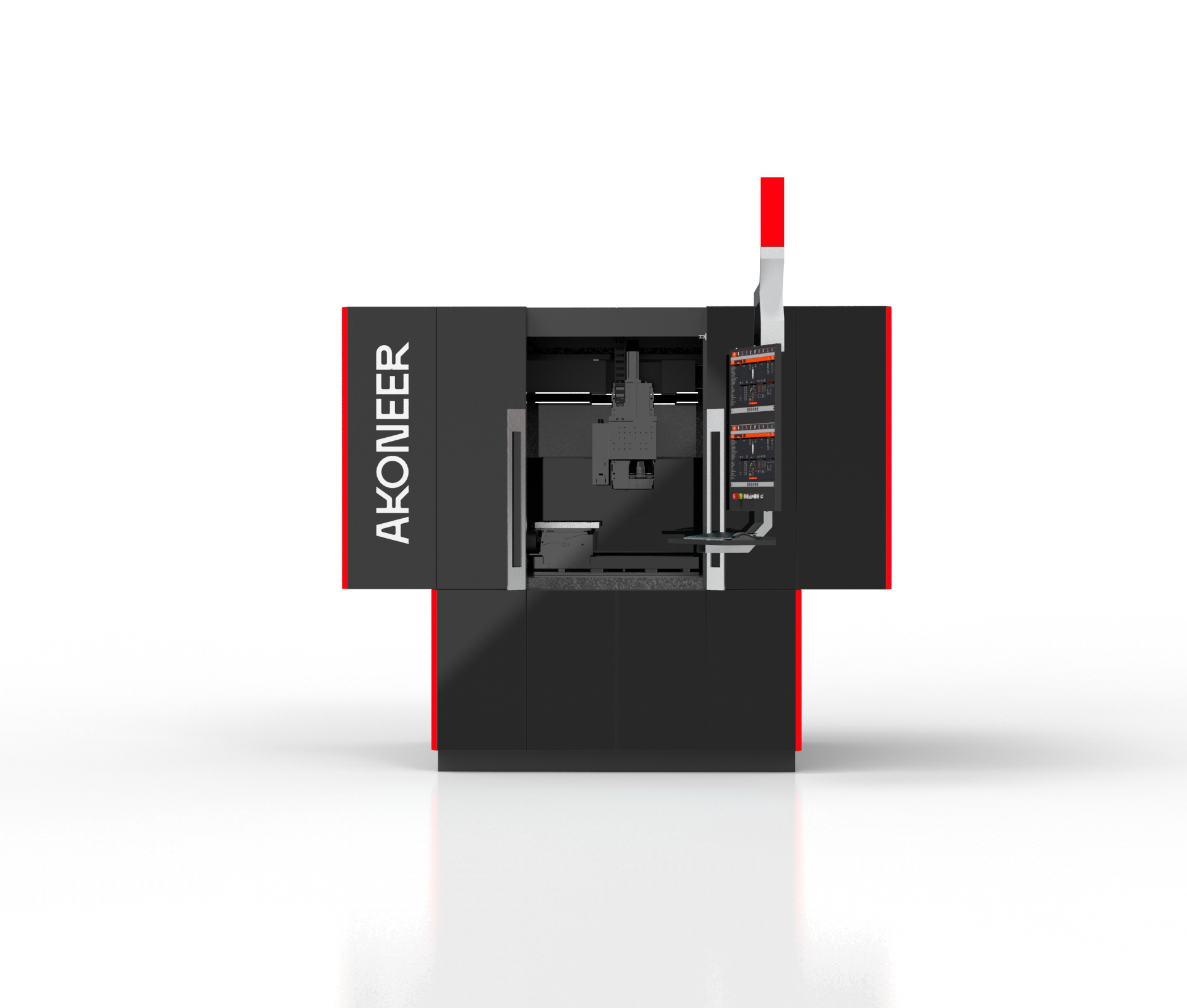
The realm of laser engraving has seen significant advances over the years, and one of the most noteworthy innovations is the glass laser engraver. This device has revolutionized the way designs and text are etched onto glass surfaces, blending precision with efficiency. This article delves into the mechanics, applications, and advantages of glass laser engraving, offering a comprehensive understanding of this technology.
Understanding the technology
Laser engraving on glass employs a laser beam to etch patterns, designs, or text onto glass surfaces. The laser beam, a concentrated form of light, interacts with the glass surface, causing it to fracture in a controlled manner. This results in a frosted appearance that contrasts beautifully with the clear glass. This process involves no ink or physical contact, eliminating the risk of contamination or damage to the glass. The precision of the laser allows for intricate designs that are nearly impossible to achieve using traditional engraving methods.
The technology behind glass laser engravers relies on key components: the laser source, the control system, and the mechanical structure guiding the laser. The laser source generates the beam, directed by mirrors and lenses to achieve the desired focal point on the glass surface. The control system translates digital designs into the laser's movements and pulses, enabling high precision and repeatability—essential for both artistic endeavors and industrial applications. Typical lasers have power outputs ranging from 30 to 100 watts, with precision reaching a repeatability of ±0.02 mm.
Applications in various industries
Glass laser engravers find applications across many industries. In architecture and interior design, they create decorative elements like patterned windows and engraved mirrors. The ability to customize designs allows architects and designers to offer unique and personalized solutions to clients.
In the consumer goods industry, glass laser engraving personalizes items like wine glasses, trophies, and awards, adding value and appeal. The manufacturing sector uses these engravers to mark glass components with serial numbers or barcodes, aiding traceability and quality control. In the art and craft sector, laser engraving technology produces intricate designs on glass, allowing artists to experiment with patterns and motifs. The precision of laser engravers opens new creative possibilities, pushing the boundaries of what can be achieved with glass.
A case in point is Waterford Crystal, which uses laser engraving for its bespoke glassware collection. By integrating laser technology, they've reduced production time by 30% while enhancing design precision.
Advantages of using glass laser engravers
The advantages of using glass laser engravers are numerous. First is the precision and accuracy they offer. The ability to produce detailed and intricate designs is unparalleled, especially compared to traditional engraving methods. With computer-aided design (CAD) software, users can create complex patterns reproduced accurately on the glass surface.
The engraving process is also fast. Laser engravers complete tasks much faster than manual engraving, increasing productivity and allowing for faster turnaround times. This speed is particularly beneficial in industrial settings where time efficiency translates into cost savings.
Additionally, laser engraving is non-contact, meaning the glass is not subjected to any physical stress during engraving. This reduces the risk of breakage or damage, ensuring the integrity of the glass is maintained. The absence of physical contact also means there is no tool wear, leading to lower maintenance costs.
Environmental considerations
Glass laser engraving is environmentally friendly. Since it doesn't involve inks or chemicals, it generates no waste or harmful emissions. This makes it a sustainable choice for businesses looking to reduce their environmental footprint. Moreover, the precision of laser engraving means minimal material wastage, as designs are etched exactly as planned.
Challenges and considerations
Despite its advantages, glass laser engraving presents challenges. The initial investment in equipment can be significant, potentially a barrier for smaller businesses or individual artists. Additionally, while the technology is user-friendly, it requires training and expertise to operate efficiently. Understanding the intricacies of the software and mechanics of the engraver is essential for the best results.
Another consideration is the type of glass used. Not all glass types are suitable for laser engraving, and some may react differently to the laser beam. Selecting the right type of glass ensures optimal results.
Future trends in glass laser engraving
As technology advances, the potential for glass laser engraving expands. Future trends may include integrating artificial intelligence and machine learning to enhance design capabilities and automation. There's also potential for further miniaturization of the technology, making it accessible to a wider range of users.
In summary, glass laser engravers have transformed the creation of designs on glass. From industrial applications to artistic pursuits, this technology offers precision, efficiency, and versatility. As it continues to evolve, the possibilities for innovation and creativity in glass engraving are boundless.