Glass engraving laser
Explore the advancements in glass engraving lasers that enhance design accuracy and efficiency across various industries.
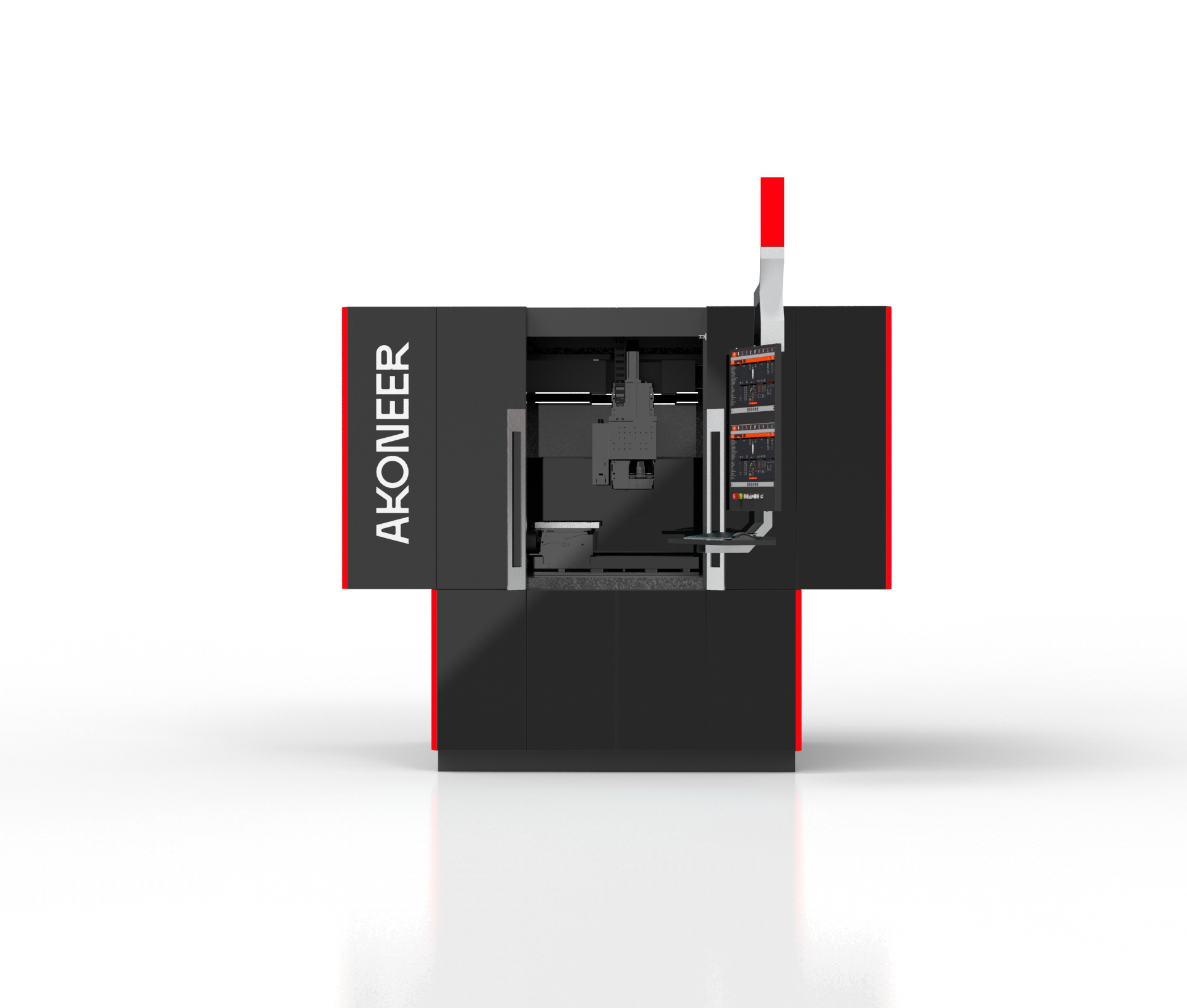
The world of engraving has seen significant advancements over the years, with laser technology at the forefront of precision and efficiency. Glass engraving, in particular, has benefited immensely from these developments. This article explores the various aspects of glass engraving lasers, shedding light on the technology, applications, and benefits they offer.
Understanding glass engraving lasers
Glass engraving involves etching designs or text onto glass surfaces, and lasers have revolutionized this process. A glass engraving laser uses a concentrated beam of light to remove material from the glass surface, leaving intricate and precise patterns. This technology enables detail and consistency that traditional methods struggled to achieve.
Lasers used for engraving glass typically fall within CO2 or fiber categories. CO2 lasers are popular for glass engraving due to their ability to produce a precise, clean cut at a wavelength of 10.6 μm. They operate effectively on non-metallic materials, making them ideal for glass. Fiber lasers, while more commonly used for metals, can also be adapted for glass with certain modifications. Typical laser power ranges between 20 to 100 watts, providing versatility in applications.
Applications of glass engraving lasers
The applications of glass engraving lasers are diverse, spanning various industries. In the consumer goods sector, these lasers engrave customized designs onto glassware, such as wine glasses, trophies, and corporate awards. This customization adds a personal touch, appealing to consumers seeking unique items.
In the architectural and interior design sectors, glass engraving lasers create intricate patterns and textures on architectural glass. This enhances the aesthetic appeal of buildings and interior spaces, providing a modern touch. The precision of laser engraving allows detailed logos, patterns, or text to be added to glass panels in office spaces, retail environments, and homes.
The electronics industry benefits as well. Lasers etch serial numbers, barcodes, or logos onto glass components, such as those in smartphones. This aids in branding and product tracking. For example, XYZ Corp. implemented laser engraving in their smartphone production line, reducing their marking time by 50% and improving traceability.
Benefits of using glass engraving lasers
One significant advantage of glass engraving lasers is the level of detail and precision they offer. The laser beam can be controlled with a high degree of accuracy, allowing for intricate designs and fine details difficult to achieve with other methods. This precision results in consistent output, reducing errors and inconsistencies in the final product. Repeatability can be as precise as ±0.02 mm.
Another benefit is the speed and efficiency of the laser engraving process. Lasers can engrave glass surfaces quickly compared to traditional methods, which often involve manual labor and longer production times. This increased speed translates to higher productivity and lower operational costs for businesses.
Additionally, laser engraving is a contactless process, meaning there is no physical contact between the engraving tool and the glass surface. This reduces the risk of damage to the glass and minimizes wear and tear on the equipment, leading to longer machine life and reduced maintenance costs.
Considerations when using glass engraving lasers
While glass engraving lasers offer numerous benefits, certain considerations are crucial. The quality of the glass being engraved is vital, as impurities or inconsistencies can affect the engraving process and the final result. High-quality, uniform glass is recommended to achieve the best possible engravings.
Choosing the right laser settings for the specific type of glass and desired outcome is essential. Factors such as laser power, speed, and frequency need adjustment to ensure optimal results. Experimentation and testing may be required to determine the best settings for a particular application.
Safety is another important consideration. Laser engraving involves intense light and heat, which can pose risks if not properly managed. Appropriate safety measures, such as protective eyewear and ventilation systems, should be in place to protect operators and ensure a safe working environment.
Future trends in glass engraving lasers
As technology advances, the future of glass engraving lasers looks promising. Innovations in laser technology are likely to enhance precision further, allowing for more complex and detailed designs. Developments in automation and software integration could streamline the engraving process, making it more accessible and user-friendly for businesses of all sizes.
Additionally, as demand for personalized and customized products grows, the use of glass engraving lasers is expected to increase across various industries. This trend will likely drive further research and development, leading to more efficient and versatile laser engraving solutions.
In summary, glass engraving lasers represent a significant advancement in the art and science of engraving. Their precision, efficiency, and versatility make them invaluable tools in various industries, from consumer goods to architecture and beyond. As technology evolves, the potential for glass engraving lasers to transform design and production continues to expand.