Femtosecond laser machine
Femtosecond laser machines offer ultrafast pulse technology that enhances precision and versatility across medicine, manufacturing, and research.
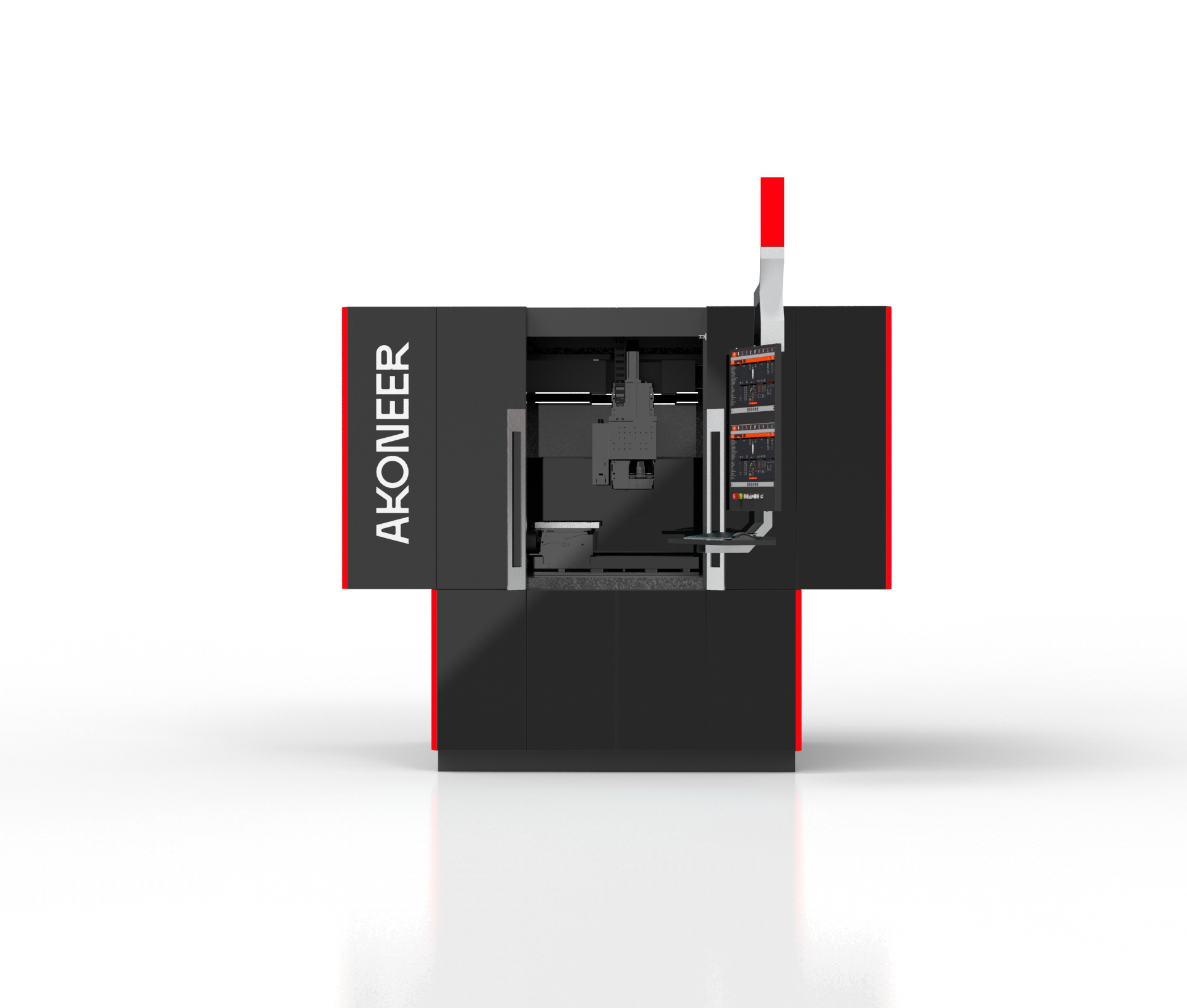
The femtosecond laser machine is a remarkable advancement in laser technology, offering unmatched precision and versatility. Operating on ultrafast laser pulse principles, this technology has transformed industries such as medicine, manufacturing, and research. Its ability to make precise incisions and modifications at a microscopic level continues to expand the boundaries of what's technologically possible.
Understanding femtosecond lasers
Femtosecond lasers emit light pulses lasting only a few femtoseconds, with one femtosecond equating to one quadrillionth of a second. This short pulse duration distinguishes them from other laser technologies. The ultrafast pulses allow for high precision and minimal thermal damage to surrounding materials, as the energy is delivered so rapidly that it doesn't spread as heat to neighboring areas. Consequently, femtosecond lasers are ideal for applications demanding high precision and minimal collateral damage.
Applications in medicine
Femtosecond laser technology has significantly impacted the medical field, particularly in eye surgeries like LASIK and cataract procedures. These lasers enable precise corneal incisions and lens fragmentation with minimal tissue trauma, reducing complication risks and enhancing recovery times. Beyond ophthalmology, femtosecond lasers are used in tissue engineering, precise soft tissue cutting, and the development of advanced diagnostic tools.
Impact on manufacturing
In manufacturing, femtosecond laser machines are indispensable for micromachining and materials processing. Industries such as electronics, aerospace, and automotive rely on these lasers for creating intricate patterns and modifications on materials like metals and polymers. With cutting speeds up to 30 m/min and repeatability ±0.02 mm, these lasers are vital for producing components with complex geometries and tight tolerances. For example, the microelectronics sector benefits greatly, where even minor deviations can cause significant functional issues. Raydiance, a company specializing in femtosecond laser technology, has reported a 25% increase in production efficiency for microelectronic components using these machines.
Advancements in research
Researchers across various scientific disciplines leverage femtosecond laser technology to explore new frontiers. In physics and chemistry, these lasers enable the study of ultrafast processes like electron dynamics and chemical reactions with unprecedented resolution. In materials science, femtosecond lasers modify surfaces at the nanoscale, leading to new materials with unique properties. This ability to manipulate matter finely opens possibilities for innovations in nanotechnology and photonics.
Challenges and considerations
Despite their advantages, femtosecond laser machines come with challenges. The technology's complexity requires expert operation and maintenance, and the high cost of systems can be a barrier for smaller organizations. Ongoing research and development are essential to expand these machines' capabilities and address current application limitations. Ensuring safety and minimizing risks associated with high-intensity laser use are also critical considerations.
Future prospects of femtosecond lasers
The future of femtosecond laser technology is promising, with research focused on enhancing performance, reducing costs, and expanding applications. Advances in laser design and manufacturing processes are likely to make femtosecond lasers more accessible to a broader range of industries. In medicine, further integration with imaging technologies could lead to more sophisticated diagnostic and surgical tools. Continued miniaturization and precision improvements in manufacturing will support next-generation device and component production. As researchers explore femtosecond lasers' potential, new applications and innovations are expected, solidifying their role as a cornerstone of modern technology.
The femtosecond laser machine exemplifies the incredible progress in laser technology, offering previously unattainable precision and versatility. Its impact spans multiple industries, from medicine to manufacturing and scientific research. While challenges remain, the potential for further advancements and applications is vast. As technology evolves, femtosecond lasers will undoubtedly play a crucial role in shaping the future of technology and industry.