Femtosecond laser cutting
Femtosecond laser cutting is transforming precision manufacturing with ultra-short pulses that enhance accuracy and minimize material damage across multiple industries.
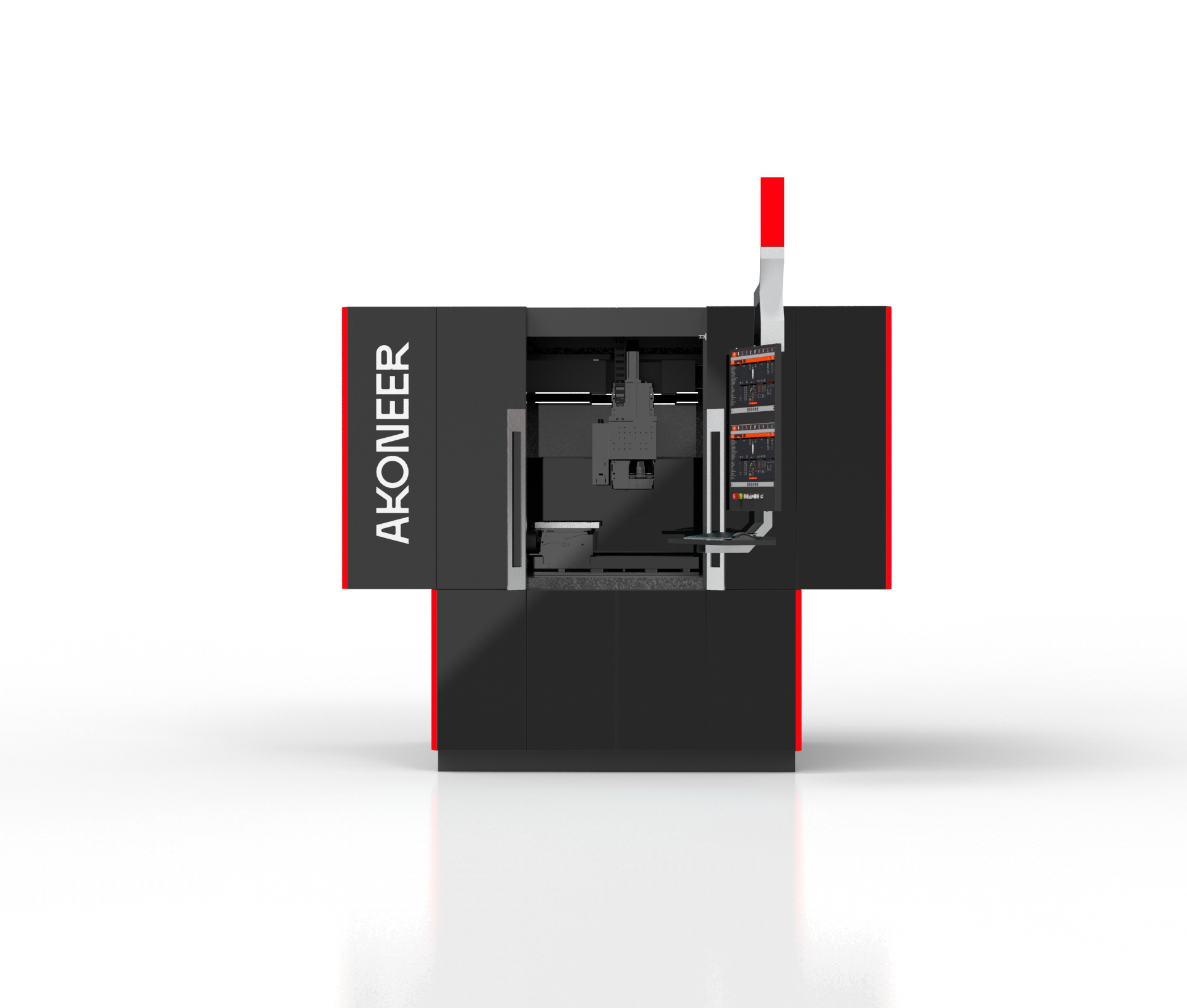
In recent years, femtosecond laser cutting has emerged as a groundbreaking technology in precision manufacturing. Characterized by ultra-short laser pulses lasting only a few femtoseconds (a quadrillionth of a second), this technique offers unparalleled accuracy and minimal material damage. In manufacturing, where precision and efficiency are crucial, femtosecond laser cutting is a transformative tool.
Understanding femtosecond laser technology
Femtosecond lasers operate by emitting pulses with ultra-short durations, distinguishing them from other lasers like continuous wave or nanosecond lasers. This short pulse duration minimizes the heat-affected zone, reducing thermal damage to surrounding materials—a significant advantage in high-precision applications such as microelectronics, medical device manufacturing, and materials research. The technology involves complex optical and electronic systems that generate and control these ultra-short pulses. By producing a laser beam with a high peak power, the femtosecond laser interacts with material on an atomic scale, achieving precise ablation with minimal thermal diffusion. As a result, femtosecond laser cutting can achieve clean cuts with minimal burrs and high-quality finishes.
Applications in various industries
Femtosecond laser cutting is applied in numerous industries due to its precision and versatility. In the medical sector, it manufactures complex devices like stents and catheters, where intricate geometries and smooth finishes are essential. The precision ensures these devices meet strict medical standards and perform effectively in clinical settings. In electronics, the demand for miniaturization and intricate component design has made femtosecond laser cutting indispensable. It creates micro-scale features on semiconductor chips and circuit boards, achieving high accuracy and minimal thermal impact to protect delicate electronic components. The aerospace industry benefits as well, using femtosecond lasers to precisely cut lightweight materials like titanium and composites, commonly used in aircraft manufacturing. This allows for more efficient fuel use and improved performance.
Advantages over traditional cutting methods
Compared to traditional cutting methods such as mechanical or longer-pulse laser cutting, femtosecond laser cutting offers significant advantages. The primary benefit is reduced thermal damage. Traditional methods often cause heat-affected zones, leading to material deformation, microcracks, and residual stresses. Femtosecond lasers minimize these effects, preserving material integrity. Another advantage is the precision and quality of the cuts, with femtosecond lasers providing high spatial resolution, allowing for intricate patterns and fine details. This level of precision is crucial in industries with tight tolerances and critical surface quality. Additionally, femtosecond laser cutting is non-contact, reducing the risk of contamination and wear on cutting tools. This makes it ideal for cutting sensitive or challenging materials.
Challenges and limitations
Despite its advantages, femtosecond laser cutting presents challenges and limitations. The primary challenge is equipment cost; femtosecond lasers require advanced technology for generating and controlling ultra-short pulses, resulting in higher initial investment compared to traditional methods. Additionally, specialized knowledge and skills are needed to operate and maintain femtosecond laser systems. The precision and complexity demand trained personnel for optimal performance and troubleshooting. Moreover, femtosecond laser cutting may not be suitable for all materials or applications. While it excels in precision and minimal thermal impact, other methods might be more efficient for large-scale or low-precision applications.
Future prospects and innovations
The future of femtosecond laser cutting looks promising, with ongoing research aimed at enhancing capabilities and expanding applications. Innovations focus on developing more cost-effective femtosecond laser systems, potentially broadening accessibility across industries. Research is also improving efficiency and speed, with advances like higher pulse repetition rates and improved beam quality enhancing performance. As industries demand higher precision and complex designs, the role of femtosecond laser cutting is expected to grow. Its ability to meet advanced manufacturing requirements positions it as a key technology in the future of precision engineering.
For instance, TRUMPF, a leading manufacturing company, has integrated femtosecond laser cutting into its production lines. This integration has resulted in a 30% increase in production efficiency and a significant reduction in material waste. With unmatched precision and minimal material impact, femtosecond laser cutting is an invaluable tool across various industries and will likely play a growing role in shaping the future of manufacturing.