Engraving metal laser
Metal laser engraving is a versatile technology used across industries for marking and designing metal surfaces with exceptional speed and detail.
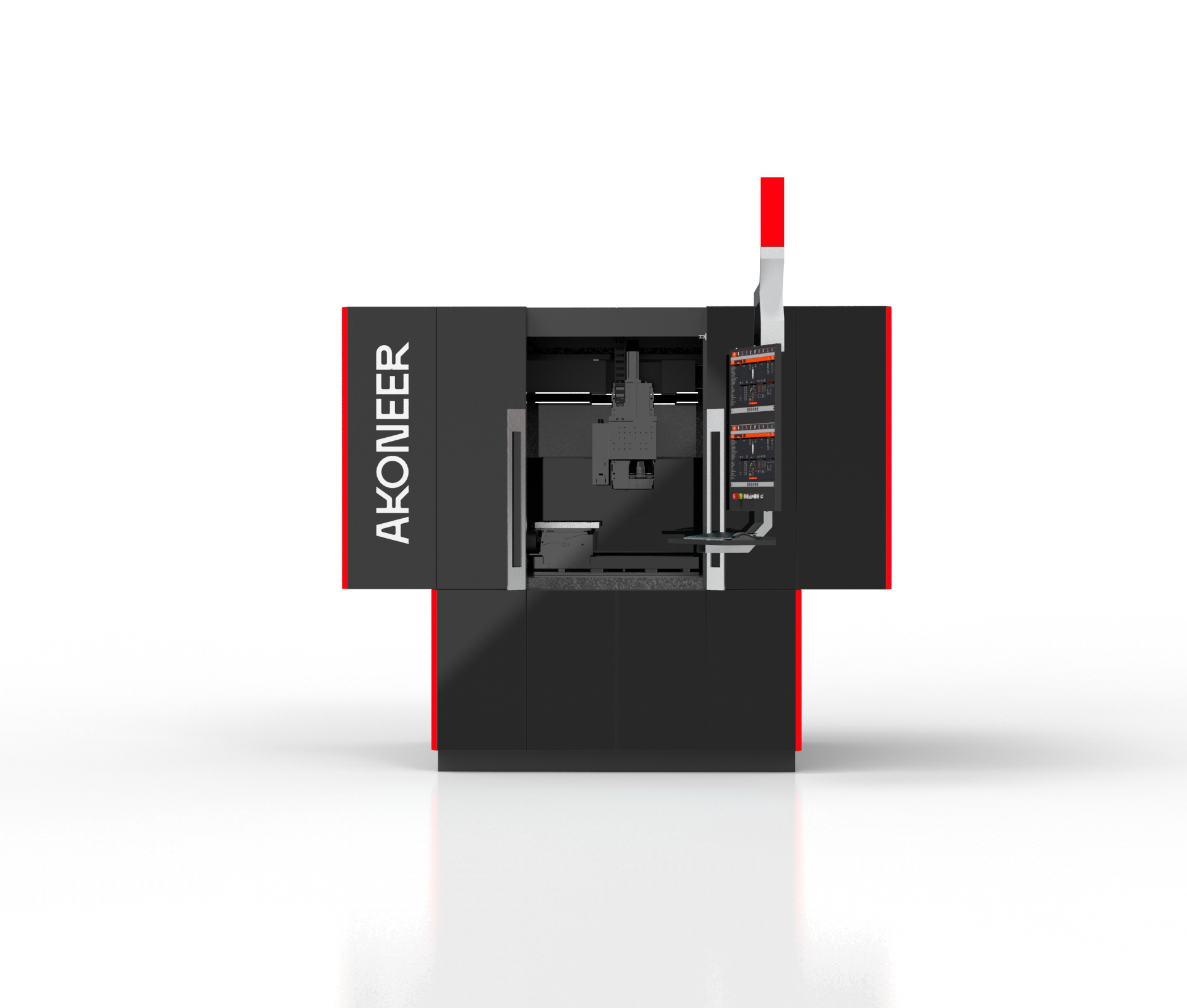
Laser engraving on metal has emerged as a pivotal technology in numerous industries, providing unmatched precision, speed, and versatility. From manufacturing to personalized consumer products, it reshapes how businesses and individuals mark and design metal surfaces. This article delves into the technology behind metal laser engraving, its applications, benefits, and considerations for selecting the right laser engraving machine.
Understanding laser engraving technology
Laser engraving employs a concentrated light beam to etch or mark surfaces. In metal engraving, this beam removes material to create permanent marks. The process involves three main components: the laser, the controller, and the surface. The laser generates the beam, the controller directs its path, and the surface is the material being engraved. By controlling the laser's intensity, speed, and focus, users achieve desired depth and detail. This technique offers high precision, ideal for intricate designs and small text. Typical parameters include power levels from 2–6 kW, kerf width of approximately 0.1 mm, and repeatability of ±0.02 mm.
Applications of metal laser engraving
Metal laser engraving spans diverse sectors. In manufacturing, it is used for product identification, serial numbers, and barcodes, ensuring traceability and compliance. The aerospace and automotive industries rely on laser engraving for marking parts with essential information like part numbers and safety instructions. In the medical field, it creates detailed surgical instruments and marks implants with identification numbers. The jewelry industry benefits from personalized engravings on rings, bracelets, and watches. Consumers also customize items like trophies, plaques, and gifts, adding a personal touch to everyday objects. For instance, Ford Motor Company utilizes laser engraving to mark engine components, enhancing traceability and reducing errors by 20%.
Advantages of using laser engraving on metal
Laser engraving offers several advantages over traditional methods. Precision is paramount; lasers achieve fine details and intricate designs difficult to replicate by hand or mechanical means. Speed is another advantage, with laser engraving completing tasks much faster than manual methods, increasing productivity and reducing lead times. The contactless process minimizes wear and tear on tools and reduces the risk of material damage. Additionally, laser engraving is versatile, applicable on various metals, including stainless steel, aluminum, copper, and brass, allowing for a wide range of applications and industries.
Factors to consider when choosing a laser engraving machine
Selecting the right laser engraving machine for metal involves several factors. The type of laser—such as CO2, fiber, or Nd:YAG—affects material compatibility and engraving quality. Fiber lasers are commonly used for metal due to their high precision and ability to engrave various metal types. Laser power is crucial; higher power lasers can engrave deeper and faster but may be more costly. The engraving area's size determines the maximum material size that can be processed. Additionally, software compatibility and ease of use impact machine efficiency and the user's ability to produce complex designs. Maintenance and support services from the manufacturer are vital for ensuring the machine's longevity and performance.
Environmental and safety considerations
While laser engraving on metal is generally safe, there are environmental and safety considerations. The process can produce fumes and particles, particularly when engraving coated or treated metals. Proper ventilation and fume extraction systems are essential to ensure a safe working environment. Protective eyewear is necessary to guard against laser exposure, which can damage eyesight. Operators should receive appropriate training to handle the machinery safely and effectively. Manufacturers must adhere to safety standards and regulations to minimize risks associated with laser engraving.
Future trends in metal laser engraving
As technology advances, the future of metal laser engraving appears promising. Innovations in laser technology are likely to enhance precision and efficiency further. Software developments could enable more complex designs and automation, reducing manual input and increasing production speeds. Integrating artificial intelligence and machine learning could revolutionize the design process, allowing for predictive maintenance and optimization of engraving paths. Sustainability is also becoming a focus, with efforts to develop eco-friendly laser systems that consume less energy and produce fewer emissions. The growing demand for customization and personalization in consumer products is expected to drive the expansion of laser engraving applications.
In summary, metal laser engraving is a powerful technology with numerous applications, offering precision, speed, and versatility. Understanding the technology, its advantages, and considerations for choosing the right machine can help businesses and individuals make informed decisions. As the industry evolves, continued innovation and adherence to safety and environmental standards will ensure that laser engraving remains a valuable tool in manufacturing and creative sectors.