Elite laser cutting
Elite laser cutting is a crucial manufacturing technology, providing exceptional accuracy and versatility across multiple industries.
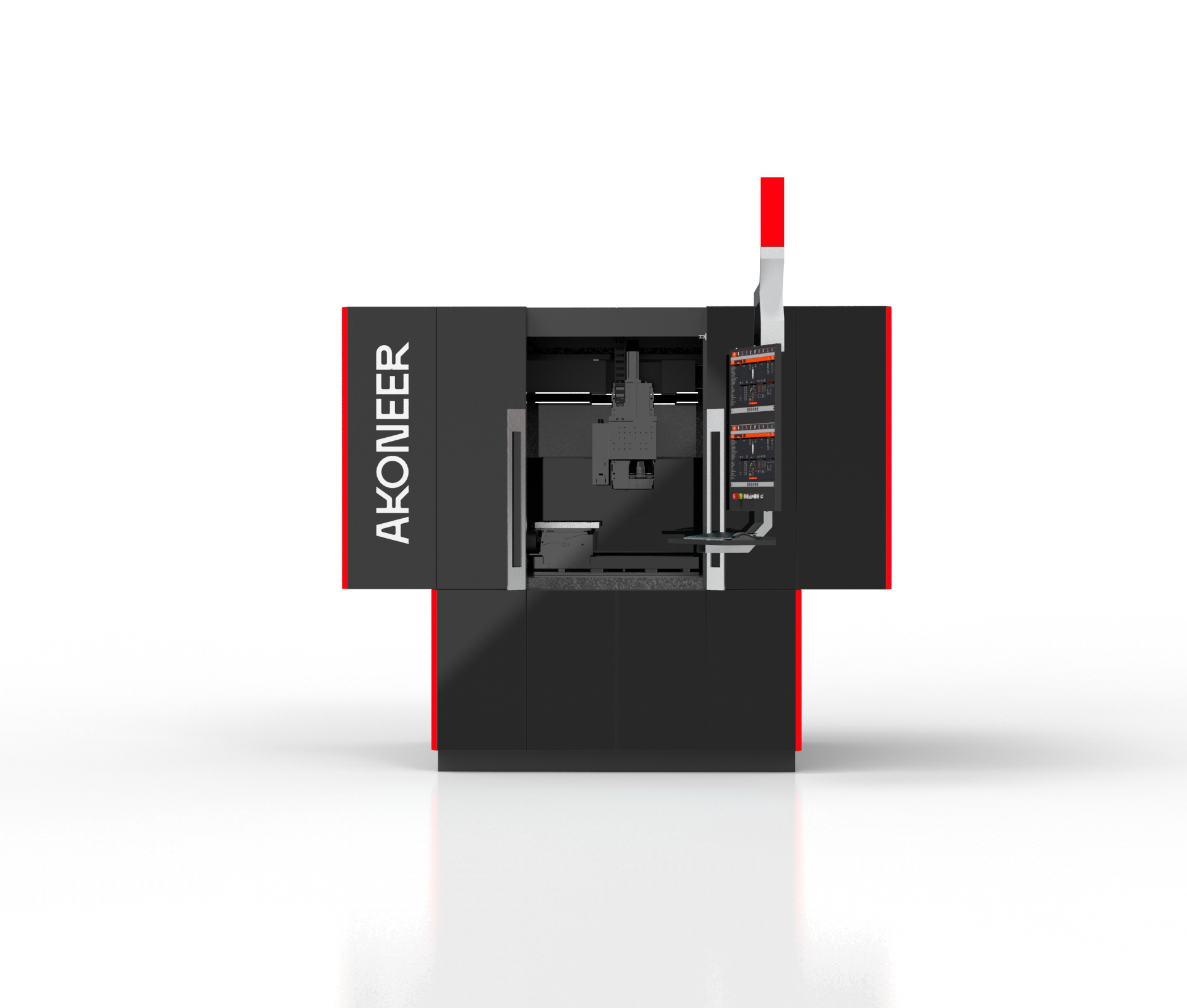
In recent years, elite laser cutting has emerged as a critical technology in the world of manufacturing, offering exceptional precision and versatility. As industries evolve, the demand for advanced machinery that can meet complex production needs has never been higher. Laser cutting, a method that uses a high-powered laser beam to cut materials, stands at the forefront of this transformation. This article explores the essential aspects of elite laser cutting, highlighting its applications, advantages, technological innovations, and future prospects.
The core principles of laser cutting
Laser cutting operates by using a concentrated beam of light to cut through materials. This process involves focusing a laser onto the surface of a material, which melts, burns, vaporizes, or is blown away by a jet of gas, leaving a high-quality edge. The precision of laser cutting is unmatched, with a typical kerf of approximately 0.1 mm, allowing for intricate designs and detailed patterns that other cutting methods cannot achieve. The technology can cut a wide array of materials, including metals, plastics, wood, and textiles, making it a versatile tool across various sectors.
Applications across industries
The application of elite laser cutting spans numerous industries. In the automotive industry, laser cutting is used for creating complex components with high precision, often achieving repeatability within ±0.02 mm. It plays a crucial role in the production of car parts that require exact dimensions and fine details. In aerospace, the technology is indispensable for cutting lightweight materials like titanium and aluminum, critical for aircraft manufacturing. Additionally, laser cutting is employed in the electronics industry to produce intricate circuit boards and components, where precision is paramount.
Architectural firms utilize laser cutting for model making and detailed structural components, while fashion designers use it to create unique patterns on textiles. The medical field benefits from laser cutting for the production of surgical instruments and devices, where precision and hygiene are essential. This wide range of applications demonstrates the adaptability and importance of laser cutting technology in modern manufacturing.
Advantages of elite laser cutting
The benefits of laser cutting are numerous, contributing to its popularity in manufacturing. One of the primary advantages is precision. Laser cutting offers accuracy to a fraction of a millimeter, allowing for the creation of detailed and complex shapes that are consistently replicated. This precision reduces material waste, enhancing cost-effectiveness.
Another advantage is the speed of operation. Laser cutting can reach speeds up to 30 meters per minute, significantly faster than traditional methods, increasing production efficiency. The automation capabilities of laser cutting machines reduce human intervention, minimizing errors and allowing for continuous operation.
The versatility of laser cutting is also notable. It can cut a variety of materials, from metals to non-metals, and even non-traditional materials like ceramics and composites. This flexibility makes it an ideal choice for manufacturers looking to streamline operations with a single cutting solution.
Technological innovations in laser cutting
The field of laser cutting has witnessed significant technological advancements, enhancing its capabilities and expanding its applications. One of the most notable innovations is the development of fiber lasers, which offer increased power and efficiency, typically ranging from 2 to 6 kW. Fiber lasers are more energy-efficient than traditional CO2 lasers and require less maintenance, making them a cost-effective option for manufacturers.
Automation and integration with digital technology have further advanced laser cutting. Modern laser cutting machines are equipped with computer numerical control (CNC) systems, allowing for precise control over the cutting process. This integration facilitates rapid prototyping, enabling manufacturers to quickly develop and test new designs.
Advanced software solutions are also playing a role in optimizing the laser cutting process. Machine learning algorithms can analyze cutting patterns and suggest improvements, reducing material waste and enhancing efficiency. These technological innovations ensure that laser cutting remains at the forefront of manufacturing technology, continually adapting to meet the needs of various industries.
The future of elite laser cutting
As industries continue to evolve, the future of elite laser cutting looks promising. The ongoing development of more efficient lasers, coupled with advancements in automation and software, is expected to further enhance the capabilities of laser cutting technology. The integration of artificial intelligence and machine learning will likely lead to smarter, more adaptive cutting solutions, capable of self-optimization and real-time adjustments.
Sustainability is also becoming a key consideration in manufacturing, and laser cutting is well-positioned to contribute to greener practices. Its precision reduces waste, and the potential for energy-efficient laser systems aligns with the growing demand for environmentally friendly manufacturing processes.
Furthermore, as the demand for customized products increases, the flexibility of laser cutting will be essential in meeting the needs of consumers who seek personalized solutions. From automotive parts to fashion accessories, the ability to produce unique, tailor-made items quickly and efficiently will be a significant advantage.
Elite laser cutting represents a vital component of modern manufacturing, offering unparalleled precision, speed, and versatility. Its applications across diverse industries underscore its importance, while technological innovations and future prospects point to a dynamic and evolving field. As manufacturers seek to meet the demands of a rapidly changing market, laser cutting will undoubtedly continue to play a pivotal role in shaping the future of production.