Electronics laser etching
Laser etching enhances the electronics industry by providing efficient, non-contact marking solutions for various components, improving traceability and production efficiency.
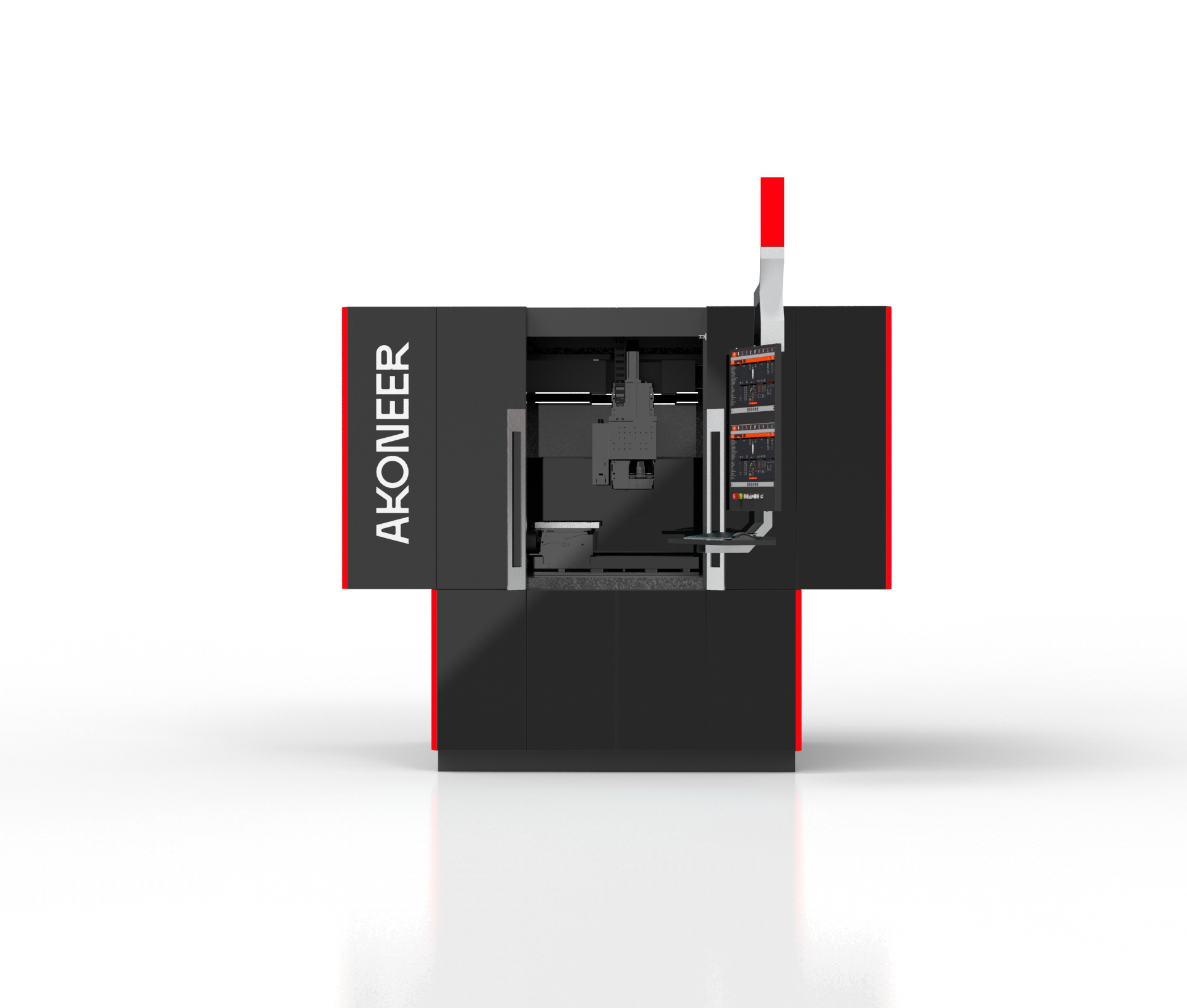
Laser etching is a versatile technology that has rapidly transformed various industries, including the electronics sector. It involves using laser beams to mark or engrave materials without physical contact, resulting in precise and permanent markings. This article explores the application of laser etching in the electronics industry, highlighting its benefits, the technology involved, and its impact on manufacturing processes.
Understanding the basics of laser etching
Laser etching operates by focusing a laser beam on a material's surface, altering its appearance without removing material. Unlike traditional engraving methods that involve cutting or physically altering the material, laser etching uses heat to create marks. This technology can produce high-resolution images, barcodes, serial numbers, and logos on various surfaces, including metals, plastics, and ceramics. The precision of laser etching, with repeatability of ±0.02 mm, makes it ideal for the intricate and delicate components found in electronics.
Applications in the electronics industry
In the electronics industry, laser etching is primarily used for marking components such as circuit boards, semiconductors, keyboards, and mobile devices. The ability to create detailed and small-scale etchings is vital for the dense packaging of electronic parts. For circuit boards, laser etching can mark resistors, capacitors, and integrated circuits with identification codes or branding. This capability ensures traceability, crucial for quality control and inventory management. Additionally, laser etching engraves keypads and buttons on devices, providing durable and wear-resistant markings that maintain clarity through extended use. For example, companies like Siemens have adopted laser etching to improve the traceability of components, reducing errors and improving production efficiency by 15%.
Benefits of laser etching in electronics
Laser etching offers several advantages over traditional marking methods. Its non-contact nature means there is no physical wear and tear on the etching tool, resulting in a longer lifespan for the equipment. The precision and accuracy of laser etching allow for the production of fine details without damaging sensitive electronic components. Additionally, the process is highly automated, reducing the need for manual intervention and increasing production speed, with cutting speeds reaching up to 30 m/min. This automation enhances efficiency and ensures consistency and repeatability in marking processes.
Another significant benefit is the environmental impact. Laser etching is a clean process that does not require inks or chemicals, reducing hazardous waste. This eco-friendly aspect aligns with the increasing demand for sustainable manufacturing practices within the electronics industry. Furthermore, laser etching's ability to work with a wide range of materials makes it a versatile solution for manufacturers looking to reduce costs and simplify production lines.
The technology behind laser etching
The technology driving laser etching involves complex components such as lasers, mirrors, and computer systems. The laser itself can vary in type, with CO2, fiber, and YAG lasers being the most commonly used in electronics etching. Each type of laser has specific properties that make it suitable for different materials. For instance, fiber lasers are often used for metals due to their high energy efficiency and ability to produce deep and durable marks. Typical power levels for these lasers range from 20 to 100 watts.
The process begins with a computer-aided design (CAD) file, which controls the laser's movement and intensity. This precision ensures that the etching is accurate and conforms to exact specifications. The integration of software in laser etching allows for easy customization and adaptability, making it possible to switch designs or marking patterns quickly without significant downtime.
Impact on manufacturing processes
The integration of laser etching in manufacturing processes has revolutionized production lines within the electronics industry. By automating the marking process, manufacturers achieve higher throughput and reduce labor costs. The precision of laser etching minimizes errors and rework, leading to more efficient use of materials and resources.
Moreover, laser etching contributes to product innovation by enabling the creation of intricate designs and patterns that were previously unattainable. This capability allows manufacturers to enhance product aesthetics and functionality, providing a competitive edge in the crowded electronics market. As consumer demand for personalized and unique electronics grows, laser etching offers the flexibility needed to meet these evolving preferences.
Future prospects and innovations
The future of laser etching in electronics is promising, with ongoing advancements in laser technology and materials science. Innovations such as ultrafast lasers and new wavelengths are expanding the potential applications of laser etching. These advancements could lead to even greater precision and efficiency, further reducing production costs and environmental impact.
As the electronics industry continues to evolve, laser etching is likely to play an increasingly important role in shaping its future. The technology's ability to adapt to new materials and designs makes it an indispensable tool for manufacturers looking to stay ahead in a rapidly changing market. By embracing these developments, the electronics industry can continue to benefit from the versatility and precision that laser etching offers.