Electronics laser engraving
Laser engraving is an essential technology in the electronics industry, enabling accurate and durable markings on a variety of components without physical contact.
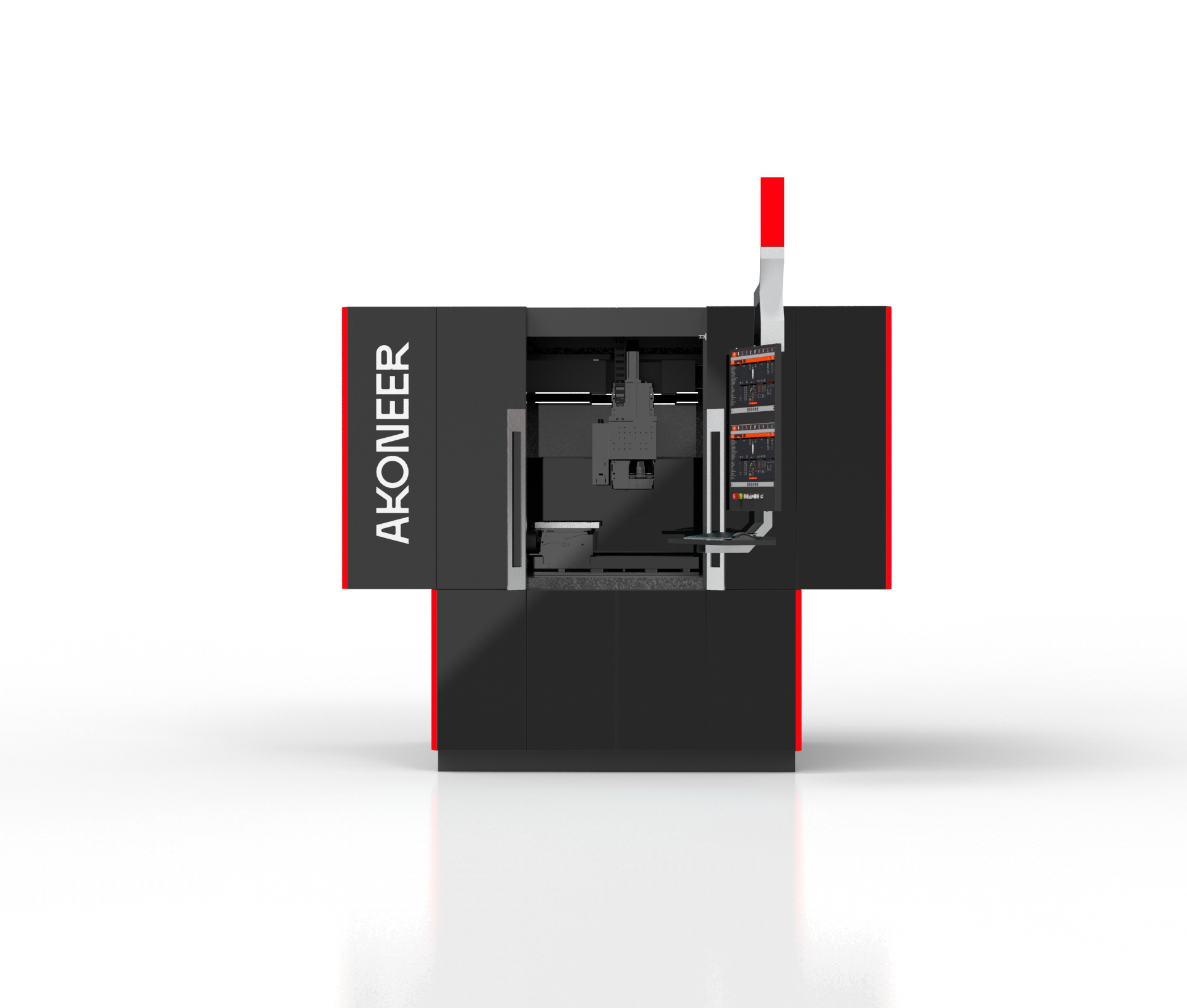
The advancement of laser technology has revolutionized many industries, including electronics. Laser engraving stands out as a precise and versatile method for marking and customizing electronic components. This technique employs focused laser beams to engrave various materials without physical contact, making it ideal for delicate and intricate electronics. As electronic devices become more ubiquitous, the demand for high-quality, reliable markings has never been more critical.
The role of laser engraving in electronics
Laser engraving has become indispensable in the electronics industry due to its precision and versatility. It allows manufacturers to engrave complex designs on small components, ensuring permanent and durable markings. This precision is crucial for applications such as marking circuit boards, branding components, and creating traceability codes. Unlike traditional methods, laser engraving does not exert physical pressure, minimizing damage to sensitive parts.
Moreover, laser engraving can be applied to a range of materials, including metals, plastics, and ceramics, with repeatability as fine as ±0.01 mm. This versatility ensures consistent marking quality across different components. As electronics evolve, the ability to engrave complex patterns quickly and accurately is essential for maintaining quality and compliance with industry standards.
Benefits of laser engraving for electronic components
Laser engraving offers numerous advantages for electronic components, including high precision and repeatability. Computer-controlled laser systems can engrave intricate designs with micron-level accuracy. This precision reduces errors and waste. Additionally, laser engraving is a non-contact process, eliminating the risk of physical damage or deformation to components.
The permanence of laser engravings, which are resistant to wear, corrosion, and fading, ensures that critical information remains legible throughout a product's lifespan. This is crucial for traceability and compliance, helping prevent issues related to counterfeit products and improving overall product quality. Laser engraving is highly efficient and can be easily integrated into automated production lines, increasing throughput and reducing costs. The speed and efficiency make it ideal for high-volume production environments.
Applications of laser engraving in the electronics industry
The applications of laser engraving in electronics are diverse and expanding. One common use is engraving serial numbers, barcodes, and QR codes on components, essential for tracking products throughout the supply chain. Laser engraving also creates branding and decorative elements on devices, adding customization and brand recognition. This capability is valuable for consumer electronics, where aesthetics play a significant role in purchasing decisions.
Additionally, laser engraving is used in the production of printed circuit boards (PCBs), enabling precise marking of components and pathways, crucial for accurate assembly and functionality. The ability to mark PCBs with high precision helps maintain quality control and reduce defects. For instance, Apple Inc. uses laser engraving in their production lines to ensure the precision and clarity of markings on their components, enhancing traceability and reducing defect rates by up to 30%.
Future trends and innovations in electronics laser engraving
The future of electronics laser engraving is promising, with advancements poised to enhance its capabilities. One key trend is the development of ultrafast lasers, offering greater precision and speed, with cutting speeds reaching 30 m/min. These lasers achieve higher detail and resolution, enabling miniaturization and complexity in components.
Another area of innovation is integrating artificial intelligence and machine learning into laser systems. These technologies optimize engraving processes by analyzing data and making real-time adjustments to improve accuracy and efficiency, further reducing errors and enhancing overall quality.
As sustainability becomes a growing concern, laser engraving offers an environmentally friendly alternative to traditional methods. Unlike ink-based printing, laser engraving does not produce waste or require consumables, reducing the environmental impact. As companies strive to meet sustainability goals, the adoption of laser engraving is likely to increase.
In summary, electronics laser engraving is a critical technology offering precision, efficiency, and durability for marking and customizing components. Its applications are vast, and its benefits numerous, making it essential for manufacturers in the electronics industry. As technology advances, laser engraving will play an increasingly important role in the production and innovation of electronic devices.