Deep laser engraving
Deep laser engraving offers durable and intricate results, enhancing various industries by etching materials with high-powered laser technology.
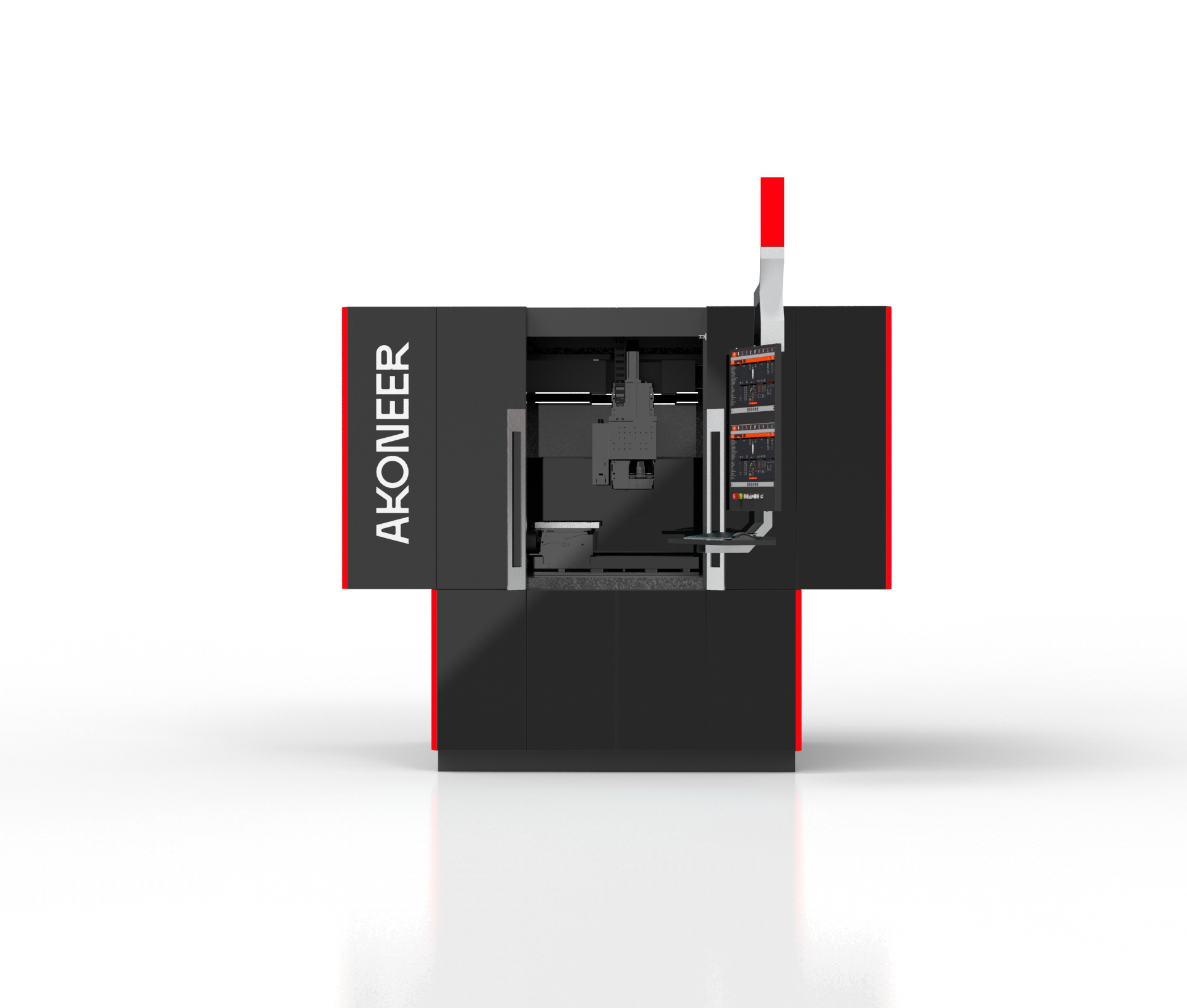
Deep laser engraving is a powerful technique that has rapidly evolved due to advancements in laser technology. Unlike superficial methods, deep laser engraving penetrates materials significantly, offering durability, precision, and versatility across various industries. This article explores the principles behind deep laser engraving, its benefits, materials that can be engraved, industrial applications, and future trends.
Principles of deep laser engraving
Deep laser engraving uses high-powered laser beams to remove material from a substrate, achieving a desired depth. This process relies on the laser's ability to deliver concentrated energy to a specific spot, vaporizing or melting the material to create a permanent mark. Engraving depths can vary based on the laser power, exposure duration, and material type. Modern laser systems, boasting power levels between 2–6 kW, achieve intricate designs with high precision, ideal for applications requiring exact specifications.
Lasers typically operate in the infrared spectrum, with fiber lasers and CO2 lasers being the most common. Fiber lasers excel in metal engraving due to high beam quality and energy efficiency, while CO2 lasers are better suited for non-metallic materials like wood, acrylic, and glass. Material and task requirements heavily influence laser choice.
Benefits of deep laser engraving
One primary advantage of deep laser engraving is its ability to produce highly durable marks, capable of withstanding extreme temperatures, friction, and chemical exposure. This durability is crucial for industrial applications where longevity is essential. Moreover, deep laser engraving provides unparalleled precision, allowing for complex designs' reproduction with high fidelity, which is vital in industries where minor deviations can lead to significant losses or safety risks.
The process is non-contact, minimizing the risk of material damage and ensuring integrity. This is particularly beneficial with delicate or high-value items. For instance, a renowned aerospace company uses deep laser engraving to mark components with critical data, maintaining visibility throughout the product lifecycle and enhancing traceability.
Materials suitable for deep laser engraving
Deep laser engraving is versatile across a wide range of materials. Metals like stainless steel, aluminum, brass, and titanium are typically engraved using fiber lasers. These materials are essential in automotive, aerospace, and medical industries due to their durability and corrosion resistance. Engraving on metals can produce readable text, logos, and serial numbers, maintaining legibility after prolonged use.
Non-metallic materials, including wood, leather, glass, and some plastics, are effectively engraved using CO2 lasers. For example, wood can be deeply engraved to create intricate patterns for furniture design or artistic projects. Glass engraving allows for detailed images and text on items like awards, decorative pieces, and signage. The ability to engrave such a diverse range of materials highlights deep laser engraving technology's adaptability.
Industrial applications of deep laser engraving
The industrial applications of deep laser engraving are vast and varied. In the automotive industry, it marks parts for traceability and identification, ensuring compliance with safety standards and facilitating quality control. The medical industry uses it to mark surgical instruments and implants with essential information like part numbers, without compromising sterility or functionality. In electronics, deep laser engraving marks circuit boards and components, ensuring accurate assembly and reducing error risks.
Future trends in deep laser engraving
The future of deep laser engraving promises further advancements in technology and applications. Innovations in laser sources, such as ultrafast lasers, may enhance precision and speed, allowing for more detailed designs. The integration of artificial intelligence and machine learning could improve laser systems' efficiency, enabling adaptation to different materials and conditions with minimal human intervention.
The growing emphasis on sustainability is likely to influence laser engraving technology development. Energy-efficient systems and environmentally friendly materials could become more prevalent, aligning with global efforts to reduce carbon footprints and promote responsible manufacturing practices.
In summary, deep laser engraving is a versatile and powerful tool gaining importance across multiple industries. Its ability to create durable, precise, and intricate engravings on a wide range of materials makes it invaluable in modern manufacturing and design. As technology advances, deep laser engraving is poised to play an even more significant role in shaping the future of industrial applications.