Custom laser etching
Custom laser etching employs laser beams to create permanent, intricate designs on various materials, benefiting industries with its efficiency and versatility.
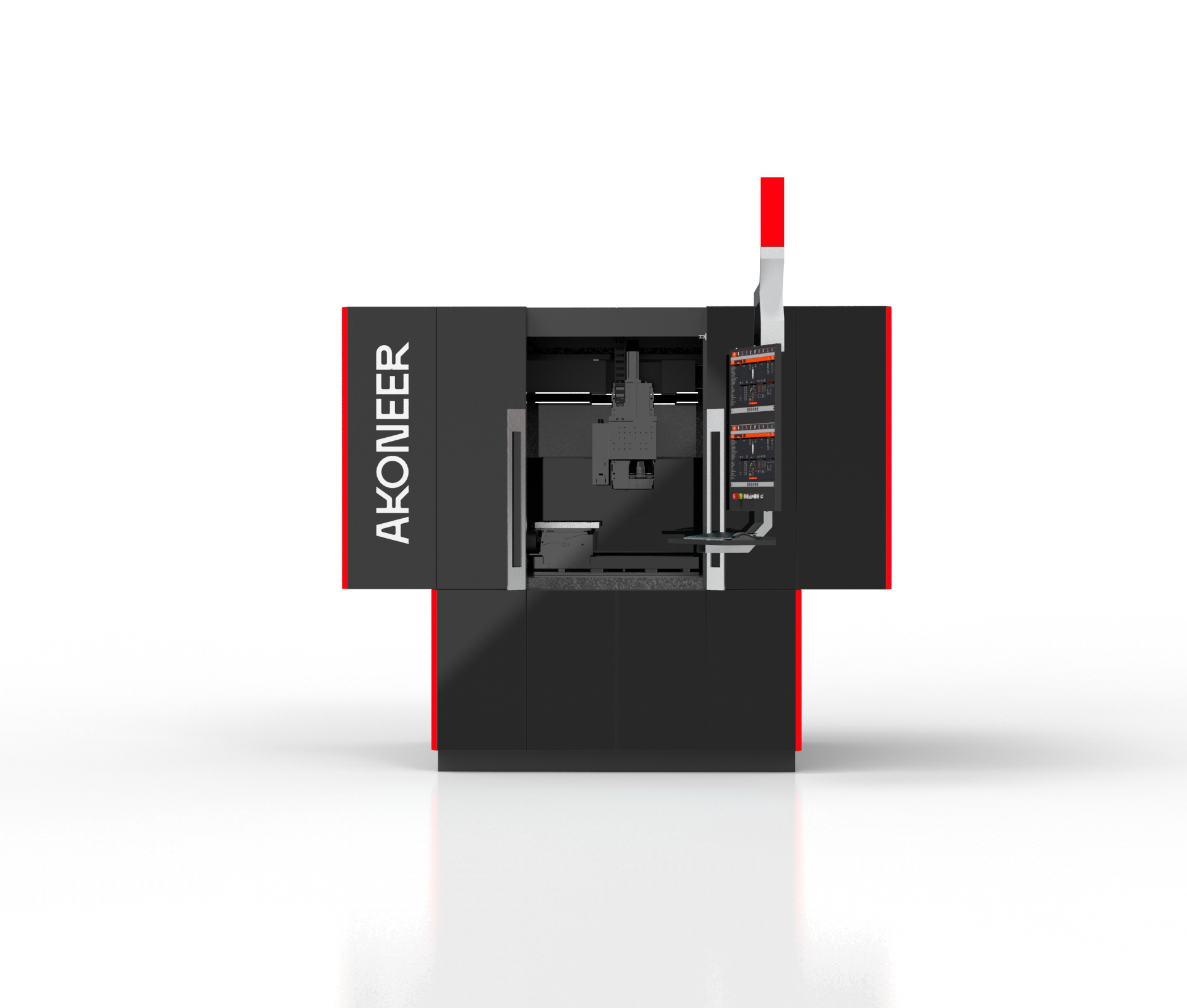
Custom laser etching is a transformative technology revolutionizing industries by delivering precision, versatility, and efficiency. This process employs laser beams to engrave or mark materials with intricate designs, logos, text, or images. As demand for personalized products and detailed design work grows, understanding the capabilities and applications of custom laser etching is crucial for both businesses and consumers.
The technology behind laser etching
Laser etching, a subset of laser engraving, uses a concentrated light beam to remove material from surfaces, creating permanent marks. This technique involves a laser machine emitting a high-intensity beam that interacts with the material's surface. The heat from the laser vaporizes or melts the material, etching a design onto it. Laser etching is highly precise, achieving intricate designs that traditional methods find challenging.
Laser types vary by material and desired outcome. CO2 lasers, for instance, are suitable for organic materials like wood and acrylic, while fiber lasers effectively handle metals and plastics. Each laser type has distinct characteristics that tailor the etching process to specific project needs. Fiber lasers, with a power range of 20 to 50 watts, can achieve repeatability of ±0.02 mm.
Applications of custom laser etching
Custom laser etching finds applications across diverse industries. In manufacturing, it aids product identification and traceability by marking components with serial numbers, barcodes, or QR codes, enhancing quality control and supply chain management. In design and fashion, laser etching creates unique patterns and textures on materials like leather, fabric, and metals, allowing designers to develop standout products. The precision and speed of laser etching facilitate mass production of complex designs without compromising quality.
Personalizing consumer products is another significant application. Custom laser etching personalizes items like jewelry, electronics, and promotional products. Etching names, logos, or personal messages onto items enhances their value and appeal to consumers seeking unique, meaningful products. A notable example is Apple's use of laser etching to personalize AirPods cases, increasing consumer engagement and boosting sales.
Advantages of laser etching
Laser etching offers numerous advantages over traditional engraving methods. Its precision captures even the smallest details, crucial for high-resolution images and intricate patterns. The non-contact nature minimizes material wear, reducing damage risk and ensuring high-quality finishes. Moreover, laser etching is efficient, producing large quantities in short timeframes, appealing to businesses scaling production without quality loss.
Another advantage is its versatility, applying to a wide range of materials, including metals, plastics, glass, wood, and ceramics. This flexibility allows businesses to use laser etching for diverse applications, from industrial component marking to artistic design work.
Considerations for investing in laser etching technology
Businesses considering laser etching technology should evaluate several factors. The initial cost of a laser etching machine can be significant, but long-term benefits often outweigh this investment. Benefits include increased production efficiency, reduced labor costs, and customization capabilities. It's crucial to assess business needs and material types. Different machines optimize for different materials, ensuring the best results. Additionally, consider manufacturer support and training, which significantly impact technology integration ease.
Future trends in laser etching
The future of custom laser etching is promising, with ongoing advancements in laser technology enhancing capabilities. Innovations like ultrafast lasers and three-dimensional etching expand possibilities, likely driving adoption across new industries and applications. As consumer demand for personalized products rises, businesses investing in laser etching technology are well-positioned to capitalize on this trend. Offering customized, high-quality products provides a competitive market advantage.
In summary, custom laser etching is a powerful tool offering precision, versatility, and efficiency across diverse applications. Its ability to create detailed designs on various materials is invaluable for businesses enhancing product offerings and streamlining production. As technology evolves, the potential of laser etching will continue to grow, unlocking new opportunities for innovation and creativity.