Custom laser engraving machine
Custom laser engraving machines enable intricate designs on diverse materials, enhancing efficiency and versatility in various industries.
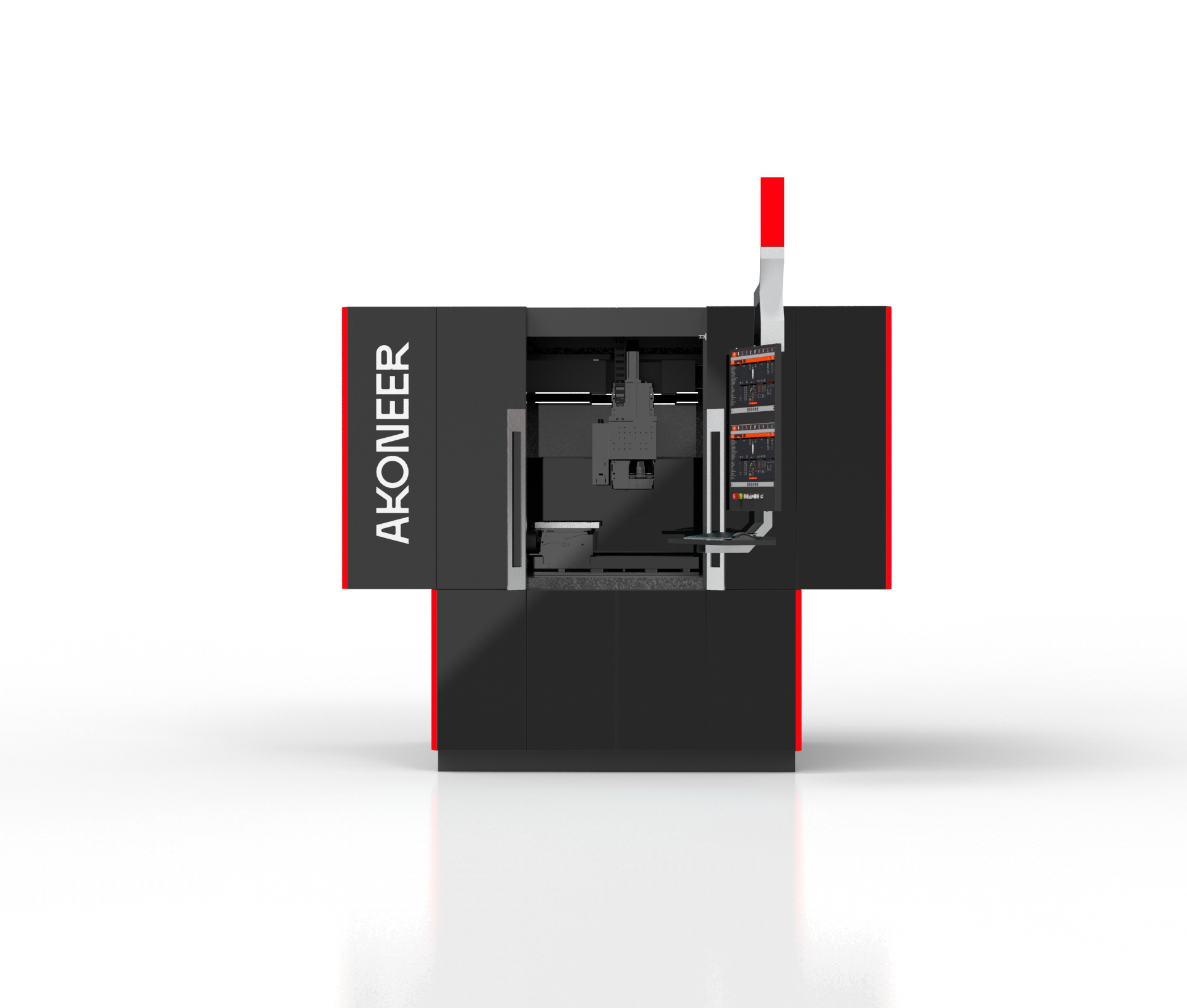
The world of engraving has undergone a significant transformation with the advent of laser technology. Among the most versatile tools in this domain is the custom laser engraving machine. These machines are indispensable in numerous industries due to their precision, efficiency, and ability to deliver intricate designs on a wide array of materials. From personalized gifts to industrial components, their applications are as diverse as the materials they can work with. Understanding how these machines operate, their benefits, limitations, and potential is essential for anyone interested in modern manufacturing or creative design.
The mechanics behind laser engraving
At the heart of a custom laser engraving machine is the laser beam, a concentrated light source capable of removing material from a surface with pinpoint accuracy. The laser emits a high-energy beam focused on an area as small as 0.1 mm, allowing it to vaporize, melt, or fracture the material. Computer software controls this process, guiding the laser according to the design input. The precision of the laser allows for detailed patterns and images to be engraved on various substrates, including metal, wood, glass, and plastic. These machines can adjust the laser's intensity and speed, enabling them to handle materials with varying hardness and thickness, such as cutting steel up to 20 mm thick.
Applications across industries
Custom laser engraving machines find applications in numerous industries. In the manufacturing sector, they mark parts with serial numbers, barcodes, and logos, ensuring traceability and brand identity. The jewelry industry benefits from laser engraving's precision, enabling intricate designs on metal surfaces without the risk of damage from traditional methods. The advertising and promotional sectors use these machines to personalize trophies, plaques, and corporate gifts, adding value through customization. Even in the medical field, laser engravers mark surgical instruments with identification codes, enhancing safety and accountability. For instance, Boeing utilizes laser engraving to ensure precise part identification, significantly boosting production efficiency and traceability.
Advantages of laser engraving
Several advantages make custom laser engraving machines a preferred choice for businesses and artisans alike. The non-contact nature of laser engraving ensures no physical wear on the machine or the material, reducing maintenance costs and increasing the equipment's lifespan. The precision of the laser guarantees high-quality, consistent results that are difficult to achieve with traditional engraving methods. Furthermore, laser engraving is a fast process, with cutting speeds reaching 30 m min⁻¹, making it suitable for both small batch and high-volume production. The ability to easily switch between designs without changing physical tools enhances the flexibility and efficiency of these machines.
Challenges and considerations
Despite their many advantages, custom laser engraving machines present challenges. The initial investment in purchasing and setting up a laser engraving system can be substantial, posing a barrier for small businesses or individual craftsmen. Additionally, while laser engraving suits many materials, some substances, like certain plastics and reflective metals, may require specialized lasers or coatings to achieve desired results. Safety is another consideration; operators must be trained to handle the machines correctly to prevent accidents or injuries. Proper ventilation and protective equipment are necessary to manage fumes and debris generated during the engraving process.
Future prospects and innovations
The future of custom laser engraving machines is promising, with ongoing innovations continually expanding their capabilities. Advances in laser technology, such as fiber lasers, are increasing the range of materials that can be engraved and improving energy efficiency. Software developments are making it easier to create complex designs and integrate engraving processes into larger manufacturing systems. As industries increasingly demand customization and personalization, the role of laser engraving machines will likely grow, providing solutions that are both creative and practical.
Choosing the right machine
Selecting the appropriate custom laser engraving machine depends on several factors. The material type and thickness, desired precision, and production volume are all crucial considerations. Machines vary in terms of laser source, power, and cost, each suited to specific applications. For instance, a CO2 laser may be ideal for organic materials like wood and leather, while a fiber laser is better suited for metals. Evaluating these aspects in the context of one’s specific needs will ensure that the investment in a laser engraving machine is both practical and profitable.
Custom laser engraving machines represent a fusion of technology and creativity, offering opportunities for innovation across different fields. They are tools that embody precision, efficiency, and versatility, making them invaluable in modern manufacturing and design. As technology continues to evolve, these machines will undoubtedly play a significant role in shaping the future of customization and personalization in various industries.