Custom laser engraving
Custom laser engraving offers detailed and versatile designs across various materials, making it a practical choice for numerous applications in both industrial and consumer markets.
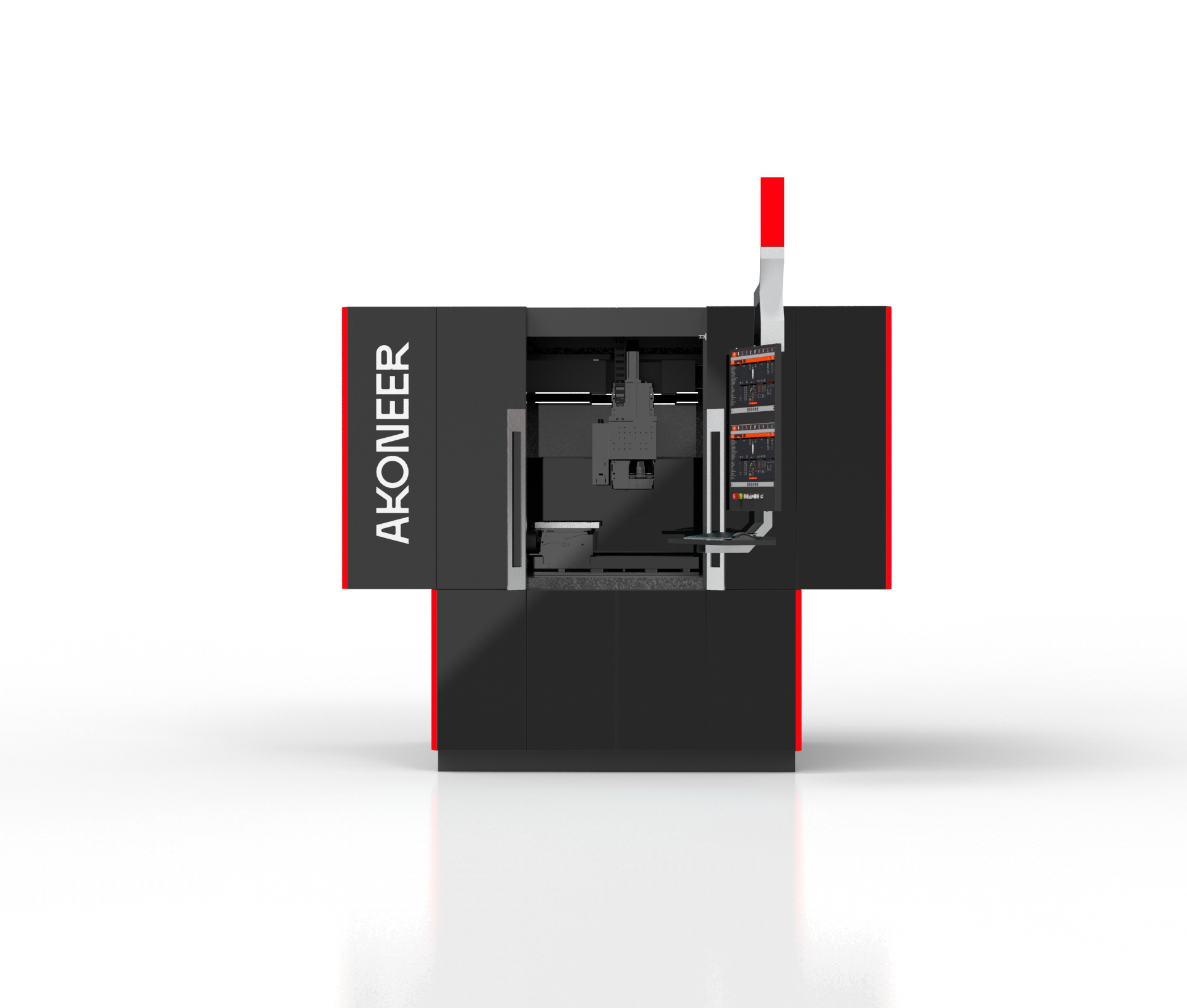
Custom laser engraving has become a popular choice for businesses and individuals seeking precision and uniqueness in their designs. This technology uses laser beams to engrave or mark objects, creating intricate patterns, logos, or text on various materials. The process is versatile and efficient, making it suitable for a wide range of applications. In this article, we explore the advantages, applications, and considerations involved in custom laser engraving.
The advantages of laser engraving
One primary advantage of laser engraving is its precision. Unlike traditional methods, it can achieve detailed designs with high accuracy, essential for industries requiring exact specifications, such as electronics and aerospace. The laser beam can be controlled with an impressive repeatability of ±0.02 mm, allowing intricate patterns and small text to be engraved clearly.
Another significant advantage is the versatility of materials that can be engraved. Laser engraving is applicable to wood, metal, glass, plastic, and leather. This ability to work with diverse materials opens numerous possibilities for customization, making it a popular choice for personalized gifts, corporate branding, and industrial applications.
Laser engraving is also a non-contact process, meaning the laser never physically touches the material. This reduces wear on both the machine and the material, resulting in a longer lifespan for equipment and preserving the integrity of the engraved object. Additionally, it is a computerized process, ensuring consistency across multiple items, which is crucial for mass production.
Applications of custom laser engraving
The applications of custom laser engraving are vast and varied. In the industrial sector, laser engraving is used to mark parts with serial numbers, barcodes, and logos, essential for traceability and quality control. For example, Boeing uses laser engraving to mark aircraft components with serial numbers, ensuring each part can be identified and tracked throughout its lifecycle.
In the consumer market, laser engraving is popular for creating personalized products. From custom jewelry and engraved watches to personalized phone cases and nameplates, the options are endless. This ability to create unique, one-of-a-kind items makes laser engraving a favored choice for gifts and keepsakes.
The promotional products industry also benefits from laser engraving. Companies can engrave their logos or messages on items like pens, keychains, and awards. This enhances brand visibility and adds sophistication to promotional items.
Considerations for choosing laser engraving
While laser engraving offers numerous benefits, several considerations must be kept in mind. The type of laser used can affect the engraving outcome. CO2 lasers, typically ranging from 2 to 6 kW in power, are commonly used for non-metal materials like wood and acrylic. In contrast, fiber lasers are better suited for metals. Understanding the capabilities of each laser type is crucial for achieving the desired results.
The choice of material also plays a significant role in the engraving process. Different materials react differently to laser engraving, affecting the quality and appearance of the final product. For instance, wood can burn easily, leading to darker engravings, while metals may require more power for deeper engravings.
Additionally, the design complexity can impact the engraving process. More intricate designs may require longer engraving times and higher precision settings. This can affect the overall cost and turnaround time for custom engraving projects. Therefore, balancing design intricacy with practical considerations is essential.
The future of custom laser engraving
As technology continues to advance, the future of custom laser engraving looks promising. Innovations in laser technology are leading to faster engraving speeds and even greater precision. New software developments are making it easier to create complex designs and integrate them into the engraving process seamlessly.
Sustainability is becoming an important consideration in the laser engraving industry. Manufacturers are exploring eco-friendly practices and materials to reduce the environmental impact of engraving processes. This shift towards sustainability is likely to influence the development of new laser technologies that are both efficient and environmentally responsible.
In summary, custom laser engraving offers a unique combination of precision, versatility, and efficiency. Its applications span a wide range of industries, from industrial parts marking to personalized consumer products. While there are considerations to keep in mind, such as laser type and material choice, the benefits of laser engraving make it a compelling option for those seeking customized, high-quality engravings. As technology and sustainability practices continue to evolve, the potential for custom laser engraving will only grow, opening new opportunities for innovation and creativity.