Cost of laser engraving machine
Explore key factors influencing laser engraving machine costs to make informed purchasing decisions for business or hobby use.
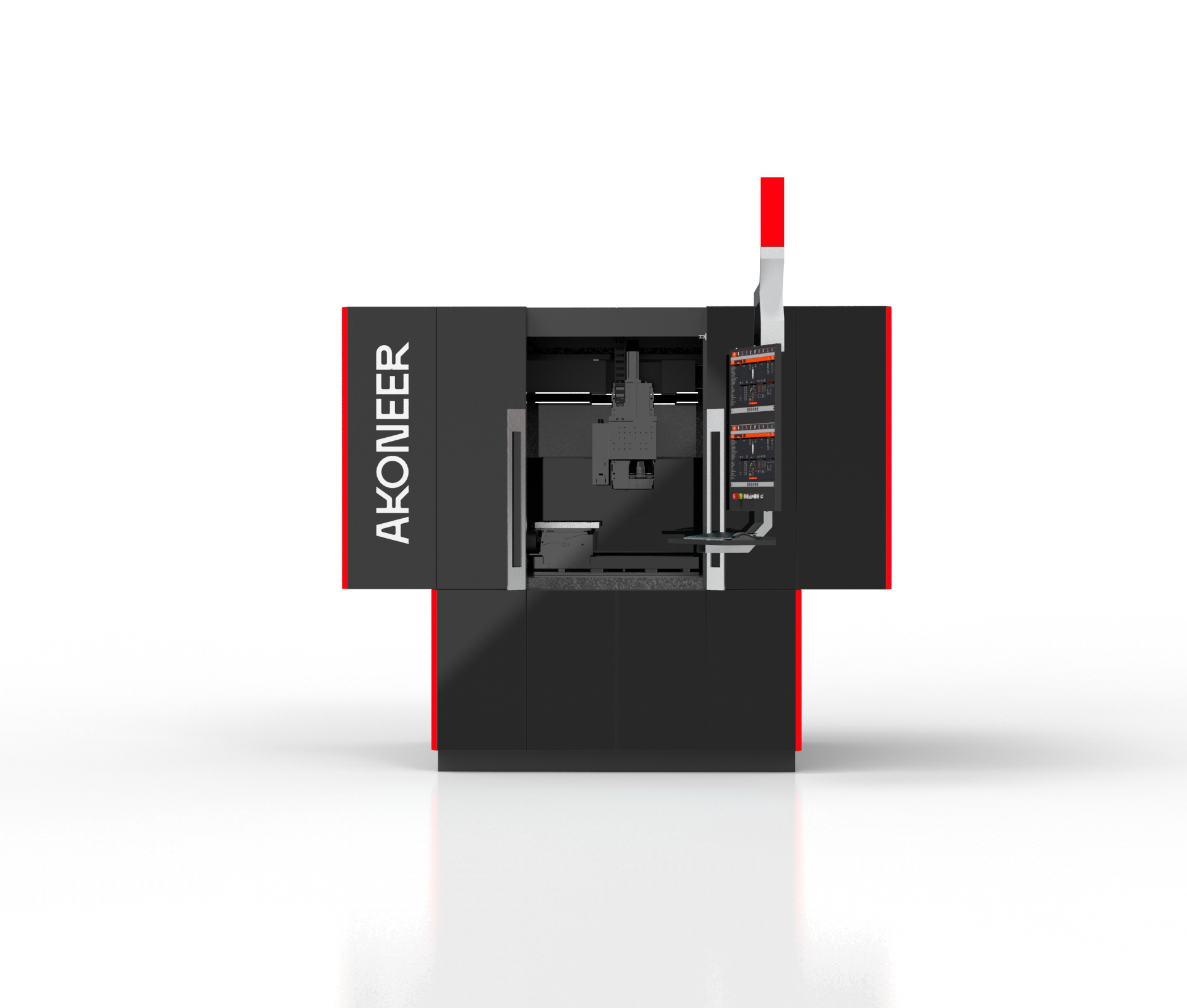
Understanding the cost of laser engraving machines is essential for businesses and hobbyists investing in this technology. These machines have grown in popularity due to their precision and versatility in engraving, marking, and cutting various materials. Several factors influence pricing, including machine type, power, size, and additional features.
Types of laser engraving machines
Laser engraving machines come in different types, each with its own advantages and price points. The three primary types are CO2, fiber, and diode lasers. CO2 lasers are popular for their ability to work on non-metal materials like wood, acrylic, and glass. They are generally priced at a mid-range level, making them accessible to both small businesses and serious hobbyists.
Fiber lasers, on the other hand, are designed for engraving metals and some plastics. They are often more expensive due to their advanced technology and capability to engrave hard materials with precision. These machines are commonly used in industrial settings where metal marking is required. For example, XYZ Manufacturing uses fiber lasers to mark serial numbers on steel parts, reducing production time by 30%.
Diode lasers are typically the most affordable option and are suitable for beginners or those with less demanding projects. They are ideal for engraving softer materials but lack the power and speed of CO2 and fiber lasers. Understanding the types of machines available helps buyers choose one that meets their specific needs while aligning with their budget.
Power and performance considerations
The power of a laser engraving machine is a critical factor that affects both its performance and cost. Measured in watts, laser power determines how quickly and deeply a machine can engrave a material. Higher wattage machines, such as those ranging from 40 to 150 watts, are generally more expensive but offer faster processing times and the ability to handle thicker or more durable materials.
For hobbyists or small businesses dealing with light materials, a machine with lower wattage may suffice and offer a cost-effective solution. Conversely, for industrial applications requiring deep engravings or working with metals, investing in a high-power machine is necessary despite the higher cost. Selecting the appropriate power level is essential to balance cost and functionality. Buyers should assess their material types and engraving needs to determine the power level that provides the best value for their intended use.
Size and work area
The size of the laser engraving machine and its work area significantly influence cost. Machines with larger work areas, such as 24 x 36 inches, allow for engraving bigger items or multiple pieces simultaneously, enhancing productivity. However, these machines require more materials and engineering, leading to higher prices.
For businesses with a high volume of large items to engrave, investing in a machine with an expansive work area can improve efficiency and justify the expense. Conversely, smaller machines with limited workspace are more affordable and suitable for projects involving smaller items or lower production volumes. Choosing the right size is a balancing act between cost and operational needs. Consider the typical size of items to be engraved and the production scale to determine the most suitable machine size.
Additional features and accessories
Modern laser engraving machines come with various additional features and accessories that can affect the overall cost. Features such as auto-focus, rotary attachments, and advanced software interfaces can enhance the machine's functionality and user experience.
Auto-focus features adjust the laser height automatically, improving precision, while rotary attachments allow for engraving cylindrical objects. These enhancements, while increasing the machine's price, can provide significant benefits in terms of versatility and ease of use. Businesses aiming for high productivity and diverse applications may find value in machines with these additional features. However, for those with simpler needs, opting for a basic model without extra features can help keep costs down.
Maintenance and operating costs
Beyond the initial purchase price, the cost of ownership of a laser engraving machine includes maintenance and operating expenses. Regular maintenance is necessary to ensure the machine’s longevity and optimal performance. This can include cleaning, part replacements, and software updates, all of which incur costs over time.
Operating costs, such as electricity consumption and consumables like lenses and mirrors, also add to the total cost of ownership. While these ongoing costs are unavoidable, they vary based on machine type and usage intensity. Planning for these expenses is crucial when evaluating the overall cost of a laser engraving machine. A machine with a higher initial price but lower maintenance and operating costs might offer better value in the long run.
Understanding the various factors that affect the cost of laser engraving machines can help potential buyers make informed decisions. By considering the type of machine, power requirements, size, additional features, and ongoing maintenance, buyers can select a machine that aligns with their budget and operational needs. This informed approach ensures that the investment in laser engraving technology yields the desired returns, whether for personal projects or commercial applications.