Copper laser cutting
Copper laser cutting is essential in modern manufacturing, offering efficiency and detailed work for diverse industrial applications.
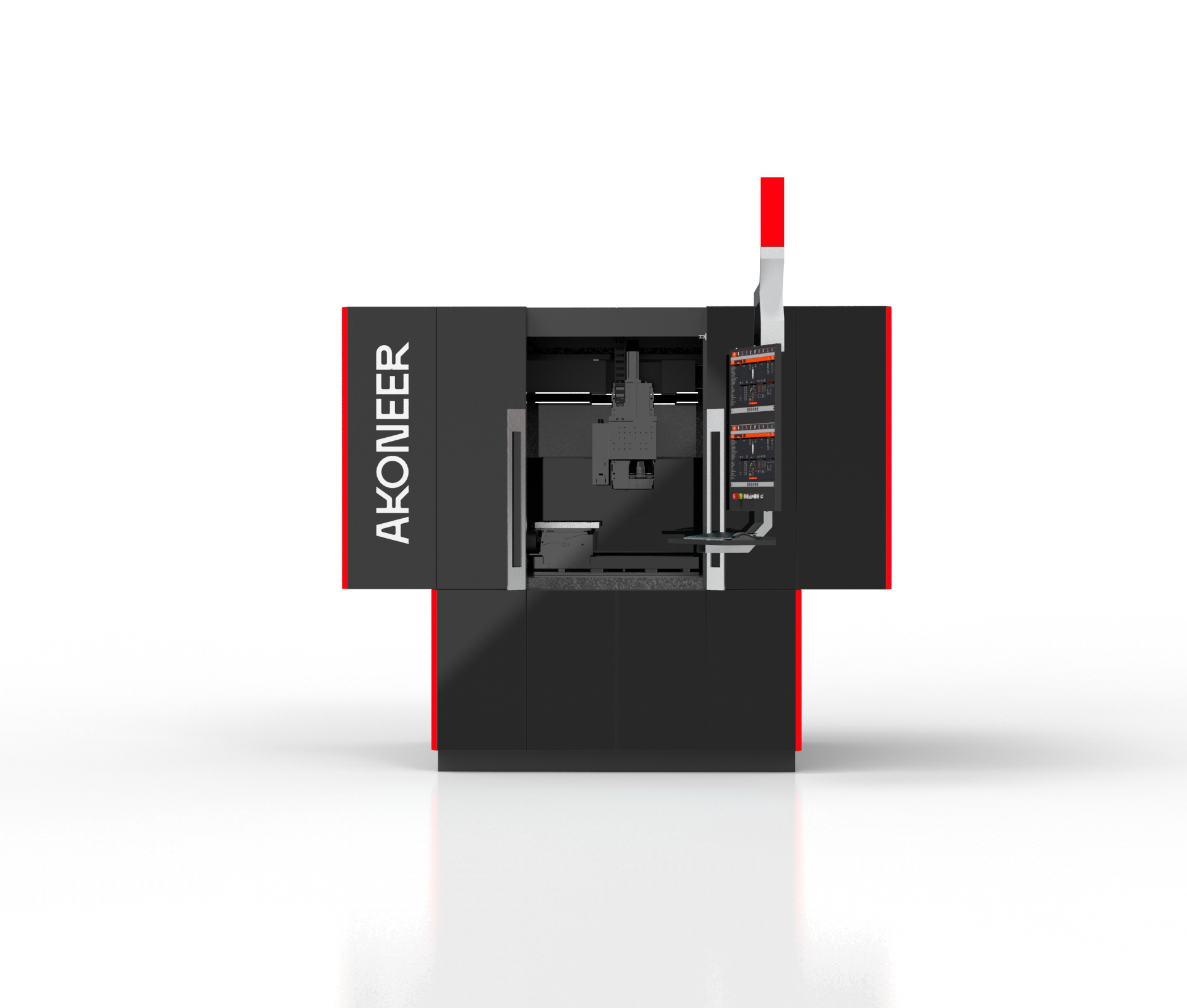
Copper laser cutting is a critical process in manufacturing and industrial applications. Laser cutting technology offers precision and efficiency, making it an ideal choice for working with copper. This article explores the intricacies of copper laser cutting, including its advantages, challenges, applications, and advancements in technology.
The importance of copper in industry
Copper is a versatile metal with excellent thermal and electrical conductivity, corrosion resistance, and malleability. These properties make it an essential material in various industries, including electrical, automotive, and architecture. The ability to cut copper with precision is vital to maintaining the quality and effectiveness of copper-based components. Laser cutting emerges as a preferred method due to its ability to produce intricate designs and maintain the structural integrity of copper.
How laser cutting works
Laser cutting involves using a high-powered laser beam to melt, burn, or vaporize material. The process is controlled by a computer, guiding the laser along a specified path. With copper, the laser must be carefully calibrated to account for its reflective surface. Critical factors include the laser's wavelength, power, and speed, ensuring clean cuts without damaging the material. Typical laser power ranges from 2 to 6 kW, with a kerf of approximately 0.1 mm. The process produces minimal waste and handles complex shapes and tight tolerances, making it superior to traditional methods.
Advantages of laser cutting copper
Precision is a primary advantage of using lasers to cut copper. The laser beam can focus on a very small area, achieving intricate and detailed cuts. This precision reduces the need for post-processing and increases production efficiency. Additionally, laser cutting is a non-contact process, minimizing physical damage to the copper. The heat-affected zone is also smaller compared to other methods, preserving copper's properties.
The speed of laser cutting is another advantage. The process is faster than mechanical cutting methods, which significantly reduces production times. Laser cutting systems can be automated, allowing for continuous operation and increased throughput. This automation not only saves time but also reduces labor costs, making it a cost-effective solution for manufacturers. For example, Tesla uses laser cutting in its automotive production, achieving faster turnaround times and enhanced component quality.
Challenges in copper laser cutting
Despite its advantages, copper laser cutting presents certain challenges. Copper's high reflectivity can cause a significant amount of the laser energy to be reflected rather than absorbed, leading to inefficiencies and potential equipment damage. Specialized lasers, such as fiber lasers, are often used to overcome this, as they have wavelengths better absorbed by copper, reducing reflection and improving cutting efficiency.
Heat management is another challenge. Excessive heat can lead to warping or deformation. Manufacturers must control the laser's power and speed to ensure clean cuts without overheating. Proper ventilation and cooling systems are essential to manage heat buildup, and repeatability is typically within ±0.02 mm, ensuring consistency.
Applications of copper laser cutting
Copper laser cutting is used in a variety of applications across different industries. In the electrical industry, laser-cut copper is used to create components such as busbars, connectors, and circuit boards. The precision of laser cutting ensures that these components fit perfectly and function effectively.
In the automotive industry, copper laser cutting is used to produce parts for electric vehicles. The increasing demand for electric vehicles has led to a greater need for efficient and precise manufacturing processes. Laser cutting meets these needs by producing high-quality copper components for batteries and electric motors.
The architecture industry also benefits from copper laser cutting. Copper is often used in architectural elements for its aesthetic appeal and durability. Laser cutting allows designers to create intricate patterns and designs that enhance the visual appeal of buildings.
Advancements in copper laser cutting technology
Recent advancements in laser cutting technology have further improved the efficiency and effectiveness of cutting copper. The development of fiber lasers and disk lasers has provided more options for manufacturers. These lasers offer higher power and better absorption for reflective materials like copper. Additionally, advancements in computer numerical control (CNC) technology have improved the precision and repeatability of the cutting process.
Automation has also played a significant role in advancing copper laser cutting. Modern laser cutting systems can be integrated with automated material handling and inspection systems. This integration reduces human error and increases production efficiency. As technology continues to evolve, the potential for copper laser cutting to grow and adapt to new challenges is significant.
The future of copper laser cutting
The future of copper laser cutting looks promising as technology continues to advance. The demand for copper components in emerging industries, such as renewable energy and electronics, is expected to grow. Manufacturers will need to adopt innovative cutting solutions to meet this demand. Continued research and development in laser technology will likely lead to even more efficient and precise cutting methods.
Copper laser cutting remains a vital process in modern manufacturing. Its ability to produce accurate and high-quality components makes it an indispensable tool for industries worldwide. As technology progresses, the role of laser cutting in shaping the future of copper utilization will undoubtedly expand, offering new possibilities and opportunities.