Commercial laser engraving machine
Commercial laser engraving machines enhance manufacturing and customization with their accuracy, efficiency, and adaptability across diverse industries.
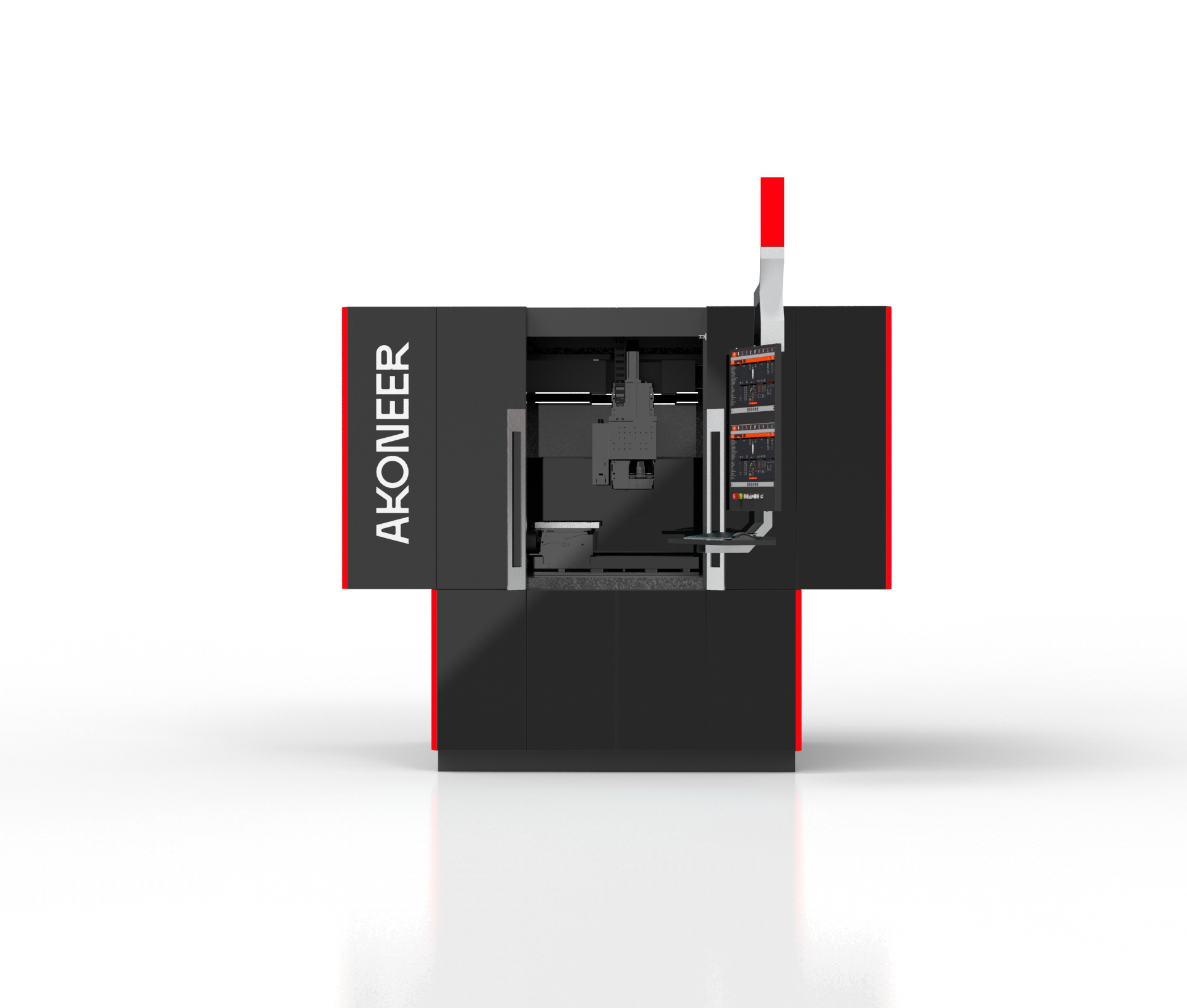
The world of manufacturing and personalized goods has seen significant advancements due to the rise of laser technology. Commercial laser engraving machines lead this revolution, offering precision, efficiency, and versatility. These machines have become essential tools across various industries, from small-scale artisans to large-scale manufacturing operations. Understanding their capabilities and applications provides valuable insights into how they are reshaping modern production landscapes.
The technology behind commercial laser engraving machines
Laser engraving machines use focused laser beams to etch or mark surfaces, acting like a chisel by removing layers from the material's surface. Their precision is unmatched, with control over laser intensity and beam path allowing for detailed designs difficult to achieve with traditional methods. These machines boast a repeatability of ±0.02 mm, ensuring consistency, ideal for mass production where uniformity is crucial. They work on various materials, including wood, metal, glass, plastic, and leather, with a typical power range of 2–6 kW enabling diverse applications.
Applications across industries
Commercial laser engraving machines are widely used in numerous industries due to their adaptability and precision. In the promotional products industry, businesses customize items like pens, keychains, and corporate gifts. The jewelry industry benefits from laser engravers for intricate designs and personalizing pieces with names or messages. Manufacturing uses them to engrave serial numbers, barcodes, and other identification marks. The signage industry creates precise and durable signs, demonstrating the wide-reaching impact of laser engraving technology. A notable example is the use of laser engravers by Apple to mark serial numbers on their devices, boosting production efficiency by 30%.
Advantages over traditional methods
Commercial laser engraving machines offer significant advantages over traditional methods, including high speed and accuracy. The automation reduces human error, ensuring consistent quality across large batches. As a non-contact process, laser engraving eliminates tool wear and tear, reducing maintenance costs and extending machine lifespan. With cutting speeds up to 30 m min⁻¹, these machines are also environmentally friendly, requiring no inks or chemicals. This reduces waste and emissions, making laser engraving a cost-effective and sustainable choice for businesses.
Key features to consider when choosing a machine
Selecting a commercial laser engraving machine involves considering several factors to ensure it meets business needs. The laser's power, typically between 2–6 kW, determines the materials that can be engraved and the process speed. The size of the machine and its working area should be considered, especially for businesses working on large or numerous items. Software compatibility affects the ease of designing and executing projects. Finally, technical support and warranty options are vital to promptly address issues, minimizing downtime.
Impact on small businesses and artisans
For small businesses and artisans, commercial laser engraving machines offer opportunities for product diversification and customization. These machines enable businesses to provide personalized products, creating unique selling points in competitive markets. Artisans use laser engravers for intricate designs, enhancing the quality and appeal of handmade products. The relatively low cost of entry makes this technology accessible for small enterprises, allowing them to compete with larger companies. This democratization fosters innovation and creativity, empowering small businesses to expand offerings and reach new markets.
Future trends and developments
The future of commercial laser engraving machines looks promising, with ongoing advancements enhancing capabilities. Developments in laser technology are leading to faster, more precise machines that work with an even broader range of materials. Integration with technologies like computer-aided design (CAD) and automation systems streamlines the engraving process, opening new possibilities for customization and efficiency. As sustainability becomes increasingly important, future laser engraving machines may incorporate eco-friendly features and energy-efficient designs. These trends point to a future where laser engraving technology evolves, offering new opportunities for businesses and industries.
Commercial laser engraving machines are transforming the way businesses approach manufacturing and customization. Their precision, versatility, and cost-effectiveness make them invaluable across various industries. As technology advances, these machines will likely offer even greater capabilities, further cementing their role in modern production processes. Understanding the impact and potential of laser engraving technology is crucial for businesses looking to stay competitive in today's rapidly changing market.