Color laser marking machine
Color laser marking machines enable industries to add vibrant, durable markings to various materials using advanced laser technology.
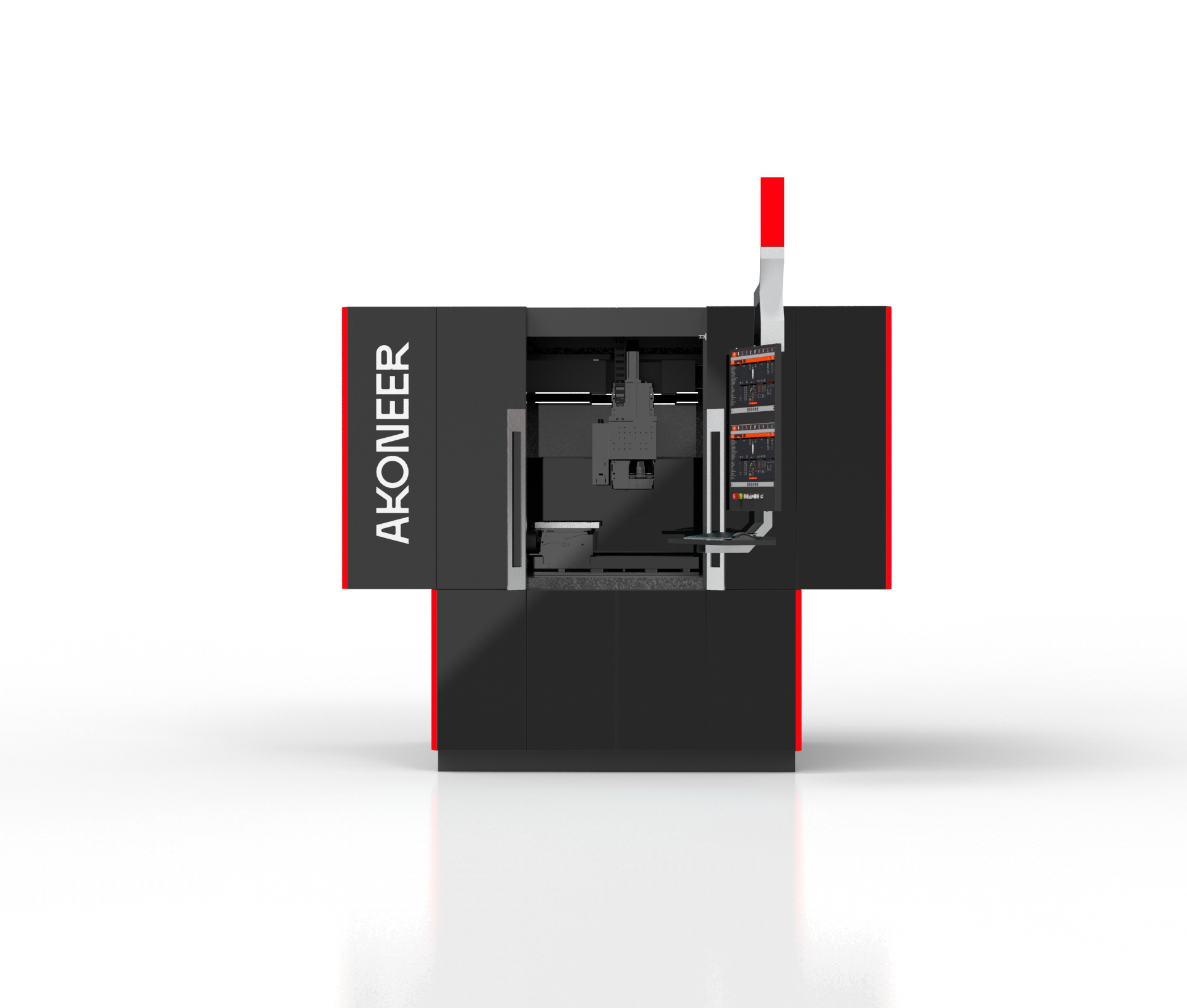
Color laser marking machines represent a significant advancement in laser technology, providing industries with the ability to add vibrant colors to their marking processes. These machines utilize advanced laser technology to produce high-contrast, durable markings on a variety of materials. This article explores the technical aspects, applications, benefits, and future potential of color laser marking machines.
Understanding the technology behind color laser marking
Color laser marking technology is a subset of laser marking that employs different wavelengths and pulse durations to create color effects on surfaces. Unlike traditional laser marking, which typically produces grayscale or monochrome images, color laser marking involves manipulating the laser's parameters to produce visible colors on the material's surface. The process relies on the interaction of the laser beam with the material, causing a physical change that reflects light in different wavelengths, thus creating color. Commonly, the MOPA (Master Oscillator Power Amplifier) fiber laser is used, offering control over pulse duration and intensity. These lasers often operate with power levels around 2-6 kW and can achieve repeatability as precise as ±0.02 mm.
Applications across various industries
Color laser marking machines find applications across a wide range of industries, each benefiting from the technology's unique capabilities. In the electronics industry, these machines mark vibrant logos, serial numbers, and barcodes on products such as smartphones and laptops, ensuring both durability and aesthetic appeal. The automotive industry utilizes color laser marking for parts identification and branding, as the markings can withstand harsh environmental conditions. In the medical sector, the machines mark surgical instruments and implants, providing clear and durable identification crucial for safety and traceability. Additionally, the luxury goods sector uses color laser marking to enhance the aesthetic value of products such as watches and jewelry, offering personalized and intricate designs that add value and exclusivity. Notably, Rolex has employed color laser marking to personalize their high-end watches, resulting in a 15% increase in customer engagement through unique customization options.
Benefits of using color laser marking machines
The advantages of color laser marking machines are numerous, contributing to their growing popularity in various fields. One primary benefit is the ability to produce high-precision, permanent markings resistant to wear, corrosion, and high temperatures. This durability ensures that the markings remain legible throughout the product's lifecycle. Furthermore, the versatility of color laser marking machines allows them to work with diverse materials, including metals, plastics, ceramics, and glass, making them suitable for a wide range of applications. The process is non-contact, meaning it does not require physical interaction with the material, thus reducing the risk of damage. Additionally, color laser marking is an environmentally friendly process, as it does not involve inks, chemicals, or consumables, reducing waste and lowering overhead costs.
Challenges and considerations in implementation
Despite their advantages, color laser marking machines come with challenges and considerations that must be addressed for optimal implementation. One main challenge is the initial cost of the machinery, which can be higher compared to traditional marking equipment. However, the long-term benefits, such as reduced operational costs and increased production efficiency, often justify the investment. Another consideration is the requirement for skilled operators who understand the intricacies of laser technology and can adjust machine settings to achieve desired results. Training and continuous learning are essential to maximize the machine's capabilities. Additionally, not all materials are equally receptive to color laser marking, and some may require pre-treatment or specific adjustments to achieve the best outcome.
The future of color laser marking technology
As technology advances, the future of color laser marking machines looks promising, with ongoing research and development aimed at expanding their capabilities. Innovations in laser technology, such as developing new laser sources and improved control systems, are expected to enhance the precision and range of colors that can be produced. The integration of artificial intelligence and machine learning may further optimize the marking process, enabling real-time adjustments and quality control. Additionally, as industries increasingly prioritize sustainability, the eco-friendly nature of laser marking is likely to drive further adoption. With the growing demand for customization and personalization in consumer products, color laser marking machines are poised to play a crucial role in meeting these trends.
Color laser marking machines offer a powerful solution for industries seeking durable, precise, and visually appealing product markings. While there are challenges to address, the benefits and potential of this technology are significant. As advancements continue to emerge, color laser marking machines are set to become an integral part of modern manufacturing and product design, offering endless possibilities for innovation and creativity.