Color laser etching stainless steel
Color laser etching on stainless steel combines laser technology with chemical reactions to create durable, colored markings for diverse industrial applications.
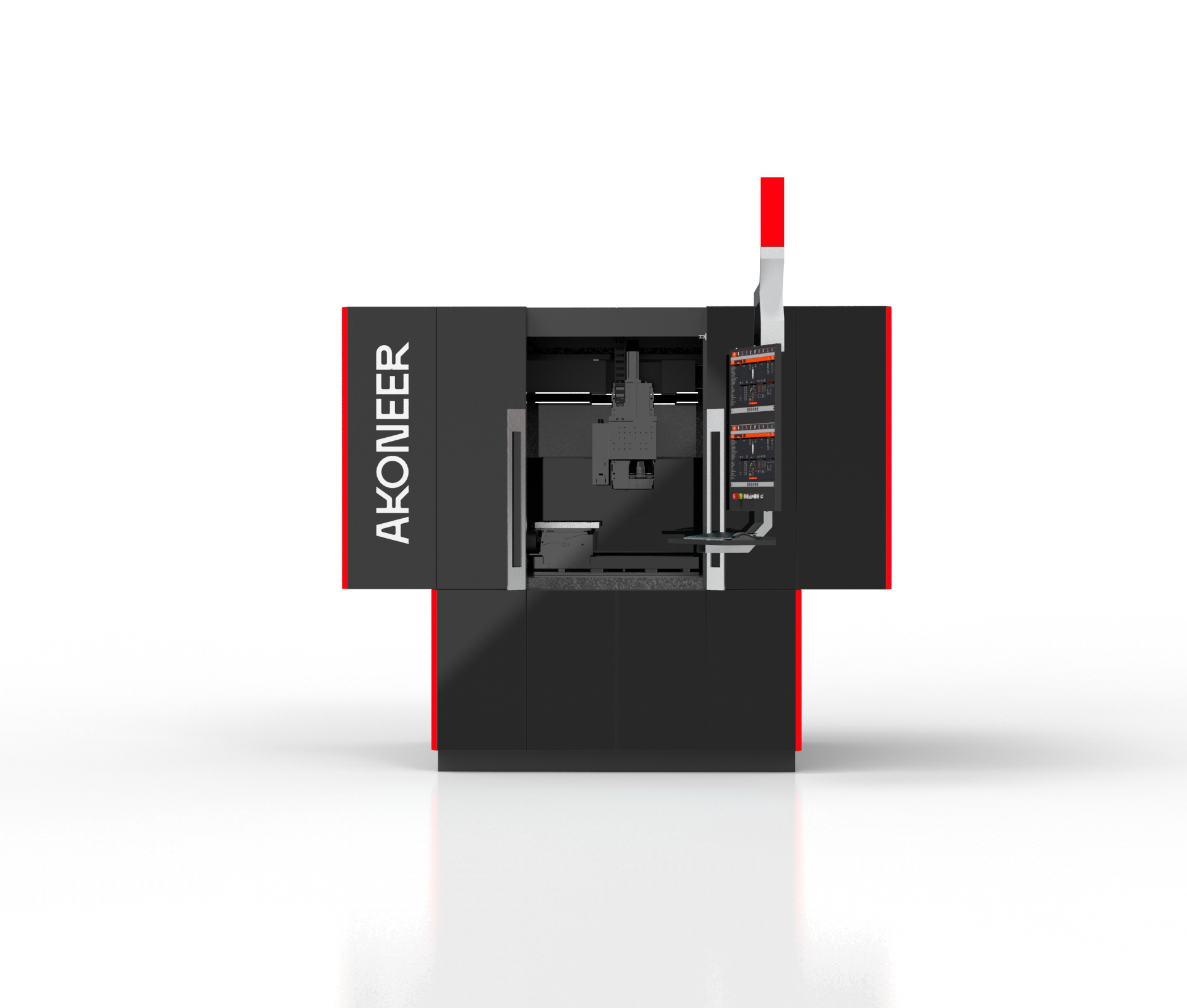
Laser etching is a subtractive manufacturing process utilizing a laser beam to create permanent marks on materials. Known for its precision, speed, and versatility, this technology is particularly effective for etching stainless steel, producing intricate designs, logos, and text with remarkable clarity. The process involves a high-powered laser beam heating the metal until it vaporizes, leaving a permanent imprint. Adjusting the laser's power, which typically ranges from 20 to 100 watts, and its speed allows for control over the depth and quality of the etch, offering diverse aesthetic possibilities.
Understanding the science behind color laser etching
Color laser etching on stainless steel goes beyond engraving to include colored markings via laser-induced oxidation. By carefully controlling laser-generated heat, operators induce a chemical reaction on the steel’s surface, forming an oxide layer that reflects light to create colors. This process, which can reach temperatures around 200°C, doesn't involve dyes or pigments, ensuring durability and resistance to fading. The color spectrum includes shades like blue, green, and brown, depending on specific parameters, enhancing the visual appeal and functionality of etched products.
Applications and benefits
Color laser etching on stainless steel is utilized across industries such as automotive, medical, aerospace, and consumer goods. In the automotive sector, it marks parts with serial numbers or logos that withstand harsh environments. In the medical field, it marks surgical instruments with details that remain legible after numerous sterilizations. The aerospace industry benefits from its precision, marking critical components without compromising integrity. Consumer products like kitchenware use it to enhance aesthetics and brand identity. Benefits include permanence, wear resistance, and high-resolution design capabilities.
Technical considerations
Implementing color laser etching on stainless steel requires attention to technical parameters. Fiber lasers are typically used for their precision and control. The laser's wavelength, often around 1064 nm for fiber lasers, must be compatible with stainless steel for optimal absorption. Parameters such as pulse duration, frequency, and scanning speed must be finely tuned to achieve the desired color and clarity. For instance, the scanning speed can vary from 300 to 1000 mm/s. Understanding the laser-material interaction is crucial, as factors like steel composition and surface finish affect the outcome.
Challenges and solutions
Color laser etching presents challenges such as achieving consistent color across different stainless steel batches due to material composition variations. Manufacturers can implement rigorous quality control and standardize etching procedures to address this. The limited color palette achievable through laser-induced oxidation is another challenge, with ongoing R&D efforts to expand the range. Maintaining precise laser parameter control is essential to prevent overheating and unwanted material distortion. Continuous training and investment in advanced laser systems help mitigate these challenges. A notable case is TRUMPF, a company using advanced laser technology to improve product identification, enhancing traceability and reducing error rates by 20%.
Future trends in color laser etching
The future of color laser etching on stainless steel is promising, driven by advancements in laser technology and material science. Emerging trends include the development of more efficient lasers that can produce a wider color spectrum and improved design and control software. Artificial intelligence and machine learning integration is expected to enhance precision and efficiency, reducing manual adjustments and minimizing errors. The demand for customized products is fueling innovation, with manufacturers exploring new applications and techniques. As technology evolves, color laser etching will likely become an integral part of manufacturing processes across various industries.
Color laser etching stainless steel is a sophisticated process combining laser technology precision with the aesthetic appeal of colored markings. Its applications and benefits make it a valuable tool in modern manufacturing, while ongoing challenges and future trends highlight the dynamic nature of this field. As research and innovation continue, the potential of color laser etching will expand, offering new possibilities for design and functionality in stainless steel products.