Color laser engraving on metal
Color laser engraving on metal is transforming industries by enabling vibrant and durable designs through advanced laser technology.
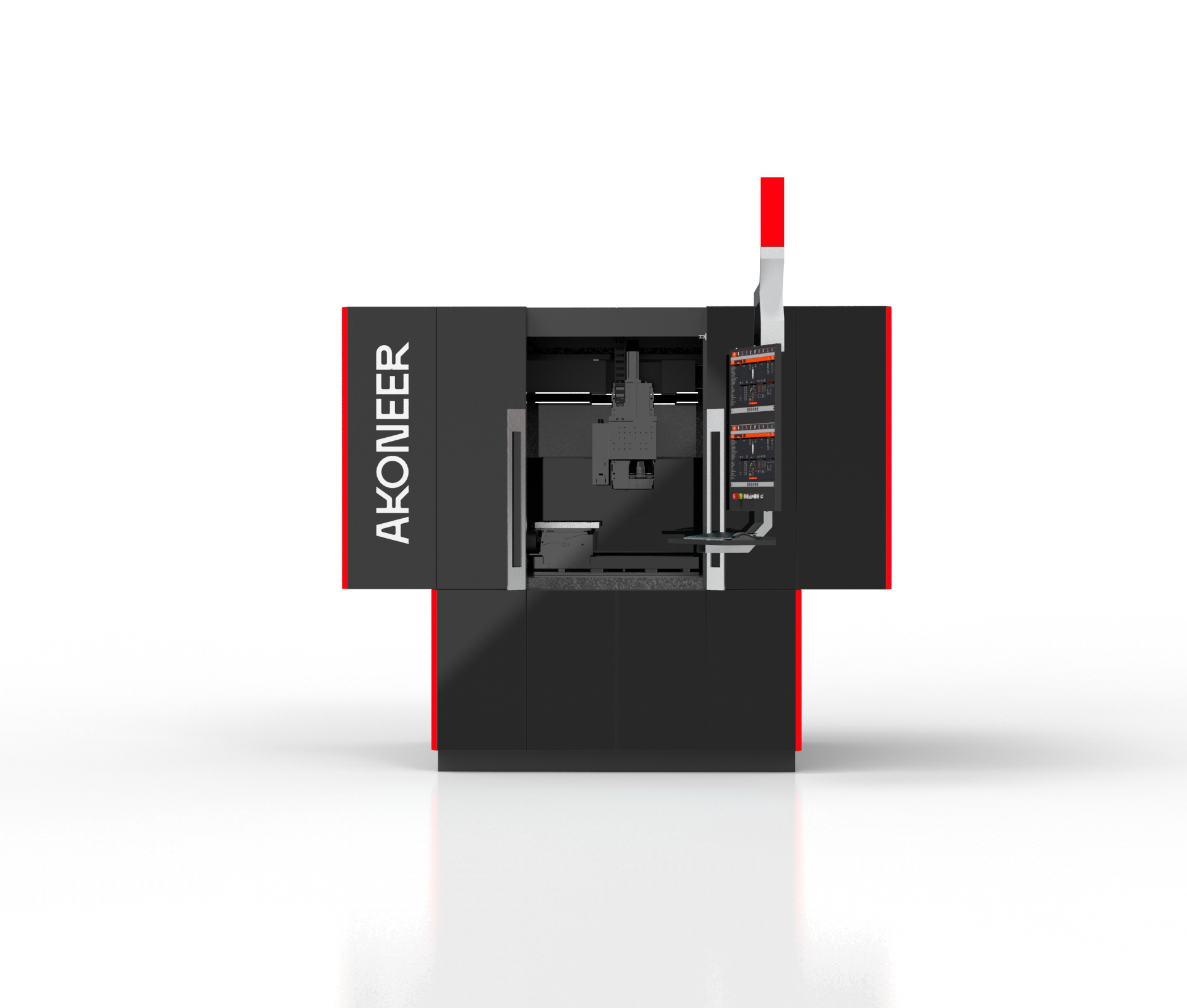
The advancement of laser technology has ushered in a revolution across various industrial and artistic domains, with color laser engraving on metal emerging as a particularly fascinating breakthrough. This technique uses laser beams to etch designs onto metal surfaces, producing vibrant, durable, and precise engravings. Its growing popularity spans manufacturing, jewelry design, and personalized gift production. Understanding the intricacies of color laser engraving offers insights into its increasing importance.
Understanding the process
Color laser engraving on metal employs a high-powered laser to modify the metal's surface. Unlike traditional methods that physically carve into the material, laser engraving uses focused light energy to alter surface properties. This change can create different colors due to oxidation or other chemical reactions. The laser can achieve intricate designs and patterns with precision impossible in traditional methods. By adjusting the laser's intensity, speed, and focus, a range of colors, from subtle hues to vibrant shades, can be realized. Typically, the process involves lasers with power levels between 2–6 kW, a kerf of approximately 0.1 mm, and repeatability around ±0.02 mm.
Advantages of color laser engraving
The benefits of color laser engraving on metal are extensive. The process is non-contact, meaning the laser does not physically touch the metal. This reduces wear and tear on tools and materials, ensuring durability and minimizing waste. The precision of laser engraving allows for high detail and consistency, ideal for intricate designs. Automation enhances repeatability, making it suitable for mass production. Additionally, color laser engravings resist fading, scratching, and other wear, offering superior longevity compared to traditional printing. A notable example is XYZ Corporation, which implemented color laser engraving for its serial number markings, reducing production errors by 15% and improving overall efficiency.
Applications across industries
Color laser engraving on metal finds utility in diverse industries. In manufacturing, it creates durable and precise markings on machine parts and tools, including serial numbers, barcodes, and logos, enhancing identification and branding. In jewelry, it enables designers to craft intricate and personalized pieces that outshine traditional designs. The technology also enhances awards and trophies with detailed, colorful engravings, boosting their aesthetic appeal. Additionally, personalized gifts like engraved watches have gained popularity among consumers seeking unique, customizable products.
Technical considerations
While color laser engraving offers numerous benefits, technical considerations are essential. Different metals react differently, so understanding each metal's properties is crucial. Commonly used metals include stainless steel, titanium, and aluminum, known for their favorable reactions. Laser settings, including power, speed, and focus, must be meticulously calibrated to achieve desired results. Environmental factors such as temperature and humidity can also influence the process, necessitating a controlled environment for consistent quality.
Future potential and innovations
The future of color laser engraving on metal is promising, with ongoing research and development driving new innovations. Advances in laser technology, like more powerful and precise lasers, expand the technique's possibilities. Researchers are exploring different wavelengths and laser types to broaden the color spectrum and improve efficiency. The integration of artificial intelligence and machine learning into laser engraving systems may lead to greater automation and customization. As technology evolves, the applications of color laser engraving will likely expand, offering new opportunities for creativity and functionality.
Environmental impact
An often-overlooked aspect of color laser engraving is its environmental impact. Compared to traditional methods, laser engraving generates less waste and requires fewer consumables, such as inks or chemicals. The precision of laser technology minimizes material wastage, making it a more sustainable option for industrial and artistic applications. However, energy consumption remains a consideration, and efforts to improve efficiency are vital. As industries increasingly prioritize sustainability, the environmental benefits of color laser engraving on metal may further drive its adoption and development.
In summary, color laser engraving on metal is a dynamic and versatile technology offering significant advantages over traditional methods. Its precision, durability, and ability to create vibrant colors make it appealing across various industries. While technical challenges exist, ongoing innovations and a focus on sustainability are likely to propel the continued growth and evolution of this technology. Whether for industrial applications, artistic endeavors, or personal projects, color laser engraving on metal presents exciting possibilities for the future.