Ceramic laser engraving
Ceramic laser engraving leverages laser technology to efficiently create detailed and durable designs on ceramic surfaces for diverse applications in art, industry, healthcare, and electronics.
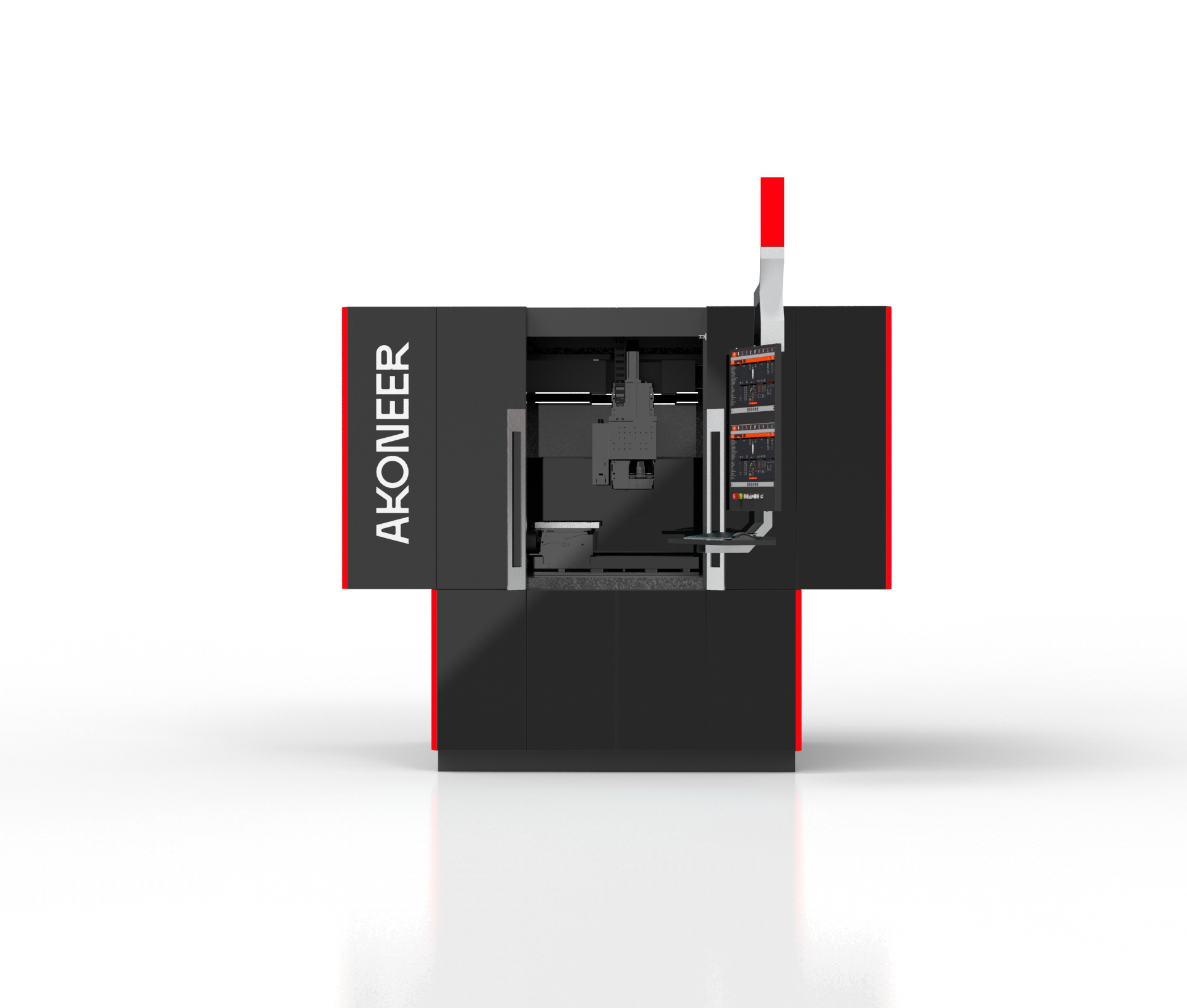
Ceramic laser engraving is a transformative process in material design and manufacturing. This technique uses the precision of laser technology to create intricate designs and markings on ceramic surfaces. Its applications range from artistic endeavors to industrial processes, offering a versatile tool for various sectors.
Understanding the basics of ceramic laser engraving
Laser engraving on ceramic utilizes a highly focused laser beam to mark or etch the surface. The laser’s intensity and precision allow it to vaporize or remove the top layer of the ceramic material without damaging the surrounding area. This creates a permanent, high-contrast design that is both aesthetically pleasing and durable. The process is contactless, eliminating physical wear on the engraving tool and ensuring consistent quality over time. The choice of laser type, such as CO2 or fiber lasers, depends on the specific properties of the ceramic material being used, with power levels typically ranging from 20 to 100 watts.
Applications of ceramic laser engraving
The applications of ceramic laser engraving are diverse and expanding. In the artistic domain, it allows artists to create detailed patterns on ceramic tiles, pottery, and other decorative items. This precision surpasses traditional engraving methods, offering new possibilities in creative expression. In industrial settings, laser engraving is used for marking components with serial numbers, barcodes, or logos, essential for traceability and branding. The healthcare industry also benefits, using laser engraving to mark surgical instruments and dental ceramics, ensuring accuracy and compliance with hygiene standards. Additionally, the electronics industry uses this technology to engrave circuit boards and components, where precision is crucial. A real-world example is CeramTec, which uses laser engraving to mark ceramic components, reducing errors by 50% in its quality control process.
Advantages of using laser engraving on ceramics
Several advantages make laser engraving attractive for ceramics. The process is non-contact, reducing the risk of chipping or cracking the material, which is common with traditional methods. The precision of laser engraving allows for intricate designs that would be impossible to achieve by hand or with less advanced technology. Additionally, the process is highly efficient, capable of producing detailed engravings rapidly, which is beneficial in industrial applications. The durability of laser engravings ensures that the markings will withstand wear and environmental factors, maintaining their clarity over time. Typical engraving speeds can reach up to 300 mm/s, enhancing productivity.
Challenges and considerations
While ceramic laser engraving offers numerous benefits, there are challenges to consider. The hardness and brittleness of ceramics require careful calibration of the laser’s power and speed settings to avoid damage. Different types of ceramics react differently to laser engraving, necessitating a deep understanding of material properties. For instance, glazed ceramics may require different settings than unglazed ones due to the glaze's reflective surface. Ensuring consistent quality across batches can be challenging, requiring thorough testing and quality control measures. Additionally, the initial investment in laser engraving equipment can be significant, though it often pays off through increased efficiency and reduced material waste.
Technological innovations in laser engraving
Technological advancements continue to enhance the capabilities of ceramic laser engraving. New laser systems offer improved precision, speed, and energy efficiency. Innovations such as multi-axis laser systems allow for more complex geometries and designs, expanding the possibilities for creative and functional applications. Software developments have simplified the design process, enabling more complex patterns and reducing the time from concept to completion. As technology advances, it is likely that ceramic laser engraving will become even more integral to various industries, driving further innovation and application.
Future prospects
The future of ceramic laser engraving looks promising, driven by ongoing technological advancements and expanding applications. As industries increasingly seek sustainable and precise manufacturing solutions, laser engraving is poised to become an essential tool. The development of more affordable and versatile laser systems will likely make the technology accessible to smaller enterprises and individual artisans, democratizing access to high-quality engraving. Furthermore, the integration of artificial intelligence and machine learning in laser systems could automate quality control and optimize settings, enhancing efficiency and consistency. As these technologies evolve, ceramic laser engraving will continue to open new avenues for innovation and application across diverse fields.
In summary, ceramic laser engraving is a powerful technique combining precision, efficiency, and versatility. Its applications across art, industry, healthcare, and electronics demonstrate its wide-reaching impact. While challenges exist, ongoing technological innovations and future prospects suggest promising growth and adaptation in the field. As industries continue to evolve, ceramic laser engraving will remain a critical tool for achieving both functional and aesthetic goals.