Ceramic laser cutting
Ceramic laser cutting enhances manufacturing by enabling efficient and accurate shaping of ceramic materials across diverse industries.
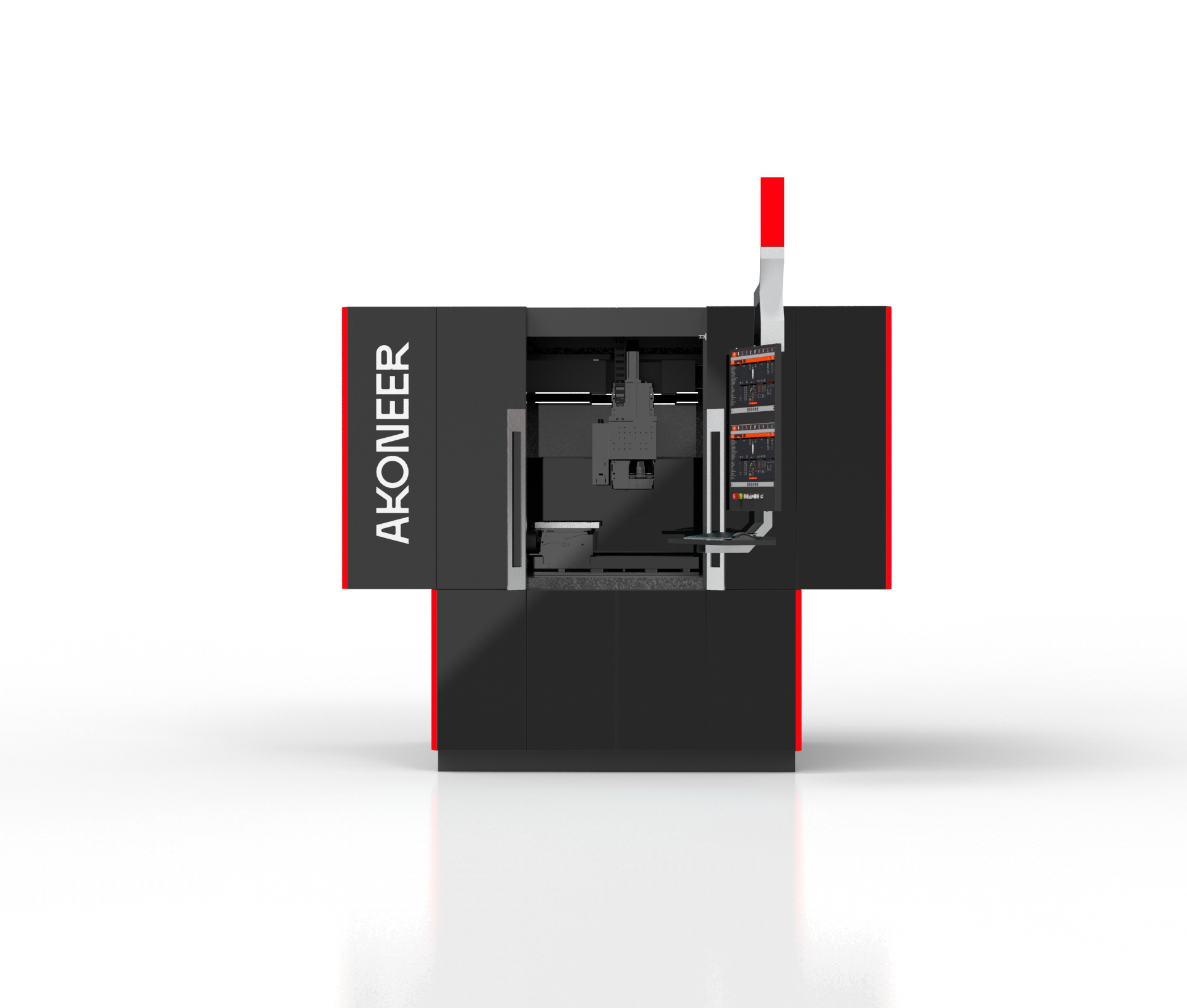
Ceramic laser cutting has transformed manufacturing and technology sectors by using laser technology to cut and shape ceramic materials with precision and efficiency. As demand for high-performance materials grows, ceramic laser cutting is increasingly vital across industries. This article explores the principles of laser cutting, its advantages, challenges, and future prospects.
Understanding the basics of ceramic laser cutting
Lasers emit concentrated light beams, and laser cutting uses these beams to slice through materials. The process is highly precise, allowing intricate designs and complex shapes. In ceramic laser cutting, the laser's energy is absorbed by the ceramic, causing it to melt or vaporize at the focal point. Various lasers, such as CO2 and fiber lasers, can be used, offering benefits concerning power and efficiency. For example, fiber lasers can deliver power levels between 2–6 kW.
Ceramics are known for their hardness and heat resistance, making them ideal for specific applications but challenging to cut traditionally. Laser cutting overcomes these challenges by providing a non-contact method, reducing mechanical stress on the material. The result is a clean, accurate cut, crucial for high-precision applications.
Advantages of using lasers for ceramic cutting
Ceramic laser cutting offers high precision and accuracy. Lasers can produce intricate patterns with features as small as 0.1 mm, which is difficult with conventional methods. This precision is particularly valuable in industries like electronics and aerospace, where minor deviations can cause performance issues.
Laser cutting provides repeatability, ensuring consistent results across production runs. This is essential for mass production, where uniformity is key to quality control. The non-contact nature of laser cutting minimizes wear on tools and material, extending tool life and reducing maintenance costs.
Another major advantage is waste reduction. Traditional methods often leave excess material, but laser cutting optimizes material usage, reducing waste and contributing to sustainable manufacturing practices. For instance, Bosch's use of laser cutting technology reduced material waste by 15% in their semiconductor production line.
Challenges in ceramic laser cutting
Despite its advantages, ceramic laser cutting faces challenges. One primary difficulty is potential thermal damage. Ceramics require high laser power to cut, which can lead to thermal stress and micro-cracking in sensitive applications. Managing these thermal effects is crucial for maintaining material integrity.
The initial cost of laser cutting equipment is another challenge. While long-term savings on maintenance and material waste can offset these costs, the investment can be substantial, especially for small businesses. Operating laser cutting machines also requires specialized training, adding to initial expenditures.
The complexity of the cutting process means not all ceramics can be easily laser-cut. Some materials may need specific laser types or settings, necessitating experimentation to achieve desired results. This complexity can increase time and costs, especially for custom or low-volume orders.
Applications of ceramic laser cutting across industries
Ceramic laser cutting is used in various industries due to its precision and flexibility. In electronics, it fabricates components like circuit boards and semiconductor devices. The ability to create intricate designs benefits miniaturized devices.
In the medical field, ceramic laser cutting is employed in producing medical implants and devices. Ceramics' biocompatibility and durability make them ideal for implants, while laser cutting ensures the precision required for medical applications. Similarly, the aerospace industry uses ceramic laser cutting for components that withstand extreme temperatures and pressures.
The art and design sectors benefit from ceramic laser cutting, where the technology creates intricate patterns and designs. Artists and designers achieve previously unattainable detail and precision, opening new possibilities for creativity and innovation.
Future prospects of ceramic laser cutting
The future of ceramic laser cutting looks promising as technological advancements improve laser cutting systems' efficiency and capabilities. Developments in laser technology, such as higher power levels and better beam quality, will enable faster and more precise cutting, reducing costs and expanding the range of materials that can be effectively laser-cut.
As industries prioritize sustainability, the efficiency and waste reduction offered by laser cutting will become increasingly valuable. The ability to optimize material usage and reduce environmental impact aligns with broader goals of sustainable manufacturing.
As demand for high-performance materials grows, ceramic laser cutting will play a crucial role in meeting the needs of industries requiring precision and durability. The continued evolution of this technology will likely lead to new applications and opportunities, further solidifying its position as a vital tool in modern manufacturing.