Can you laser etch glass?
Laser etching on glass offers a unique approach to customization by using specialized lasers to create intricate designs and durable markings.
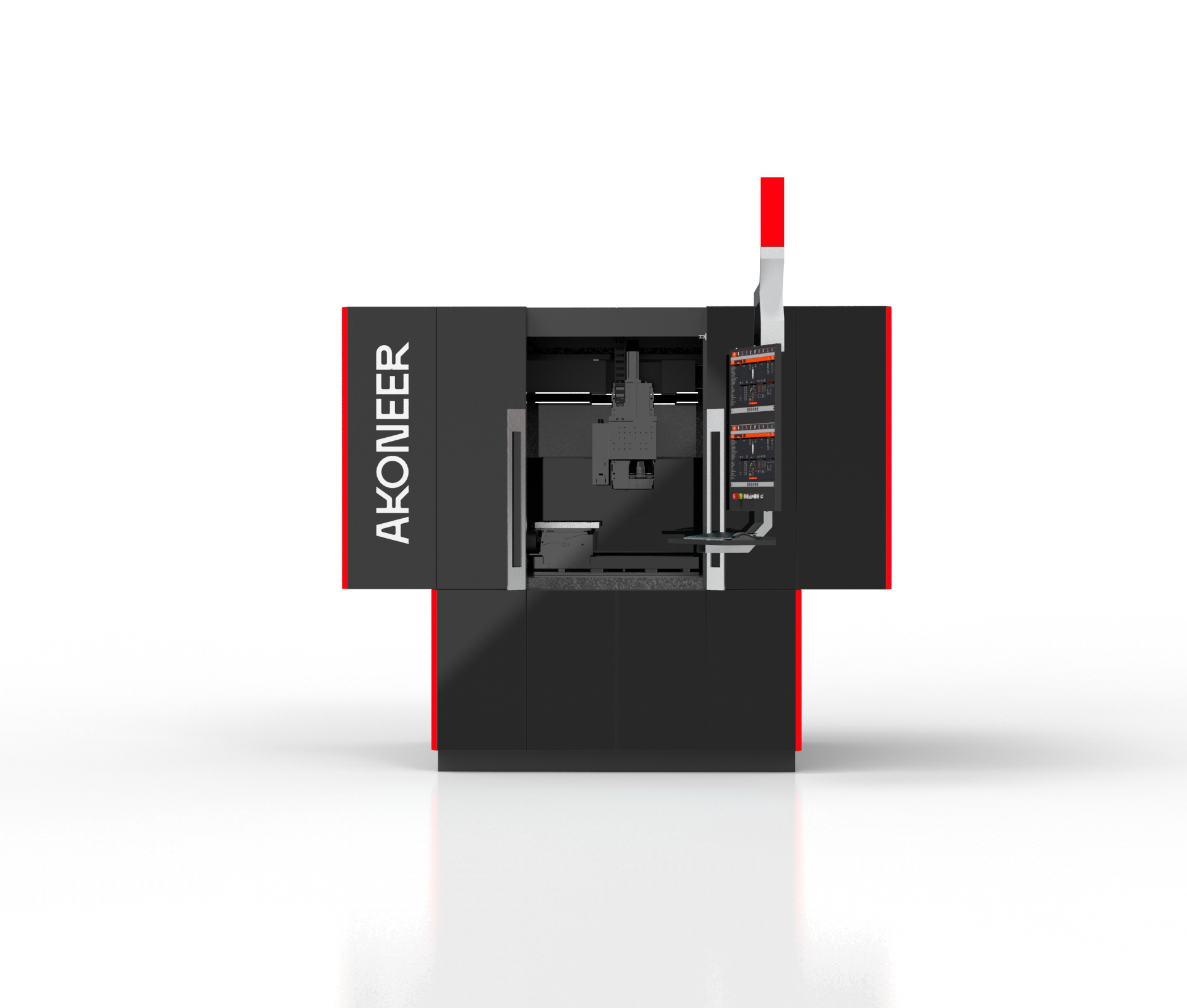
Laser etching has become a popular technique for customizing and personalizing various materials. A common question arises: can you laser etch glass? The answer is yes, but the process requires a distinct approach compared to other materials. This article explores the intricacies of laser etching on glass, including the types of lasers used, potential applications, and challenges involved.
Understanding the laser etching process
Laser etching uses a laser beam to remove material from the surface of a substrate. The process relies on the laser’s precision and intensity, which can vary depending on the material. For glass, the laser creates micro-fractures on the surface, resulting in a frosted appearance. This non-contact method reduces the risk of damage because the laser doesn’t physically touch the glass.
Different lasers can be used for etching glass, but CO2 lasers are the most common due to their effectiveness on non-metallic materials. CO2 lasers operate at a wavelength of 10.6 micrometers and are well-suited for interacting with the silica in glass. The laser's power, typically ranging from 30 to 100 watts, and speed can be adjusted to achieve the desired depth and clarity of the etching.
Applications of laser etching on glass
Laser etching on glass has a wide range of applications, from decorative to functional. In the decorative realm, it personalizes items such as wine glasses, awards, and architectural glass. The ability to produce intricate designs with precise detail makes laser etching a preferred choice for artists and designers.
Functionally, laser etching creates barcodes, serial numbers, and logos on glass products, essential for inventory management and brand identification. This is especially useful in manufacturing glass containers for products where traceability is important, such as pharmaceuticals and food packaging. The permanence and resistance to wear make laser-etched markings a reliable choice for such applications.
Challenges in laser etching glass
Although laser etching glass is feasible, it presents challenges. One major difficulty is the risk of cracking or shattering the glass if laser settings are not carefully controlled. Glass is a brittle material, and excessive heat can lead to thermal stress, causing breakage. Precise calibration of the laser’s power and speed is crucial to avoid damaging the glass.
Another challenge is achieving consistent etch quality across different types of glass. Variables such as glass composition, thickness, and surface finish can affect the outcome. For instance, tempered glass, heat-treated for strength, may behave differently under a laser than untreated glass. This variability requires expertise and sometimes experimentation to achieve desired results.
Types of glass suitable for laser etching
Not all glass types are equally suitable for laser etching. Common glass types include soda-lime glass, borosilicate glass, and tempered glass. Soda-lime glass, the most commonly used type, generally responds well to laser etching. Borosilicate glass, known for its resistance to thermal shock, can also be etched but may require different laser settings. Tempered glass is more challenging due to its internal stresses, leading to unpredictable results during etching.
Specialty glasses, such as dichroic glass with a reflective coating, can be etched, but the coating may affect the final appearance. In such cases, etching tests are recommended to determine the best settings and techniques for achieving the desired outcome.
Advantages of laser etching glass
Laser etching offers several advantages over traditional glass decoration methods, such as sandblasting or acid etching. The precision of laser technology allows for highly detailed designs that are difficult to achieve with other methods. Additionally, laser etching is relatively fast, making it suitable for both small-batch and large-scale production.
The permanence of laser etching is another significant advantage. Unlike ink or paint, which can wear off over time, laser etching creates a design that is part of the glass itself and is resistant to fading and abrasion. This durability makes it ideal for applications requiring longevity, such as signage and industrial marking. For instance, Corning Incorporated uses laser etching to produce durable, high-quality markings on its Gorilla Glass, enhancing product lifespan and traceability.
Future trends in glass etching technology
As technology advances, the future of laser etching on glass looks promising. Developments in laser technology, such as fiber lasers and ultra-fast lasers, may offer new possibilities for etching glass with greater precision and efficiency. These advancements could enable more complex designs and open up new applications in industries ranging from art to aerospace.
One potential trend is the integration of laser etching with other technologies, such as 3D printing, to create multi-dimensional designs on glass. This could revolutionize how glass products are designed and manufactured, offering unprecedented levels of customization and functionality.
In summary, laser etching is a viable and versatile method for working with glass, offering numerous applications and advantages. While challenges exist, the potential for innovation and growth in this field is substantial, making it an exciting area of exploration for manufacturers and designers alike.