Brass laser engraving
Brass laser engraving offers industries detailed and efficient solutions for marking and designing, utilizing high-powered lasers for various applications.
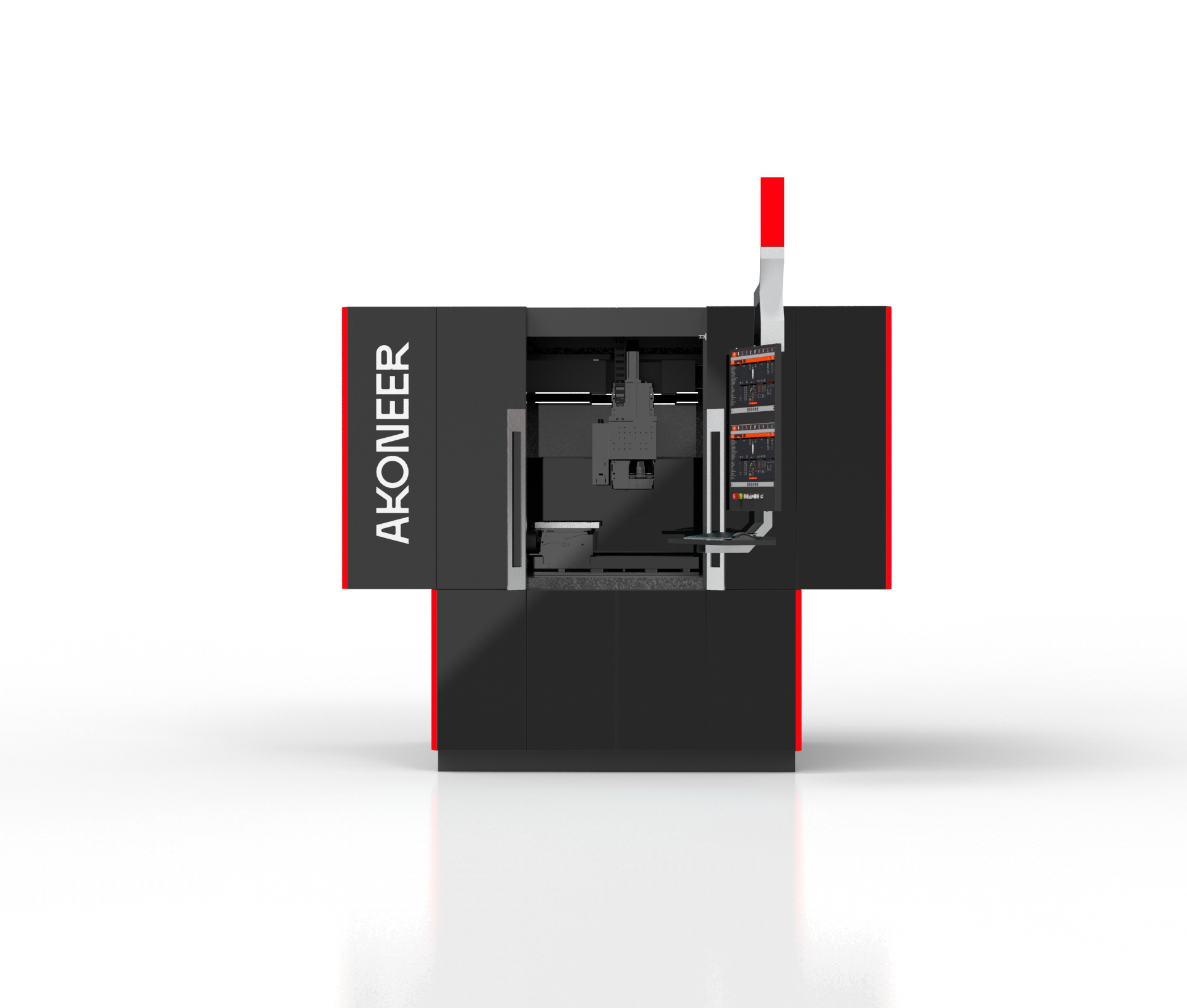
Brass laser engraving has gained popularity across various industries due to its precision, versatility, and efficiency. This process uses high-powered lasers, typically ranging from 2 to 6 kW, to etch designs, text, or patterns onto brass surfaces. Favored for creating intricate designs, brass laser engraving offers significant advantages over traditional mechanical methods. Understanding the process, applications, and benefits can help businesses and hobbyists make informed decisions.
Understanding the laser engraving process
Laser engraving is a subtractive manufacturing method utilizing a laser beam to remove material and create a design. For brass, the laser beam vaporizes the metal, leaving a permanent mark with a precision that allows for details down to fractions of a millimeter. Computer software typically controls the process, enabling exact replication of digital designs and allowing users to adjust parameters like power, speed, and focus. Depending on the design and brass thickness, the laser can be adjusted to achieve clear and precise engravings. The repeatability of the process is often within ±0.02 mm, ensuring consistent results.
Applications of brass laser engraving
Brass laser engraving is used in various applications. In the industrial sector, it's commonly employed for creating nameplates, control panels, and signage due to its durability and resistance to wear. The ability to produce clear engravings makes it ideal for parts requiring labeling or identification. In arts and crafts, it helps create decorative items, jewelry, and personalized gifts, offering intricate patterns that enhance aesthetic appeal. This technology is also utilized in musical instrument production for engraving logos and branding.
Advantages of using laser technology for engraving brass
Numerous advantages make laser technology a preferred choice for engraving brass. Precision is a primary benefit, with the ability to create complex patterns and detailed text not possible with mechanical tools. The process is significantly faster, with cutting speeds reaching up to 30 m min⁻¹, reducing production time and costs. The non-contact nature minimizes material damage, providing a clean finish, crucial for delicate items where surface integrity matters.
Factors to consider when engraving brass
While brass laser engraving offers many benefits, several factors ensure optimal results. The brass composition, an alloy of copper and zinc, can affect engraving outcomes. It's essential to choose the right type for specific applications. Brass thickness also influences the process; thicker materials may require higher laser power or multiple passes, while thinner materials risk warping if not managed correctly. Moreover, a polished brass surface may reflect the laser beam, reducing engraving effectiveness, necessitating pre-treatment or laser setting adjustments.
Safety and environmental considerations
Safety is crucial when working with laser engraving equipment. Operators must follow guidelines to prevent accidents, including wearing protective gear, ensuring proper ventilation, and maintaining safe distances from the laser beam. Though laser engraving is cleaner than traditional methods, it still produces fumes and particulates. Appropriate extraction systems and filters can mitigate these environmental impacts.
Future trends in brass laser engraving
The future of brass laser engraving is promising, with technological advancements enhancing its capabilities. Innovations like increased power and precision are likely to expand possible applications. Developments in software and automation may simplify the process, making it more accessible to small businesses and individual users. The integration of artificial intelligence and machine learning could lead to more efficient design processes and improved customization. As these technologies evolve, brass laser engraving will remain a valuable tool across various industries, offering precise and durable solutions for diverse needs.