Black laser marking on stainless steel
Black laser marking on stainless steel offers durable and versatile solutions for product identification and branding across various industries.
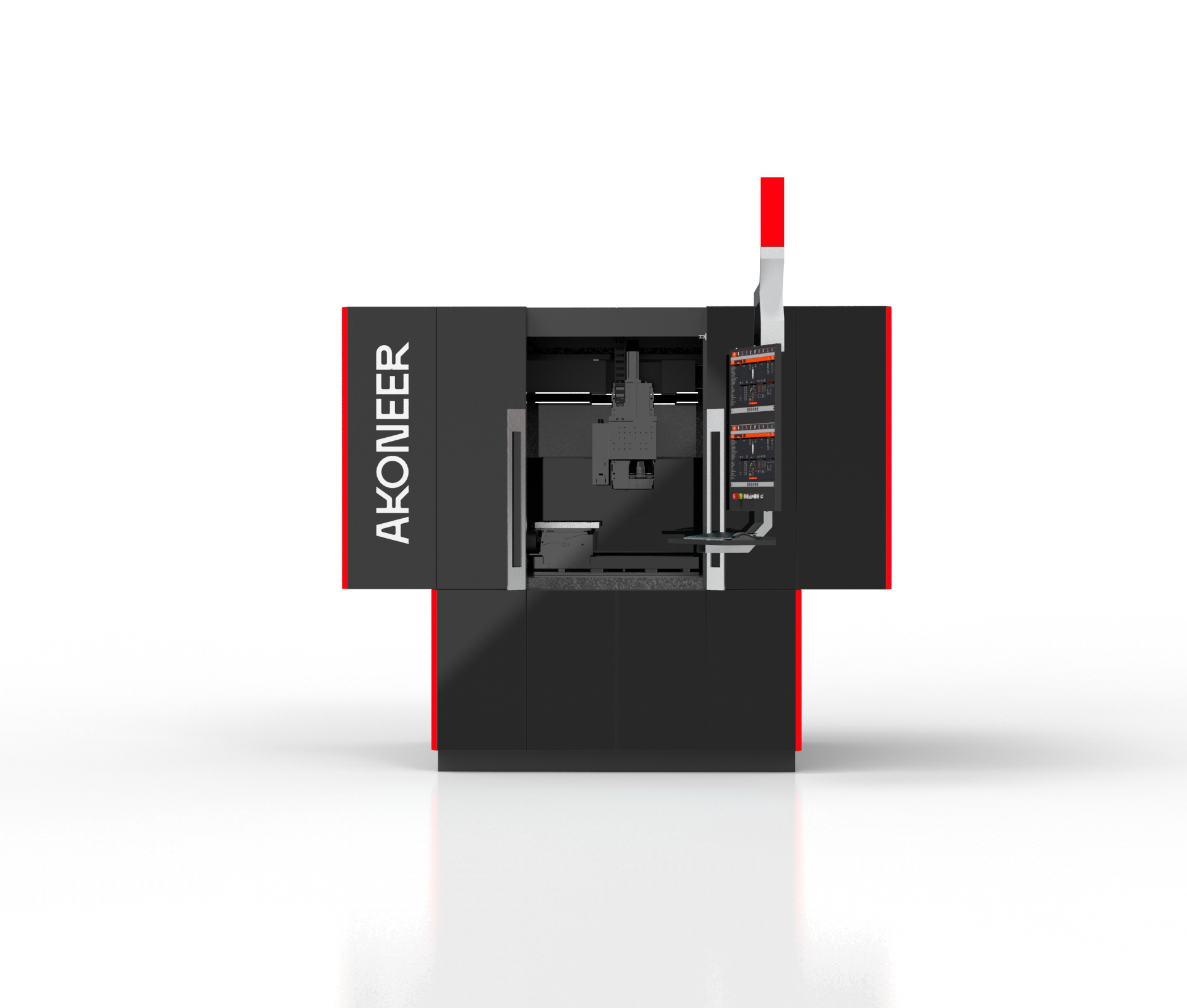
Laser marking is a sophisticated process utilizing a focused beam of light to alter the surface of a material. This technology is widely used for creating permanent markings on materials like stainless steel. The process involves no physical contact, reducing wear on both the marking equipment and the material itself. Laser marking is favored across industries due to its precision, speed, and versatility, allowing for the creation of high-resolution images, text, and barcodes essential for product identification, traceability, and branding. The technology is also environmentally friendly, eliminating the need for inks or chemicals.
Why stainless steel?
Stainless steel is a popular choice for laser marking due to its durability, corrosion resistance, and aesthetic appeal. Commonly used in industries such as automotive, aerospace, medical devices, and consumer goods, its smooth and reflective surface allows for clear and precise markings. Stainless steel can withstand harsh environments, making it ideal for products needing long-lasting identification. Marking stainless steel without compromising its structural integrity ensures the material's strength and appearance remain intact over time.
The science of black laser marking
Black laser marking on stainless steel is achieved through laser annealing, which involves heating the surface to create an oxide layer. This color change occurs due to a magnetite layer formation that absorbs light and appears black. Unlike other processes that remove material, laser annealing affects only the surface layer, resulting in a smooth, dark mark resistant to wear and corrosion. The process is non-abrasive, maintaining the integrity of the stainless steel, making it suitable for applications requiring durability and clarity.
Applications in various industries
The ability to create black laser markings on stainless steel has opened up numerous applications across different industries. In the automotive sector, laser marking is used for part identification, ensuring components can be traced throughout the supply chain. Medical instruments and devices are marked with unique identifiers for sterilization tracking and regulatory compliance. The aerospace industry benefits from part numbering and branding, which help maintain safety standards. Consumer electronics companies use laser marking for logos and serial numbers, enhancing brand recognition and product authenticity. The versatility and permanence of black laser markings make them invaluable across sectors.
Advantages of black laser marking
Black laser marking offers several advantages over traditional methods. Marks are permanent, resistant to fading, and withstand extreme temperatures and corrosive environments, ensuring legibility throughout a product's lifecycle. The process's high precision allows for intricate designs and small text that are clear and easy to read. Additionally, as a non-contact process, there is no risk of damaging the material or causing deformation. The technology is efficient and cost-effective, requiring minimal maintenance and no consumables. For example, BMW implemented laser marking for VIN numbers, enhancing security and traceability, leading to an estimated 20% reduction in recall costs.
Challenges and considerations
While black laser marking on stainless steel presents many benefits, challenges and considerations remain. Precise control of laser parameters, such as power (typically 20–100 W), speed, and frequency, is needed to achieve desired contrast and depth. Variations in stainless steel composition can affect outcomes, necessitating adjustments. The initial investment in laser marking equipment can be significant, although often offset by long-term savings on consumables and reduced maintenance costs. Companies must also consider the environmental conditions in which marked products are used, as extreme exposure may impact marking longevity.
Future trends in laser marking technology
The future of laser marking technology is promising, with ongoing innovations enhancing efficiency, precision, and flexibility. Advances in laser sources, like fiber lasers, enable faster marking speeds and improved energy efficiency. Integrating artificial intelligence and machine learning is expected to optimize laser settings and improve consistency across materials. Environmentally sustainable practices are likely to drive laser marking adoption in industries prioritizing green manufacturing. As the technology evolves, black laser marking on stainless steel will remain crucial for meeting modern manufacturing and product identification demands.
In summary, black laser marking on stainless steel represents a significant advancement in material processing. Its precision, durability, and versatility make it indispensable in diverse industries. As technology progresses, laser marking will continue offering innovative solutions for product identification, traceability, and branding, shaping the future of manufacturing and design.