Black laser marking
Black laser marking offers durable, permanent, and high-contrast marking solutions across various industries without damaging the material.
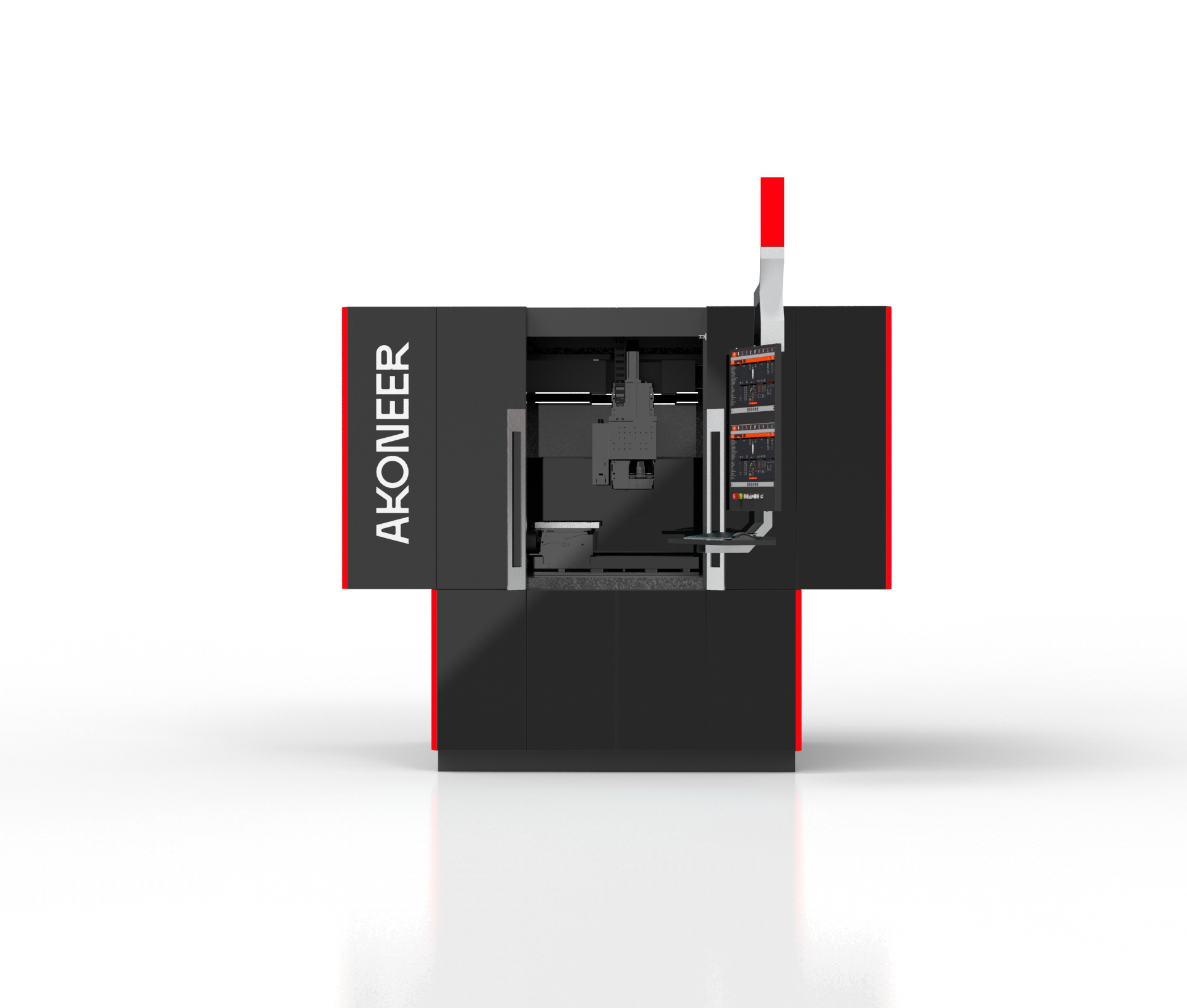
Black laser marking is a critical technology in various industries, offering unique advantages in manufacturing, electronics, and medical fields. This method uses laser beams to create permanent marks on a surface without damaging the material. It is widely appreciated for its precision, durability, and aesthetic appeal. Understanding the process and benefits of black laser marking is essential for professionals seeking effective and reliable marking solutions.
Understanding the process of black laser marking
The process of black laser marking involves using a laser to create dark marks on a substrate. Unlike other techniques that engrave or remove material, black laser marking alters the surface's color through a chemical reaction. This is commonly done on metals like stainless steel and titanium, where the laser's heat, often ranging from 2 to 6 kW, causes oxidation or carbonization, leading to a distinctive black mark. This method is useful for applications requiring high contrast and readability, such as serial numbers, logos, and QR codes.
The technology enables extremely precise and localized energy application. By controlling the laser's parameters, such as power, speed, and frequency, manufacturers achieve the desired mark quality. The process is non-contact, preserving the substrate's integrity, making it ideal for delicate materials where precision is paramount. Repeatability can be as precise as ±0.02 mm, ensuring consistent results.
Advantages of black laser marking
Black laser marking offers several advantages over traditional methods, most notably its permanence. Marks are resistant to wear, chemicals, and environmental factors, crucial for industries like automotive, aerospace, and medical devices, where components face harsh conditions. The dark marks provide excellent contrast and readability, important for barcodes and QR codes requiring high contrast for accurate scanning. The aesthetic appeal also enhances product quality.
The process is efficient and fast, capable of reaching speeds of 30 meters per minute, reducing production time and increasing throughput. It eliminates the need for additional materials like inks or labels, cutting costs and environmental impact. The process is highly automated and easily integrated into existing production lines, enhancing efficiency and productivity. A case in point is the BMW Group, which uses black laser marking to mark engine components with precision and durability, reducing maintenance costs by 15% over traditional methods.
Applications of black laser marking
Black laser marking is used across various industries due to its versatility and reliability. In the medical field, it marks surgical instruments and implants with unique identifiers, ensuring traceability and compliance with regulatory standards. The marks are biocompatible and do not affect the material's properties, making them ideal for healthcare settings.
In electronics, black laser marking is used for marking components with serial numbers, logos, and other information. Precision and clarity are essential for small parts, where space is limited. The automotive and aerospace sectors benefit from durable and legible markings for parts undergoing extreme conditions.
Furthermore, black laser marking is increasingly used in consumer goods, providing a high-quality finish for branding and personalization. From luxury watches to smartphones, the technology offers a sophisticated and permanent marking solution that enhances product value and appeal.
Challenges and considerations
Despite its advantages, there are challenges and considerations associated with black laser marking. The initial investment in laser marking equipment can be costly, but long-term savings in material and maintenance often offset this expense.
Skilled operators are needed to understand laser marking technology intricacies. Proper training ensures mark quality and consistency. Manufacturers must consider specific application requirements, such as material type and desired mark characteristics, to select the appropriate laser system.
Future trends and developments
The future of black laser marking is promising, with ongoing advancements in laser technology and materials science. Researchers explore new ways to enhance contrast and precision and expand the range of markable materials. Innovations in laser systems, such as fiber lasers, provide greater flexibility and control for more complex markings.
As industries demand high-quality and reliable marking solutions, black laser marking will play an increasingly vital role. Its ability to provide permanent, durable, and aesthetically pleasing marks makes it indispensable for manufacturers seeking to improve product quality and traceability.
Black laser marking is a powerful technology offering significant benefits across industries. Its precision, durability, and efficiency make it ideal for high-quality and permanent markings. As technology evolves, black laser marking will remain at the forefront of industrial marking solutions, meeting ever-growing demands for quality and innovation.